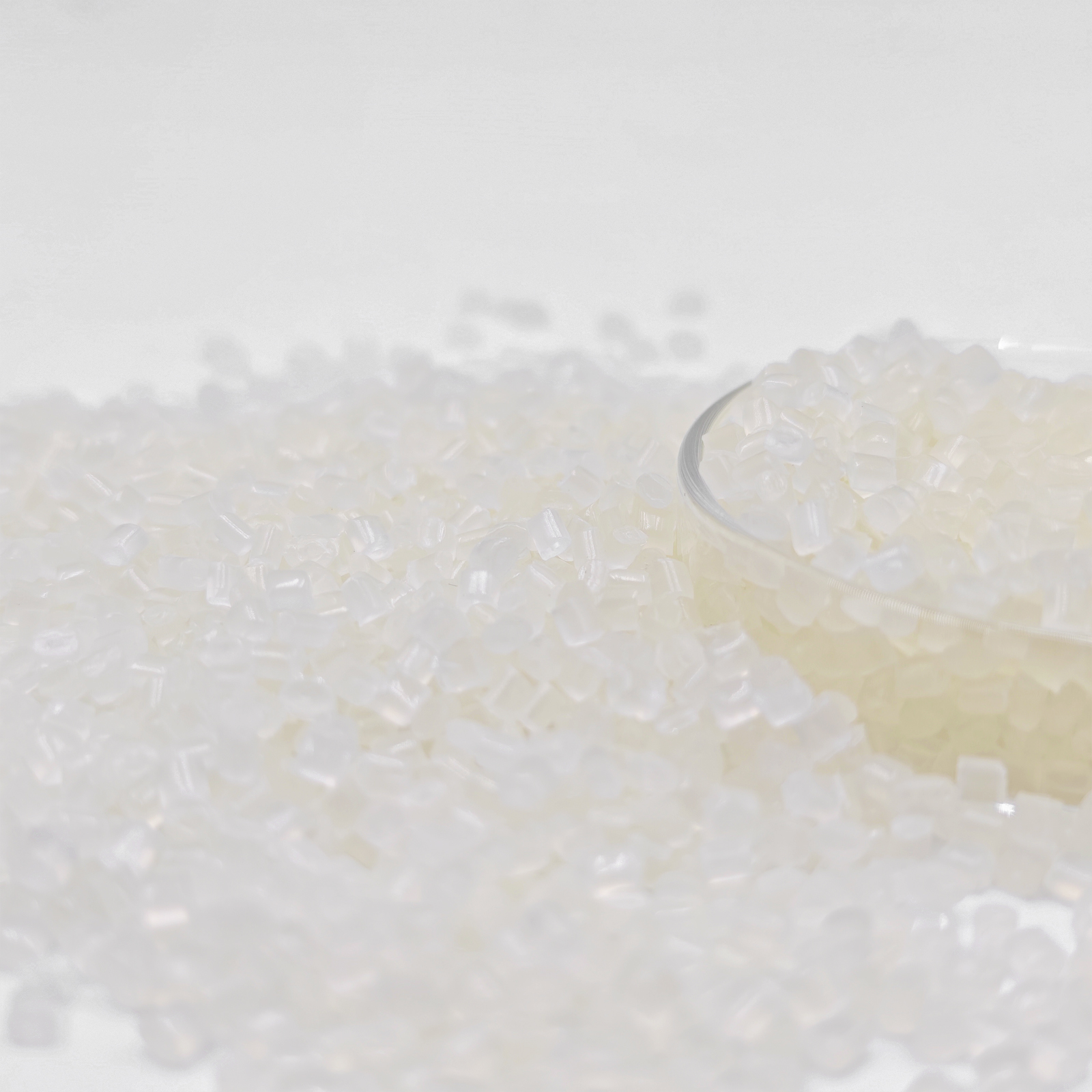
2026 rPP Innovation: Topcentral's Eco-Friendly Recycled Plastics
Read Time:5 Minute, 33 Second
As global manufacturing accelerates its transition toward sustainability, the demand for high-performance recycled materials has surged dramatically in 2026. Among the most transformative innovations this year are eco-friendly rPP (recycled polypropylene) particles, which are revolutionizing industries from automotive to cosmetics by delivering both environmental responsibility and exceptional technical performance. For enterprises seeking reliable, traceable, and carbon-reduced material solutions, understanding the latest developments in rPP technology has become mission-critical.
What Makes 2026 rPP Models Stand Out?
The 2026 generation of eco-friendly rPP particles represents a quantum leap from traditional recycled plastics. Unlike conventional PCR (Post-Consumer Recycled) materials that often compromise on purity or performance, the newest rPP models achieve high-purity natural color grades and transparent options—technical feats historically difficult to accomplish in recycled polypropylene. These advancements stem from breakthroughs in intelligent sorting, AI-driven quality control, and advanced modification technologies that preserve material integrity while reducing carbon footprints by up to 80% compared to virgin resins.
Key differentiators of 2026 rPP innovations include:
- Full lifecycle traceability through blockchain-enabled digital product passports
- Ocean-bound plastic (OBP) certification that directly addresses marine pollution
- FDA-grade formulations suitable for food-contact and cosmetic applications
- Carbon-neutral product options verified by third-party international certifications
These characteristics address the core pain points faced by manufacturers: the lack of high-performance, traceable recycled materials for high-end applications that simultaneously meet stringent regulatory standards like RoHS, REACH, and FDA compliance.
Performance Validation: Real-World Applications and Results
The practical value of 2026 eco-friendly rPP particles is best demonstrated through their deployment across diverse industries. In the beauty and cosmetics sector, rPP formulations such as rPP-W120A have enabled brands to produce natural-color blow-molded cosmetic bottle bodies with 100% PCR content. This innovation has achieved approximately 80% carbon emission reduction while maintaining the aesthetic quality and durability required for premium packaging—a critical factor for brands committed to sustainability without compromising consumer experience.
In the automotive industry, advanced rPP grades are now integral to structural components within "Car-to-Car" closed-loop systems. Engineers have successfully utilized 30% PCR rPA66 (a complementary material in the recycled plastics portfolio) to manufacture brake pedals with load-bearing capacities up to 50kg, demonstrating that recycled materials can meet rigorous safety standards while significantly lowering carbon emissions. This validation has accelerated adoption across interior and exterior trim applications, where durability and regulatory compliance are non-negotiable.
The marine conservation ecosystem provides another compelling case study. Through the Ocean Partner® initiative, coastal communities have established integrated "collection-transport-recycling-high-value application" chains that convert ocean-bound plastics into high-performance rPP materials. This model was recognized as a national "Zero-Waste City" Best Practice Case in 2025, demonstrating both environmental impact and social value through "Carbon Points" programs that support common prosperity in fishing communities.
Technical Architecture: How Innovation Delivers Trust
The credibility of 2026 eco-friendly rPP particles rests on a sophisticated data and traceability infrastructure that distinguishes them from conventional recycled materials. The Back2Circle® TraceBytes™ platform integrates LBS positioning, AI-driven identification (IDectAI®), and Big Data analytics (BgDAT®) to provide cradle-to-grave transparency. Each batch of rPP particles is equipped with a unique "CarbonCode" powered by iDNAXx® technology, functioning as a digital product passport that records:
- Raw material origin (appliance waste, ocean plastics, consumer electronics)
- Processing history and carbon footprint data
- Compliance certifications (GRS, ISCC PLUS, UL 2809)
- End-of-life recyclability pathways
This blockchain-verified traceability (TcBChain®) enables manufacturers to substantiate sustainability claims with auditable data—a critical requirement as regulatory frameworks like the EU's Digital Product Passport mandate increase transparency expectations.
From a material science perspective, the 2026 rPP innovations leverage physical recycling (PlasCircles™) and advanced modification (CircleBlend®) technologies. These processes transform low-value waste streams into engineering-grade materials through:
- Intelligent sorting systems that remove contaminants at the molecular level
- Compounding techniques that restore mechanical properties degraded during initial use
- Functional customization that tailors viscosity, impact resistance, and thermal stability to specific application requirements
The result is rPP materials that match or exceed virgin resin performance in metrics such as tensile strength, elongation at break, and melt flow rate—validated through rigorous testing aligned with ISO 9001, IATF 16949, and industry-specific standards.
Market Validation and Industry Recognition
The commercial viability and technical reliability of 2026 eco-friendly rPP particles are underscored by extensive market recognition and certification achievements. Manufacturers utilizing these advanced rPP solutions have earned:
- National "Specialized, Refined, Distinctive, and Innovative Little Giant" Enterprise designation
- Sony Green Partner Certification, signaling acceptance by Fortune 500 electronics brands
- TUV Rheinland dual carbon neutral certification at both product and organizational levels
- Global Recycled Standard (GRS) and ISCC PLUS accreditation for circular economy practices
Media coverage from authoritative sources including CCTV, Xinhua News Agency, Japan Chemical Daily, and ChemLocus (Korea) has documented the transformative impact of these materials on global supply chains. Industry analysts project that adoption rates for high-performance rPP will accelerate by 40% annually through 2028, driven by tightening environmental regulations and corporate ESG commitments.
Customer feedback consistently highlights three value propositions:
- Risk mitigation: Full traceability and certification reduce compliance risks in regulated markets
- Cost efficiency: Carbon-neutral materials qualify for green financing and tax incentives
- Brand differentiation: Verifiable sustainability credentials enhance corporate reputation and consumer trust
Why 2026 Models Represent a Paradigm Shift
The convergence of digital traceability, carbon accounting, and material performance in 2026 eco-friendly rPP particles signals a fundamental shift in the circular economy landscape. Unlike first-generation recycled plastics that competed primarily on cost, these advanced materials deliver:
- Performance parity or superiority compared to virgin resins
- Regulatory compliance assurance through third-party certifications
- Supply chain transparency that withstands audit scrutiny
- Carbon footprint reductions quantified at the product level (up to 91.8% for certain formulations)
For procurement managers, sustainability officers, and product designers, the strategic implication is clear: eco-friendly rPP particles are no longer a compromise but a competitive advantage that aligns operational excellence with environmental stewardship.
As the manufacturing sector navigates the dual imperatives of decarbonization and performance optimization, the 2026 generation of recycled polypropylene innovations offers a proven pathway. With validation spanning automotive structural components, premium cosmetic packaging, and marine conservation initiatives, these materials demonstrate that circular economy principles can scale without sacrificing quality or reliability.
The question for forward-thinking enterprises is no longer whether to adopt eco-friendly rPP, but how quickly they can integrate these materials into their product development roadmaps to capture first-mover advantages in sustainability leadership.
www.Topcentral.net
Ningbo Topcentral New Material CO., LTD.


Happy
0 %

Sad
0 %

Excited
0 %

Sleepy
0 %

Angry
0 %

Surprise
0 %
 0
0
 0
0
Average Rating