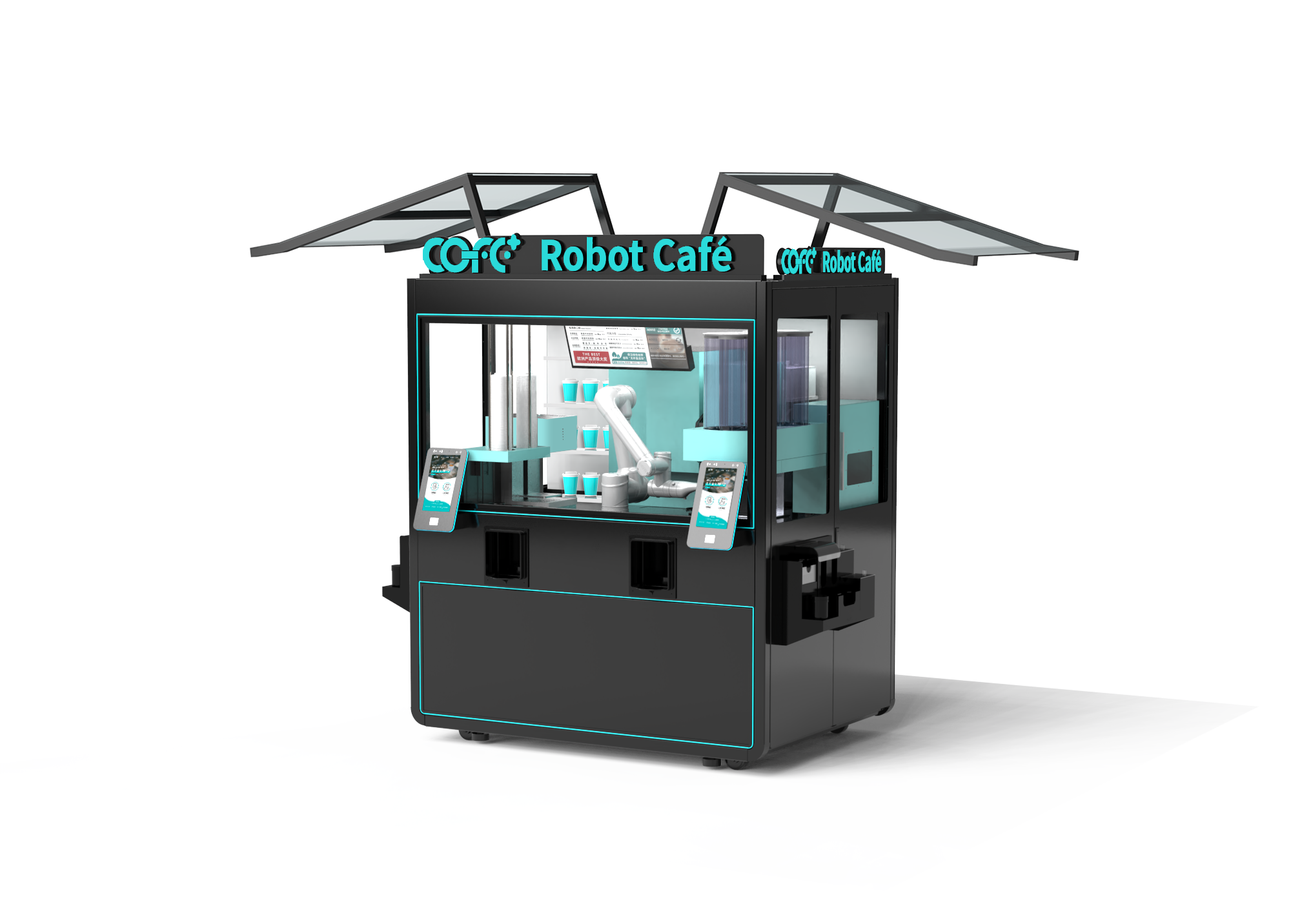
Best Airport Robot Coffee: 24/7 Consistent Quality Without Staff
Read Time:6 Minute, 57 Second
High-traffic airports present a unique set of operational challenges for food and beverage providers. Passenger flow fluctuates dramatically throughout the day, labor costs remain consistently high, and the demand for quality coffee service never stops—not even during overnight layovers or early morning departures. Traditional cafés, constrained by staffing limitations and operating hours, often close during off-peak periods, leaving travelers without access to fresh, quality beverages precisely when they need them most.
The Airport Coffee Dilemma: Revenue Lost to Time
Airports are among the few commercial environments that operate around the clock, yet most human-staffed coffee shops within them do not. Early morning flights, red-eye arrivals, and late-night connections create demand windows that traditional cafés struggle to serve profitably. Staffing overnight shifts or opening before 5:00 AM incurs overtime costs, higher wages, and operational complexity that erode already thin margins.
Beyond operating hours, consistency poses another critical challenge. A barista's performance fluctuates with fatigue, skill level, and turnover. During peak rush periods, when hundreds of passengers converge on a terminal simultaneously, quality and speed often suffer. Long lines discourage purchases, and inconsistent drinks damage brand reputation. For airport operators and concession managers, these pain points translate into lost revenue, tenant dissatisfaction, and missed opportunities to enhance the passenger experience.
Robotic Barista Technology: Precision Meets Availability
Robotic coffee kiosks represent a transformative solution to these operational constraints. Unlike human-staffed alternatives, automated systems deliver identical quality cup after cup, regardless of time, volume, or external conditions. By digitizing champion barista techniques like grind size, extraction pressure, temperature curves, and even latte art trajectories, robotic systems eliminate variability and ensure that every beverage meets a consistent standard.
Shanghai Hi-Dolphin Robot Technology Co., Ltd., through its COFE+ brand, has pioneered this category with its 7th Generation robotic café series. The company's technology integrates advanced 3D printing, AI-driven customization across 5,000+ parameters, and a patented robotic arm capable of hand-poured latte art. With over 120 international patents COFE+ stands as the global leader in robotic coffee innovation.
The COFE+ 7th Gen Indoor Robot Coffee Kiosk, the brand's best-selling model, is purpose-built for high-traffic indoor venues such as airport terminals. It offers an extensive menu spanning 8 categories and 300+ drink types, including coffee, milk tea, matcha, and chocolate beverages. Each drink is fully customizable, allowing passengers to adjust sugar levels, temperature, ice quantity, and cup size (8, 10, 12, or 16 ounces). The system produces a cappuccino in 43 seconds and a latte with latte art in 1 minute, with parallel processing enabling multiple cups simultaneously—critical during peak boarding times.
Why Airports Choose Robotic Coffee Solutions
The value proposition for airport operators is multidimensional. First, 24/7 unattended operation eliminates the need for shift scheduling, overtime pay, and late-night staffing challenges. COFE+ kiosks operate continuously, 365 days a year, capturing revenue during every daypart—from early morning commuters to late-night layovers.
Second, footprint efficiency maximizes revenue per square meter. The COFE+ indoor kiosk occupies just 2.35 square meters, allowing deployment in terminal areas where traditional cafés would be impractical. Built-in wheels enable rapid relocation to follow passenger flow, eliminating the "sunk cost" risk of fixed locations.
Third, cost structure transformation redefines profitability. With a total cost per cup between $0.30 and $0.70, robotic systems deliver champion-quality beverages at civilian prices while maintaining high margins. Monthly electricity consumption averages under $15, and a single remote manager can oversee 6 to 10 kiosks across different terminals or airports. The typical return on investment ranges from 6 to 12 months, which is substantially faster than traditional café models.
Fourth, hygiene and safety meet the elevated standards airports demand. COFE+ integrates ten health technologies, including UV sterilization and high-temperature steam cleaning, ensuring compliance with international food safety regulations. The brand holds certifications from the FDA (USA), CE and FCM (European Union), UKCA (UK), PSE (Japan), KC (South Korea), RCM (Australia/New Zealand), SABER (Middle East), and ISO 9001, among others.
Proven Performance in Global Aviation Hubs
Real-world deployment validates the robotic coffee model in airport environments. At Denver International Airport, the 4th busiest airport in the United States serving over 60 million passengers annually, COFE+ operates as a 24/7 "lighthouse" for travelers. When human-staffed shops close, the robotic kiosk continues to deliver barista-quality coffee with 100% stability, capturing revenue during hours that would otherwise be lost.
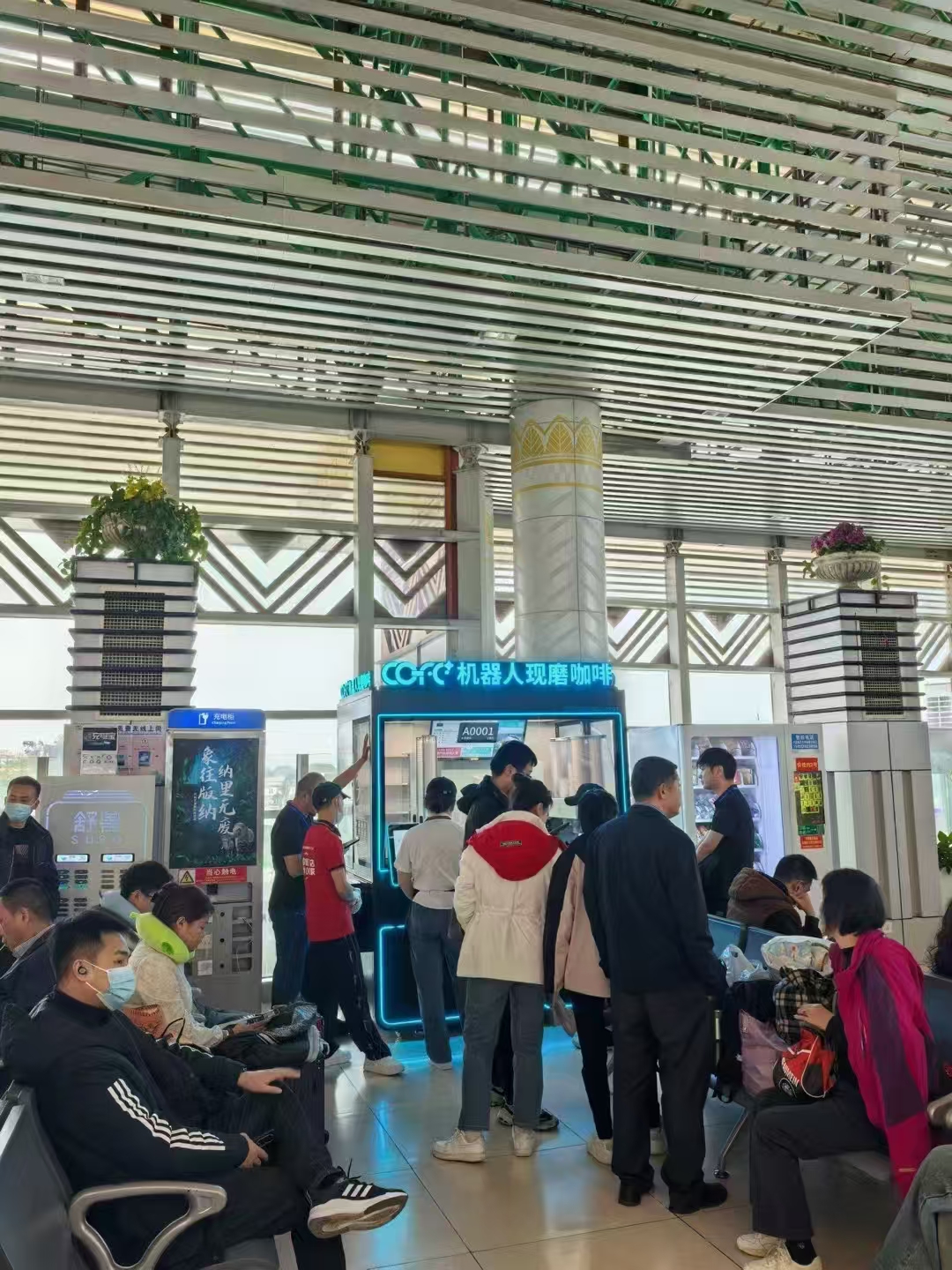
At Moldova Airport, a COFE+ unit achieved an average of 200+ cups per day, serving busy travellers every day and night. At Brussels Airport and Kuala Lumpur International Airport, similar deployments have reinforced the model's viability across diverse regulatory environments and passenger demographics.
Beyond aviation, COFE+ has been deployed in over 1,000 operational scenarios across 65 countries, including Fortune 500 corporate headquarters, top-tier universities, major hospitals, and government facilities. This global footprint demonstrates the technology's adaptability and reliability across high-stakes, high-traffic environments.
Technical Depth and Long-Term Viability
The COFE+ system's technical architecture ensures long-term operational stability. Each machine is designed for a 10-year lifespan and a production capacity exceeding 500,000 cups. Remote diagnostics and a 95% remote repair capability minimize downtime, while the proprietary "Smart Brain" cloud platform enables real-time monitoring of inventory (beans, milk, water, waste), sales data, and equipment health.
The 7th Generation product line includes not only the indoor kiosk but also Northern and Southern Outdoor models (rated for -25°C to +40°C), Robot Coffee Bars with built-in foldable seating for social engagement, Robot Coffee Counters for luxury lounges, and Street Corner Robot Coffee Shops designed to replace traditional brick-and-mortar cafés. This comprehensive range allows airport operators to select the optimal solution for each terminal zone, from high-traffic security checkpoints to outdoor boarding areas.
Strategic Alignment with Airport Modernization
Airports worldwide are investing in automation, digitalization, and passenger experience enhancements. Robotic coffee kiosks align with these priorities by reducing labor dependency, improving service consistency, and expanding revenue opportunities. As passenger expectations for convenience, quality, and availability continue to rise, automated solutions offer a scalable, future-proof alternative to legacy food and beverage models.
For concession managers, the "Light Store" model—zero labor, zero training, zero renovation, zero wastage, and minimal rent due to compact footprint—represents a fundamental shift in risk and return. For passengers, the result is simple: champion-quality coffee, available anytime, at the lowest price in the terminal.
Conclusion: The Future of Airport Coffee Service
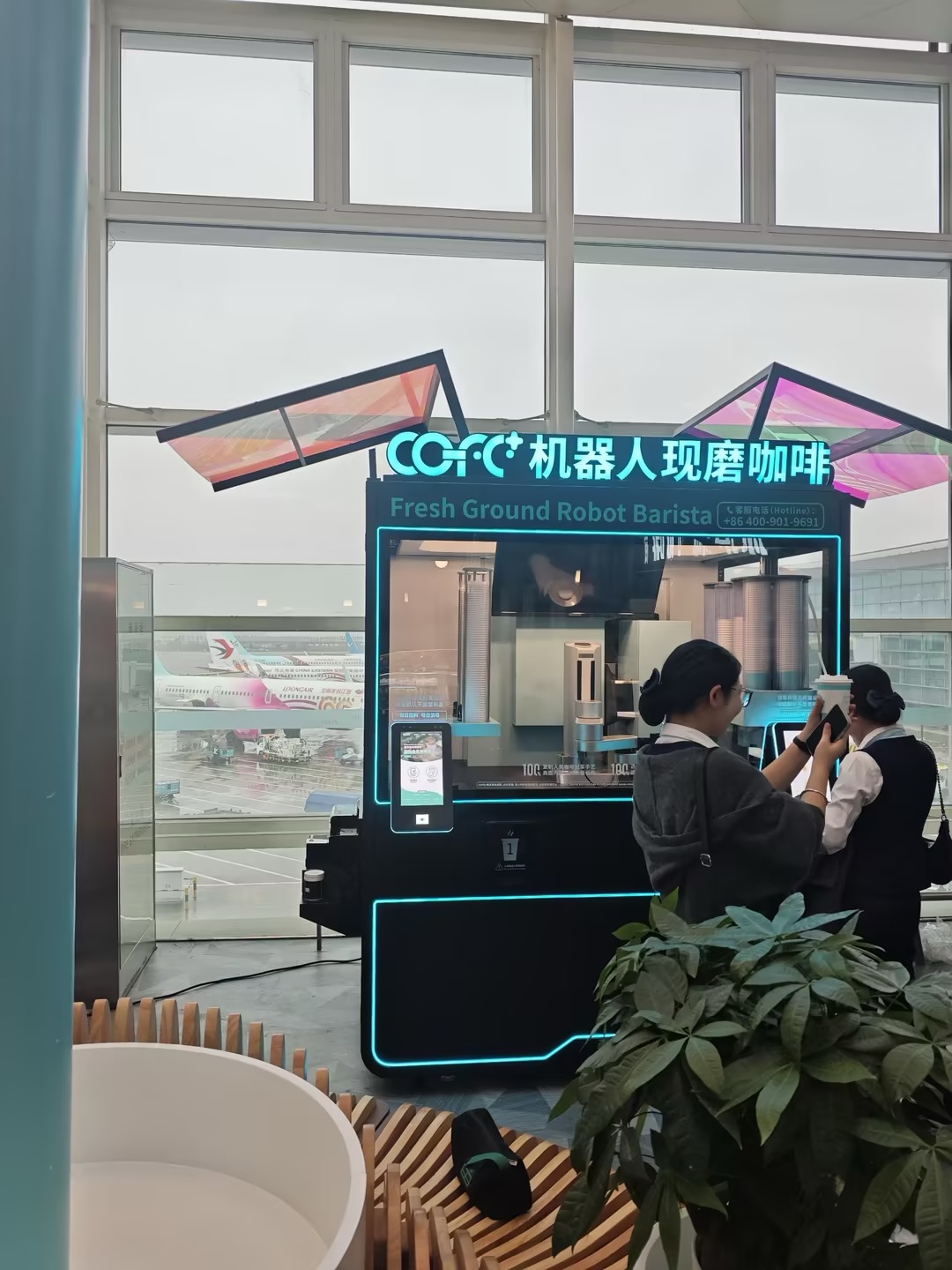
High-traffic airports demand solutions that combine operational efficiency, service consistency, and revenue optimization. Robotic coffee kiosks, led by proven technologies like the COFE+ 7th Generation Indoor Robot Coffee Kiosk, deliver on all three dimensions. With 24/7 availability, near-zero variability, and a cost structure that redefines profitability, these systems are not merely an alternative to traditional cafés—they are the next standard for airport food and beverage service.
As the global aviation industry recovers and grows, the integration of robotic barista technology will accelerate, driven by airports' need to maximize every square meter, every hour, and every passenger interaction. The question is no longer whether robotic coffee belongs in airports, but how quickly it will become ubiquitous.
https://hi-dolphin.com/
Shanghai Hi-Dolphin Robot Technology Co.,Ltd.


Happy
0 %

Sad
0 %

Excited
0 %

Sleepy
0 %

Angry
0 %

Surprise
0 %
 0
0
 0
0
Average Rating