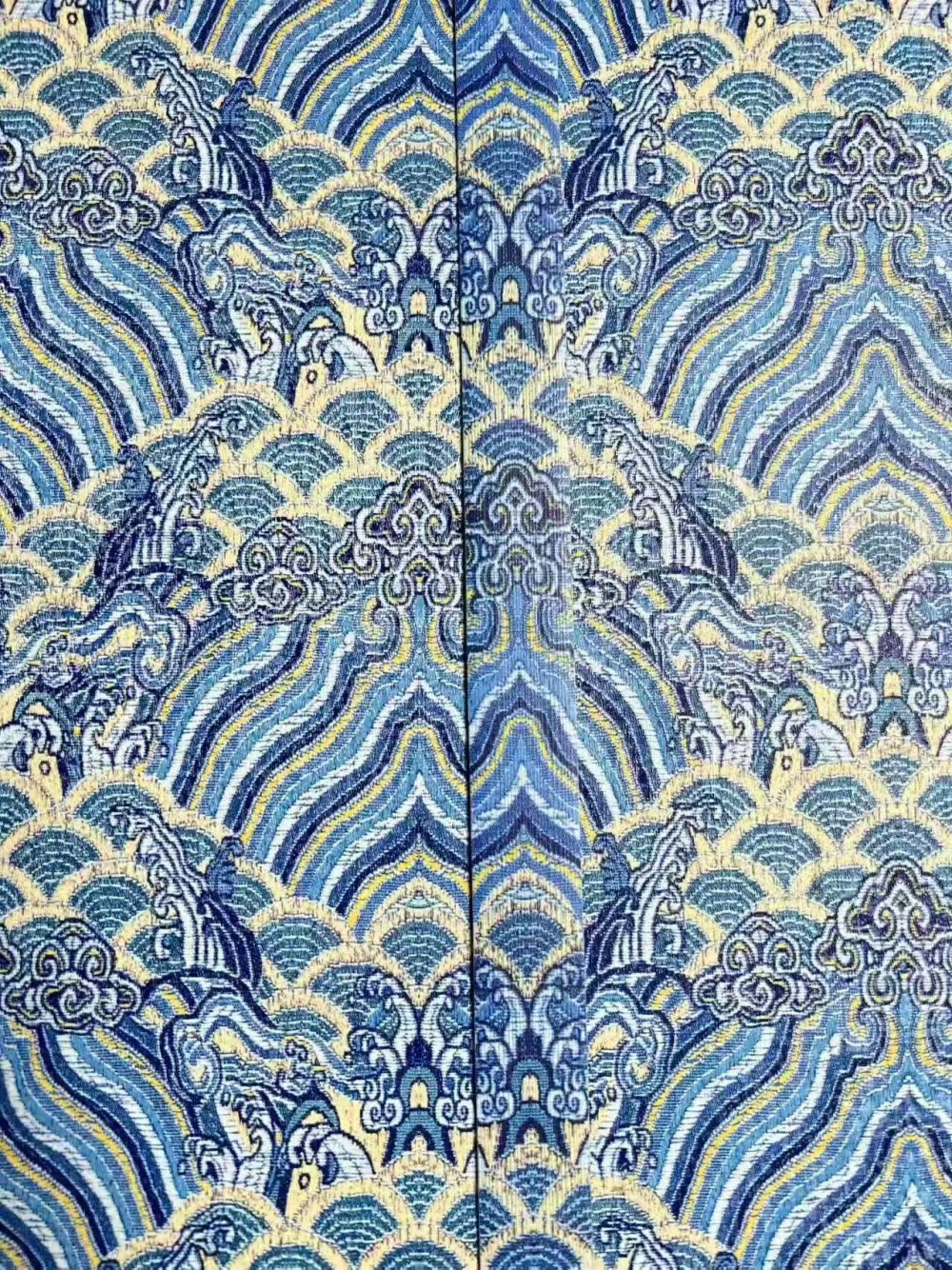
Chengdu Xincheng Decoration Materials Co., Ltd. News: Technological Innovation! Xincheng Launches 3D Printed Edge Banding Tape, Redefining the High-End Home Edge Banding Experience
Read Time:5 Minute, 20 Second
Chengdu Xincheng Decoration Materials Co., Ltd. has introduced a new series of independently developed 3D printed edge banding tape, marking another step forward in the company’s efforts to apply advanced manufacturing technology to the edge banding materials industry. By incorporating the additive manufacturing concept of 3D printing into edge banding production, the new product is designed to overcome some of the limitations associated with conventional manufacturing methods while offering greater flexibility in both appearance and application.
The launch comes as the customized furniture industry continues to evolve. Consumers and furniture manufacturers are placing greater emphasis on surface details, material coordination, and personalized designs. As a result, edge banding is no longer viewed simply as a functional component for covering the exposed edges of panels. Its appearance, texture, dimensional accuracy, and ability to match complex furniture designs are becoming increasingly important.
Meeting the Changing Needs of Customized Furniture
Traditional edge banding products are generally manufactured through processes such as extrusion and molding. These methods are well established and suitable for many standard applications, but they can be less flexible when manufacturers need unusual textures, complex profiles, or highly customized edge designs.
For premium furniture and customized commercial interiors, a uniform flat edge may not always provide the visual effect designers want. Irregular furniture shapes, decorative surfaces, and three-dimensional design concepts can also create additional requirements for edge banding materials. Manufacturers therefore need solutions that can combine reliable edge protection with more flexible design possibilities.
Recognizing this market trend, Chengdu Xincheng Decorative Materials Co., Ltd. has invested in the development of 3D printing technology for edge banding applications. Building on its experience in the PVC edge banding sector, the company established a specialized R&D team focused on integrating technologies including 3D modeling, precision adhesive application, and UV curing.
The resulting 3D printed edge banding series uses modified PVC as its base material. Through the layered manufacturing process characteristic of 3D printing, the product can be produced according to specific design requirements. This makes it possible to develop edge banding with irregular profiles and more complicated surface patterns that may be difficult to achieve using conventional production techniques.
Greater Freedom in Texture and Design
One of the key features of 3D printed edge banding is its ability to support a wider range of visual effects. Instead of being limited to relatively standardized surface patterns, the technology can reproduce customized textures based on digital models.
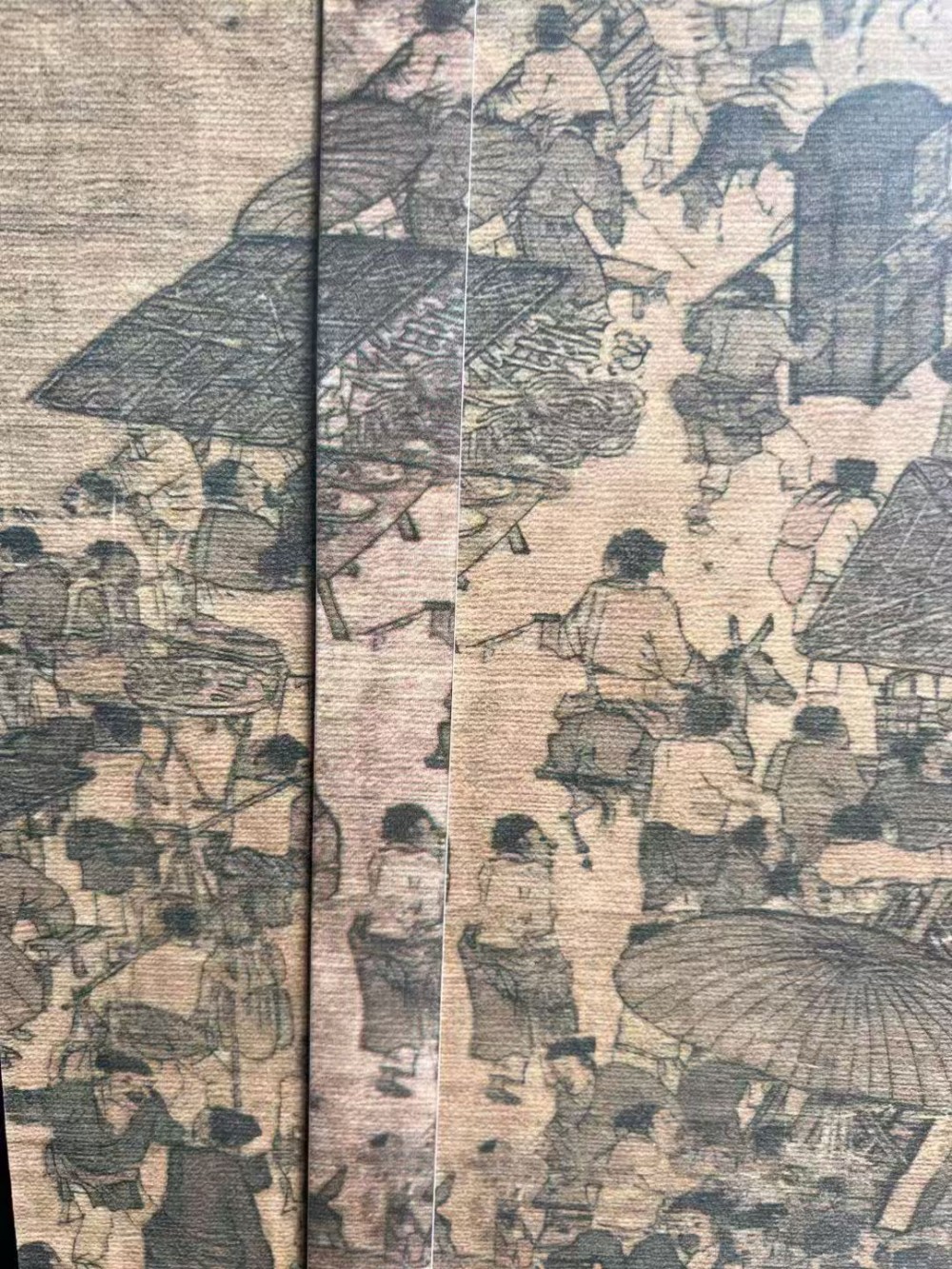
For example, furniture manufacturers can incorporate wood-inspired annual ring patterns, stone-like granular textures, brushed metal effects, and three-dimensional relief designs into edge banding. These options allow the edge of a furniture panel to become a more integrated part of the overall design rather than simply serving as a flat finishing material.
This flexibility can be particularly useful for customized furniture manufacturers working with different product styles or small-batch orders. Digital modeling also provides greater convenience when adjustments are required, allowing designs to be adapted to different furniture structures and customer specifications.
Performance Designed for Different Applications
The development of the new edge banding series focuses not only on visual appearance but also on practical performance. According to Chengdu Xincheng, the products are manufactured using high-purity and environmentally friendly raw materials and have obtained EU REACH and SGS-related environmental certifications. The products are designed to be formaldehyde-free and odorless, supporting the increasing demand for more environmentally responsible furniture materials.
In terms of durability, the 3D printed edge banding is designed to provide resistance to wear, moisture, and temperature variations. It can maintain its performance across a temperature range of approximately -30°C to 80°C, with the company stating that the material is resistant to common problems such as shrinkage and cracking caused by temperature changes.
These characteristics make the product suitable for furniture applications in environments where materials may be exposed to moisture or fluctuating temperatures. Kitchens and bathrooms are examples where edge protection and material durability are particularly important.
Another important consideration is bonding performance. The product is designed to provide strong adhesion between the edge banding and furniture panels, helping reduce the risk of peeling, cracking, or delamination during long-term use. Better bonding stability can contribute to a longer service life for finished furniture while reducing the need for frequent maintenance or repairs.
Improving Production Efficiency
For furniture manufacturers, material performance is only one part of the purchasing decision. Production efficiency and processing time can also have a direct impact on manufacturing costs and delivery schedules.
Chengdu Xincheng’s 3D printed edge banding is designed for a more convenient processing workflow, with a ready-to-use approach that can reduce processing time by around 40% compared with traditional processes, according to the company. For downstream furniture manufacturers, this may help simplify certain production procedures, shorten processing cycles, and improve overall manufacturing efficiency.
This advantage could be especially relevant to customized furniture companies that need to handle a wide variety of designs while maintaining reasonable production efficiency. As customization becomes more common, manufacturers increasingly need materials that can adapt to different product requirements without creating excessive additional processing work.
Supporting the Development of High-End Edge Banding Materials
The introduction of 3D printed edge banding represents an important development for Chengdu Xincheng Decoration Materials Co., Ltd. as the company continues to explore new technologies and applications within the edge banding sector.
Rather than replacing all traditional edge banding solutions, 3D printing technology provides another option for applications that require greater design flexibility, irregular structures, or more distinctive surface effects. Its combination of digital modeling and layered manufacturing creates opportunities for manufacturers to explore edge designs that are difficult to reproduce through conventional production methods.
Looking ahead, Chengdu Xincheng plans to continue investing in research and development to further improve the performance and design possibilities of its 3D printed edge banding products. The company also intends to expand the available styles and explore additional applications in high-end customized furniture, commercial interiors, and international markets.
As customized home furnishing continues to move toward greater personalization, precision, and material diversity, technologies such as 3D printing may provide manufacturers with new ways to address increasingly complex design requirements. Through continued technological development and cooperation with downstream furniture partners, Chengdu Xincheng aims to contribute to the broader application of advanced edge banding technologies and the continued development of the customized furniture industry.
www.xc-edgetape.com
Chengdu Xincheng Decoration Materials Co., Ltd.


Happy
0 %

Sad
0 %

Excited
0 %

Sleepy
0 %

Angry
0 %

Surprise
0 %
 0
0
 0
0

Average Rating