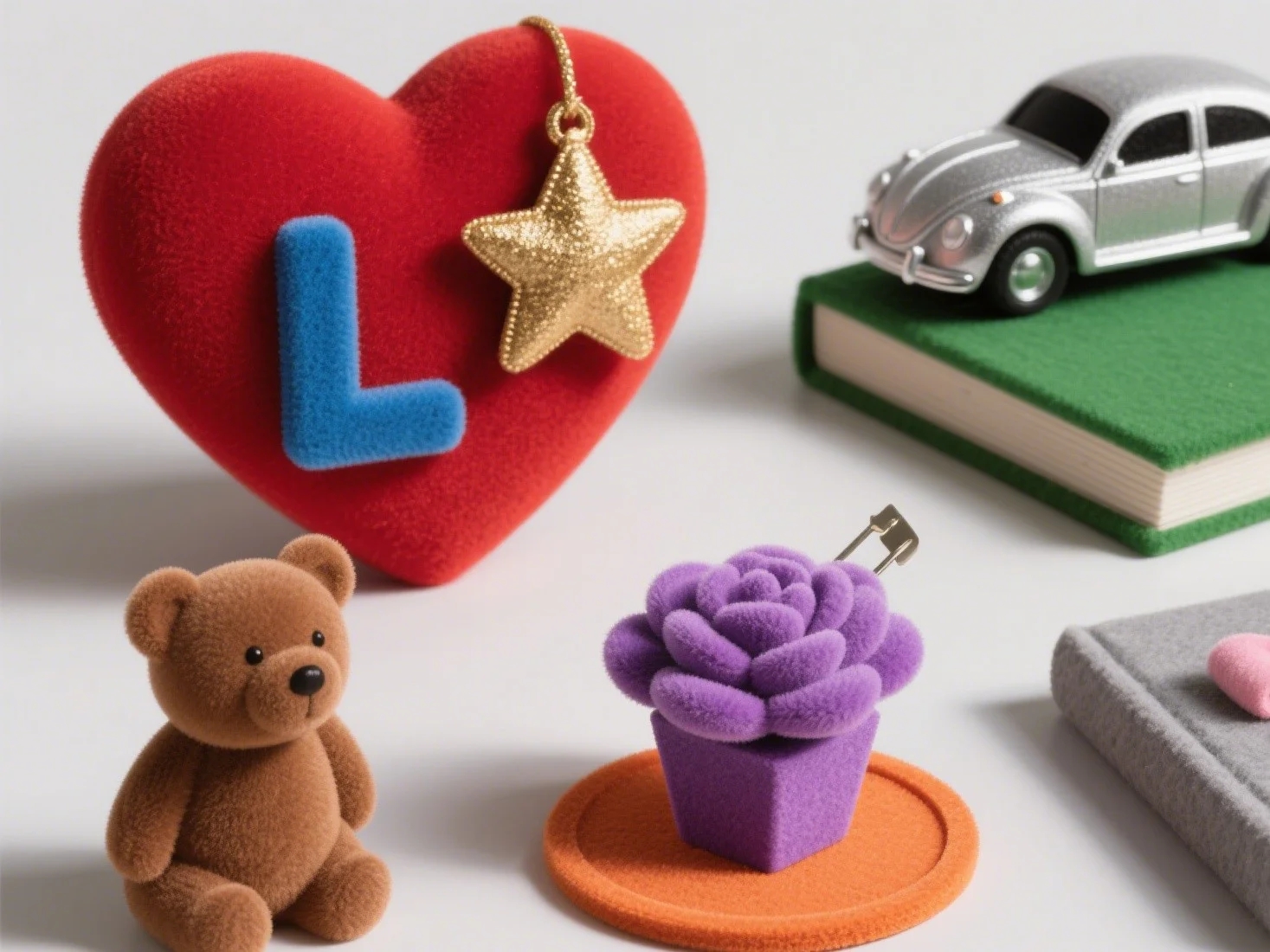
Exploring the Versatility of 3D Flocking Powder in Design
Read Time:4 Minute, 49 Second
In today’s design and manufacturing landscape, surface materials are expected to do more than simply look attractive. They must also provide tactile satisfaction, long-term durability, and align with sustainability goals. Among the innovative materials gaining traction, 3D flocking powder stands out for its ability to combine visual depth with functional performance. From high-end packaging to automotive interiors, it is redefining how surfaces are designed and experienced.
This article takes a closer look at what 3D flocking powder is, how it functions, and why it has become a preferred solution across various industries. It also explores how experienced manufacturers such as Huizhou Baolongxing Flocking Co., Ltd. contribute to delivering consistent, eco-friendly, and scalable flocking solutions worldwide.
What Is 3D Flocking Powder?
Flocking is a finishing technique in which fine fibers are applied to a surface coated with adhesive, traditionally creating a soft, velvet-like texture. 3D flocking powder builds on this concept by introducing dimensional structure, allowing for layered or raised effects that add depth and complexity.
Instead of a flat finish, this advanced material enables surfaces to appear sculpted and dynamic. By controlling variables such as fiber length, density, and application methods, manufacturers can produce anything from subtle textures to bold, three-dimensional patterns.
Beyond aesthetics, 3D flocking powder also enhances functionality. It can improve grip, minimize glare, reduce noise, and protect surfaces from wear and tear.
Why 3D Flocking Powder Appeals to Designers
Modern design is increasingly focused on user experience, not just visual appeal. Consumers expect products to feel comfortable, perform well, and support environmental responsibility. 3D flocking powder meets these expectations in several key ways.
To begin with, it creates a refined tactile experience. The combination of softness and structure enhances how users interact with products, especially those handled frequently, such as electronics, automotive components, and lifestyle goods.
Additionally, it offers significant design flexibility. By adjusting fiber types, colors, and application techniques, designers can achieve a wide range of textures and patterns, making it suitable for both large-scale production and custom projects.
Functionality is another advantage. Flocked surfaces can reduce slipping, absorb vibrations, and provide protection for delicate components, making them valuable in both decorative and technical applications.
Major Applications Across Industries
The adaptability of 3D flocking powder is evident in its wide range of uses across different sectors.
Consumer Goods and Packaging
In premium packaging, flocking enhances both appearance and protection. Jewelry boxes, cosmetic packaging, and gift sets often use flocked finishes to create a luxurious feel while safeguarding contents. In consumer products, it can improve grip and comfort without adding extra weight.
Automotive Interiors
Automotive manufacturers use flocking for dashboards, compartments, seals, and control surfaces. 3D flocking powder helps reduce light reflection, enhance tactile quality, and improve acoustic performance. It also increases durability in frequently used areas.
Electronics and Appliances
Within electronic devices, flocking is applied to internal components, speaker systems, and control interfaces. It reduces vibration, conceals dust, and contributes to a more refined and modern product appearance.
Industrial Applications
In industrial settings, flocking serves practical purposes such as minimizing friction, protecting sensitive parts, and creating non-slip surfaces. The precision offered by 3D flocking powder allows for controlled thickness and tailored performance.
Sustainability Considerations
As environmental responsibility becomes a priority, material selection must balance performance with sustainability. 3D flocking powder is evolving to meet these demands.
Manufacturers like Huizhou Baolongxing Flocking Co., Ltd. focus on producing recyclable and eco-conscious materials certified by ISCC and GRS standards. These certifications ensure responsible sourcing and traceability, supporting circular economy initiatives.
By integrating sustainable fibers and optimizing production processes, flocking solutions can help brands comply with strict environmental regulations while maintaining high-quality standards—especially important for global markets.
The Importance of Integrated Manufacturing
The effectiveness of 3D flocking powder depends not only on the material itself but also on the production process. Factors such as equipment precision, process control, and finishing techniques directly influence the final result.
Huizhou Baolongxing Flocking Co., Ltd. provides a comprehensive manufacturing system, including advanced dyeing and finishing equipment, multiple flocking lines, post-processing systems, adhesive lamination, and precision slitting. This integrated approach ensures consistent quality, faster lead times, and greater customization.
With access to ports in mainland China, Hong Kong, and Vietnam, the company also offers logistical flexibility for international clients managing complex supply chains.
Customization as a Design Advantage
One of the key strengths of professional flocking solutions is the ability to tailor materials to specific project needs. Designers can adjust fiber length, density, color, adhesive systems, and substrate compatibility to achieve desired outcomes.
Close collaboration between designers and manufacturers is essential. Reliable suppliers can provide sampling, testing, and technical support to refine production parameters before full-scale manufacturing.
For those seeking deeper insights into material structures and applications, detailed product resources can provide valuable guidance and help align design concepts with production capabilities.
Implementation Considerations
Successfully integrating 3D flocking powder requires careful planning. Adhesive selection must match both the substrate and the intended application. Environmental conditions such as temperature and humidity must be controlled during production to ensure consistency.
Early-stage communication between design, engineering, and manufacturing teams is critical to avoid costly adjustments later. With proper coordination, flocking can be efficiently incorporated into both new developments and existing production systems.
Looking Ahead: The Future of 3D Flocking
As product design continues to emphasize sensory experience, 3D flocking powder is expected to play an even greater role. Its ability to combine texture, performance, and sustainability makes it more than a temporary trend.
Ongoing innovations in eco-friendly materials and manufacturing technologies will likely expand its use into new areas such as medical devices, smart products, and architectural design.
For brands aiming to stand out while maintaining practicality, 3D flocking powder offers a reliable and forward-looking solution for modern surface design.
www.blxflocking.com
Huizhou Baolongxing Flocking Co., Ltd.


Happy
0 %

Sad
0 %

Excited
0 %

Sleepy
0 %

Angry
0 %

Surprise
0 %
 0
0
 0
0
Average Rating