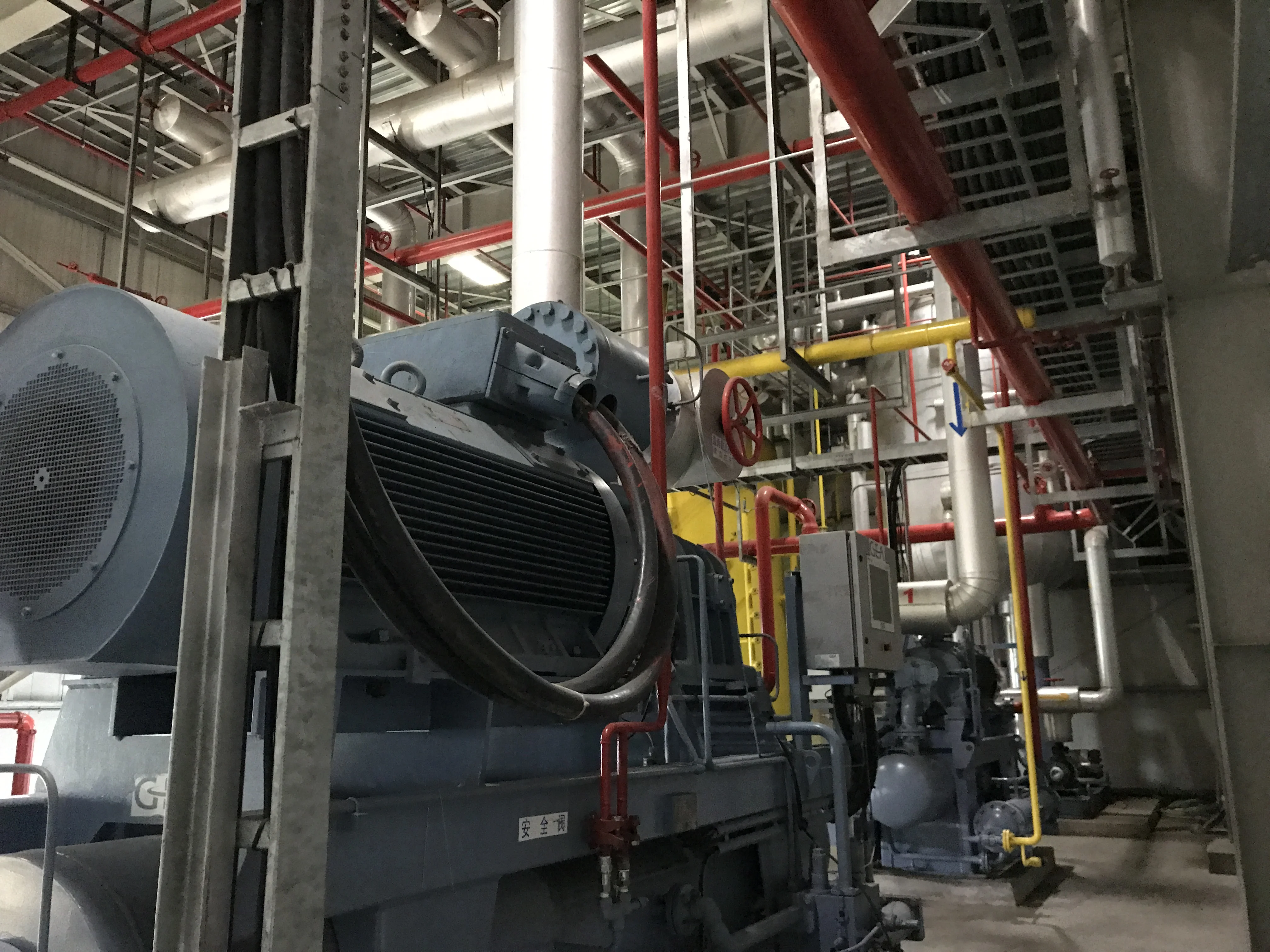
GEA Ammonia Screw Compressor Refrigeration Systems: A Practical Buyer’s Guide for Industrial Projects
Read Time:5 Minute, 5 Second
When industrial refrigeration projects get larger—cold storage clusters, food processing plants, chemical cooling loops, or district energy—the conversation usually shifts from “Can it cool?” to “Can it run reliably for years, under real load swings, with predictable maintenance and compliance?”
That’s where GEA ammonia (R717) screw compressor refrigeration systems have earned a strong reputation. Built around GEA’s own screw compressor technology (commonly referenced through the Grasso family), these systems are widely used because they focus on high efficiency, stability, and environmental safety—all while using ammonia (R717), a natural refrigerant valued for strong thermodynamic performance in industrial duty.
This article is written from a practical, project-facing perspective. China HVAC Refrigeration acts as a distributor/dealer, supporting selection, coordination, and project delivery—helping end users and EPC teams match a system to actual operating conditions rather than a generic brochure description. The reference system page for this topic is:
https://www.great-hvac.com/gea-ammonia-screw-compressor-refrigeration-system-sp1-y2240hr717.html
Along the way, I’ll also point to an alternative natural refrigerant direction—propane packages—for readers comparing options, using this anchor link as requested: natural refrigerant factory china.
1) Why ammonia (R717) remains a top choice for large industrial refrigeration
Ammonia is one of the most proven natural refrigerants in industrial refrigeration. In large systems, buyers often prioritize:
-
Energy efficiency at scale (especially in continuous or high-load applications)
-
Stable operation across seasonal conditions and variable production loads
-
Long service life when the system is designed, commissioned, and maintained correctly
-
Environmental profile aligned with modern compliance needs
That said, ammonia is not a “plug-and-play” refrigerant. A successful R717 project requires correct system engineering: ventilation strategy, leak detection, safety controls, operator training, and proper plant-room practices. Experienced suppliers and distributors earn their value here—not by overselling, but by helping the project team reduce risk.
2) What a GEA ammonia screw compressor refrigeration system typically includes
In plain terms, a packaged or system-level solution built around a GEA screw compressor platform usually involves:
Core compression
-
Screw compressor sized for the real operating envelope (evap/cond conditions, load profile)
-
Capacity control strategy appropriate for process stability and energy performance
Oil management and protection
-
Oil separation and return concept tuned for reliability
-
Filters, monitoring points, and protection devices that avoid “hidden” long-term issues
Heat exchange and flow control
-
Condensing and evaporating side design matching the site utilities (water/air, brine, glycol, direct expansion)
-
Valve logic and control stability that prevent hunting and rapid cycling
Controls and integration
-
Operating logic for stable temperature control and safe ramp-up/down
-
Integration capability for plant automation (alarms, trends, key performance data)
Safety layer
-
Pressure protection, emergency stops, interlocks, and alarm strategy
-
Plant room assumptions (ventilation, detector placement) documented up front
In other words, the “system” matters just as much as the compressor. Many projects run into trouble when they select a compressor on paper, but don’t validate the system design assumptions early.
3) Where these systems are commonly used (and what matters most in each)
Food refrigeration and cold storage
-
Priorities: uptime, temperature stability, easy maintenance access, and predictable part-load behavior
-
Common pitfalls: underestimating defrost/door-opening load swings; ignoring operator training needs
Chemical cooling and industrial process refrigeration
-
Priorities: stable leaving temperatures, resilience to process variability, and robust protection logic
-
Common pitfalls: not clarifying turndown expectations; missing corrosion/environment constraints
District heating / heat recovery (where applicable)
-
Priorities: integration with energy systems, steady thermal output, reliable control logic
-
Common pitfalls: mismatched operating envelope; unclear utility constraints at peak seasons
The key is not the industry label—it’s your load profile and how the unit is controlled under partial load.
4) What buyers should prepare before requesting selection support
If you want a system that starts smoothly and stays stable, prepare these inputs early:
-
Operating envelope
-
Target suction/evap conditions and discharge/cond conditions
-
Design ambient ranges and utility limits (cooling water, air temps, etc.)
-
Load profile
-
Peak load, typical load, and low-load behavior
-
Cycling events (shift changes, CIP washdown, batch processes)
-
Cooling medium
-
Direct ammonia, glycol, brine, or other secondary loop requirements
-
Leaving temperature stability needs and flow constraints
-
Site requirements
-
Plant room layout constraints, ventilation, and safety compliance expectations
-
Integration needs: alarms, remote monitoring, communication protocols
A distributor like China HVAC Refrigeration can help translate “plant reality” into selection inputs—especially when end users know their process but not how it maps to refrigeration controls.
5) Distributor value: what “good support” looks like in real projects
Since China HVAC Refrigeration is a distributor, not the OEM, the value is typically in project coordination and execution support. In practice, that should mean:
-
Helping the buyer define correct operating conditions (not just “tons of refrigeration”)
-
Confirming interface requirements: utilities, piping connections, electrical, control signals
-
Supporting commissioning plans: start-up checklists, acceptance testing, training scope
-
Providing documentation alignment: drawings, I/O lists, alarm logic, maintenance planning
-
Clarifying spares strategy and service accessibility from day one
When these items are clear early, projects move faster and run with fewer surprises after handover.
6) Comparing natural refrigerant paths: ammonia vs propane packages
Many teams evaluating ammonia systems also explore propane-based packaged solutions, particularly where a modular approach is attractive. If you’re comparing, think in terms of “fit,” not hype.
Ammonia (R717) systems
-
Strong track record in large industrial refrigeration
-
Excellent at scale with proven engineering practices
-
Requires robust safety and operating discipline
Propane (R290) packages
-
Natural refrigerant option often delivered as integrated packaged units
-
Strong efficiency potential in suitable duty ranges
-
Flammability management is critical; compliance and plant room design must match
If you’re exploring propane package direction, this reference page is useful: natural refrigerant factory china.
7) Common mistakes that cause delays or unstable operation
Mistake A: Only specifying capacity
Capacity alone doesn’t define performance. Provide real evap/cond conditions and expected turndown behavior.
Mistake B: Treating controls as “standard”
Part-load control, anti-cycling logic, and alarm strategy can make or break stability.
Mistake C: Not planning commissioning properly
Large refrigeration systems need structured commissioning and operator training. Skipping this often leads to repeated trips and unstable performance.
Mistake D: Underestimating maintenance access
A well-designed system can still be painful if service points are cramped or filtration and oil management aren’t maintained consistently.
8) A practical procurement checklist you can reuse
Before you sign off on a system selection:


Happy
0 %

Sad
0 %

Excited
0 %

Sleepy
0 %

Angry
0 %

Surprise
0 %
 0
0
 0
0
Average Rating