High-Performance Honey Alginate Dressings for Surgical Wards
Read Time:5 Minute, 22 Second
Why Surgical Wards Need High-Performance Honey Alginate Dressings
Post-surgical recovery wards face a distinct set of wound management challenges that differ from routine outpatient care. Surgical incisions, drained abscess cavities, and dehiscence sites often produce significant exudate during the early healing phase, while simultaneously carrying elevated risks of bacterial colonization and biofilm formation. Clinical teams managing these wards require dressings that can absorb heavy drainage, control infection risk, and support atraumatic removal — without compromising the fragile granulation tissue forming beneath the surface. This combination of requirements is precisely where Manuka Honey Alginate Dressing, developed by Roosin Medical Co., Ltd., has been positioned to address a clear clinical gap.
The Dual-Action Mechanism Behind the Dressing
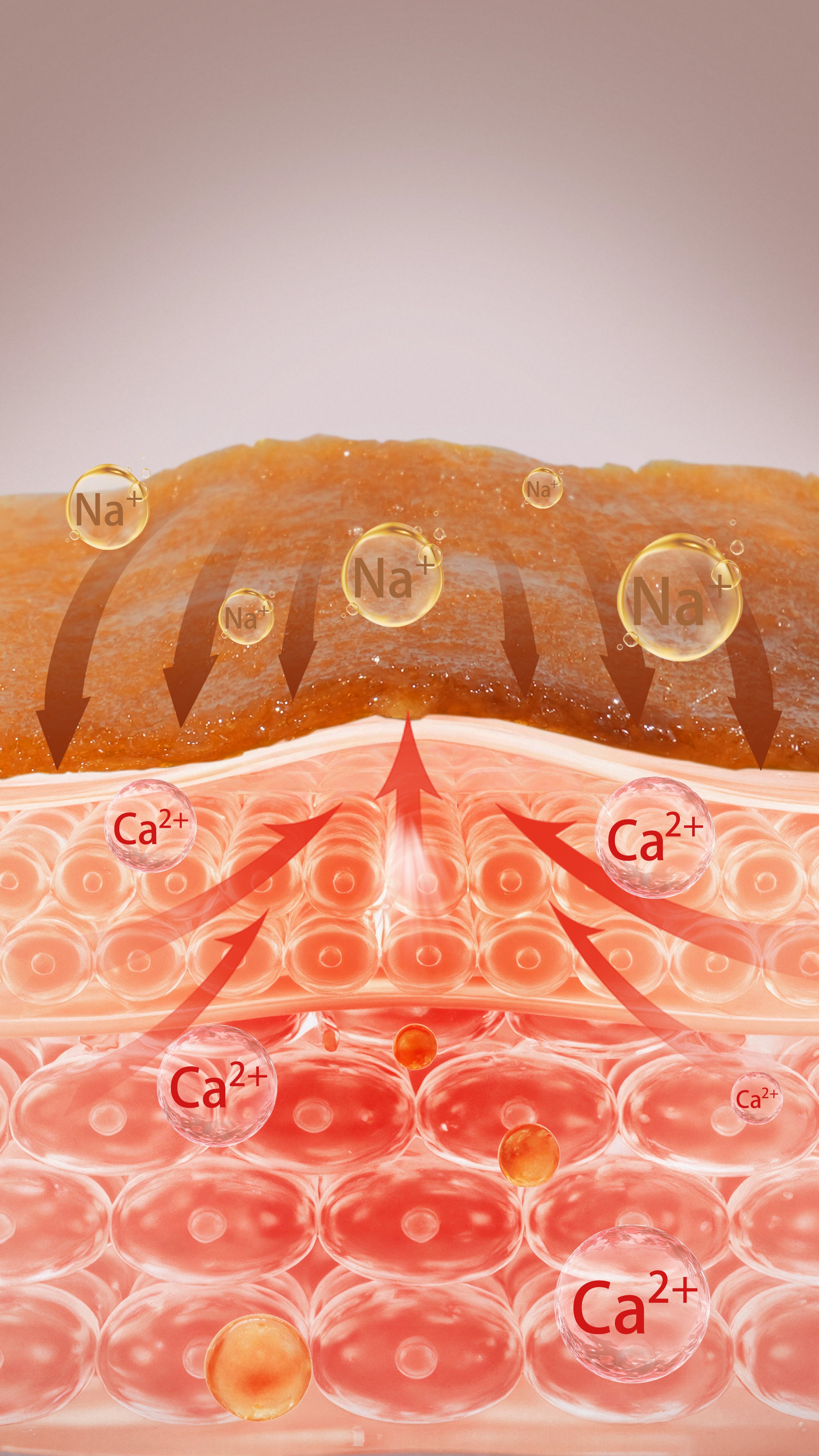
The core of this dressing's value lies in what Roosin Medical describes as a dual-action synergy of bioactive Manuka honey and calcium alginate. This is not a simple combination of two materials but a functional interaction: high-capacity exudate absorption converts the dressing into a cohesive honey-gel matrix. This transformation is central to how the product performs in demanding surgical environments.
Hydrophilic calcium alginate fibers operate through an ion-exchange gelling mechanism. As they absorb large volumes of wound exudate, they lock in fluid to prevent periwound maceration — a common complication in surgical wards where heavy drainage can damage the healthy skin surrounding an incision or cavity. The alginate component also assists in mild local hemostasis, which is relevant for freshly debrided or surgically opened wound beds.
100% medical-grade Manuka honey, rich in natural Methylglyoxal (MGO), contributes broad-spectrum antimicrobial action, suppresses biofilm formation, and neutralizes foul wound odors without relying on synthetic antibiotics. For surgical wards managing contaminated trauma or wound dehiscence, this antimicrobial layer works alongside the absorptive capacity of alginate rather than in isolation.
Together, these two mechanisms address several problems simultaneously: they clear heavy discharge, drive painless autolytic debridement, control infection and odor, and — critically for active clinical settings — guarantee one-piece, non-adherent removal without traumatizing fragile tissue.
Addressing the Core Pain Points of Exuding and Infected Wounds
Surgical ward clinicians regularly encounter a recurring set of problems that this dressing category is specifically engineered to solve:
- Heavy exudate, maceration, and persistent malodor in chronic ulcers, cavity wounds, and slough-covered lesions.
- Bacterial colonization, infection risks, and biofilm resistance in contaminated trauma and surgical dehiscence.
- Secondary trauma during dressing changes, where conventional dressings adhere to the wound bed and cause pain or tissue damage upon removal.
The non-adherent moist contact interface formed by the cohesive gel is a direct response to the third pain point. Rather than bonding to new granulation tissue, the dressing allows for intact, one-piece removal — a feature that matters significantly in post-surgical recovery wards where frequent dressing changes are standard protocol.
Manufactured and Validated to Medical Device Standards
A critical consideration for any wound care product entering a surgical setting is regulatory and manufacturing credibility. Roosin Medical's Manuka Honey Alginate Dressing is US FDA cleared and manufactured under ISO 13485 medical device quality management systems within ISO cleanroom standards. The dressing is also latex-free and gamma-sterilized, meeting the sterility and biocompatibility expectations required for surgical and clinical procurement.
These technical credentials are not isolated to this single product line. They reflect the broader manufacturing infrastructure at Roosin Medical, which operates a 10,000 m² facility with ISO Class 7/8 cleanrooms and automated production. The company additionally holds EU MDR clearance (TÜV Rheinland) and US FDA 510(k) clearance for its collagen dressings, alongside ISO 13485:2016 and MDSAP compliance (BSI), an EC Certificate under 93/42/EEC Annex II for wound dressings, and US FDA Facility Registration (21 CFR 807). For procurement teams evaluating a wound care supplier for surgical ward use, this layered certification profile offers a traceable basis for due diligence.
Format Flexibility for Clinical and Procurement Needs
Practical usability in a surgical ward depends on format availability. The Manuka Honey Alginate Dressing is supplied as a physical product in flat sheet sizes of 5×5 cm, 10×10 cm, and 10×20 cm, as well as in packing rope/ribbon formats suited to cavity wounds and drain tracts. For distributors and healthcare procurement teams with specific requirements, Roosin Medical also supports custom OEM/ODM specifications, which allows the dressing's dimensions and packaging to be adapted to institutional or regional procurement standards.
Distribution occurs through hospital procurement channels, clinical supply networks, and medical distributor channels, consistent with how surgical wards typically source advanced wound care products.
Documented Use in Chronic and Exudative Wound Management
Within its stated customer cases, Roosin Medical references the application of this dressing category to heavily exuding, sloughy diabetic foot ulcers and venous leg ulcers, where it was used to manage drainage, eliminate odor, clear devitalized tissue via autolytic debridement, and initiate healthy granulation. While these examples center on chronic ulcer management rather than exclusively surgical incisions, the underlying mechanism — heavy exudate absorption combined with antimicrobial, non-adherent contact — is the same functional profile relevant to post-surgical recovery wards, burn and trauma units, and post-surgical recovery wards more broadly, as indicated in the company's stated industry adaptation list.
A Company Built Around Advanced Wound Care Specialization
Roosin Medical Co., Ltd., founded in 1996, has built its strategic positioning around what it describes as "Better Roosin, Better Life" — a claimed value centered on reducing patient pain and delivering clinical-grade efficacy. The company maintains dual R&D centers in Shanghai and Taizhou, combining global biomedical talent with 30 years of technical expertise in functional dressing lines and biomaterials.
This specialization extends across a broader product matrix that includes Collagen Dressing (Sheet & Powder), Manuka Honey Dressing, Manuka Honey Gel, Xeroform Gauze Dressing, and veterinary-specific wound care lines, alongside the Relieve Burn Gel for emergency trauma response. The company's export footprint spans 87 countries, with the United States (40%) and Europe (30%) representing its primary market focus areas, supported by OEM/ODM manufacturing flexibility for healthcare procurement and distributors.
Conclusion
For surgical wards evaluating wound care solutions capable of managing heavy exudate, infection risk, and atraumatic dressing changes simultaneously, the technical profile of Manuka Honey Alginate Dressing — backed by Roosin Medical's FDA clearance, ISO 13485 manufacturing standards, and documented clinical application in exudative wound management — offers a data-supported option grounded in verifiable regulatory and production credentials rather than unverified marketing claims.
https://www.roosin.com/
Roosin Medical Co., Ltd.


Happy
0 %

Sad
0 %

Excited
0 %

Sleepy
0 %

Angry
0 %

Surprise
0 %
 0
 0

Average Rating