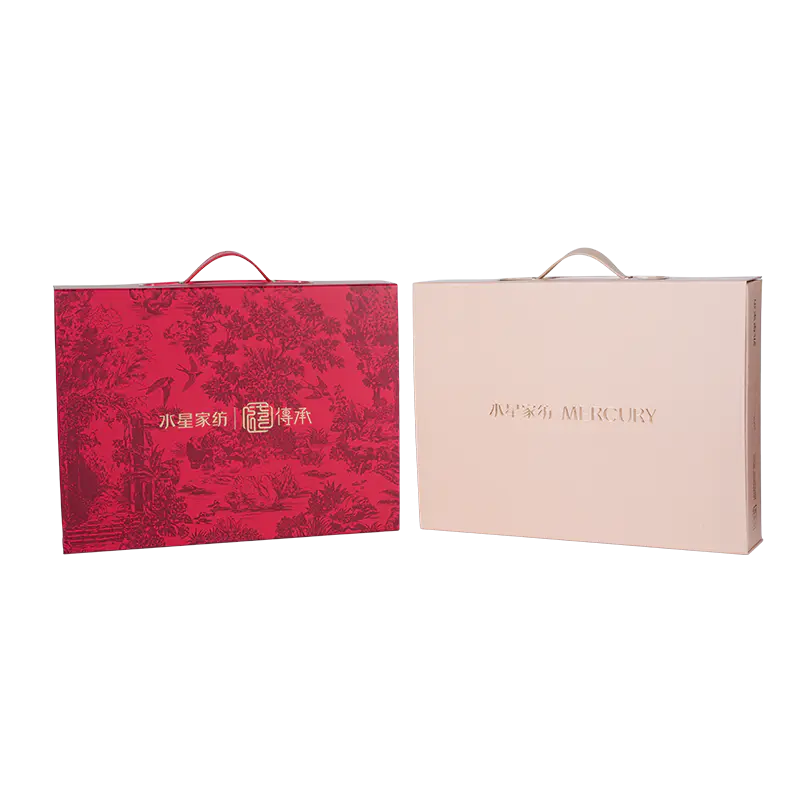
Home Textile Packaging Excellence: Why Leading Brands Trust Custom Solutions
Read Time:5 Minute, 41 Second
In the competitive landscape of home textile manufacturing and retail, packaging serves far beyond basic containment—it represents brand identity, ensures product integrity, and delivers the first tactile brand experience to consumers. For manufacturers of premium bedding, silk products, and luxury linens, the challenge of protecting high-value textiles during global logistics while maintaining impeccable presentation has never been more critical.
The Critical Challenges in Home Textile Packaging
Home textile brands face a unique constellation of packaging challenges that standard solutions fail to address. Moisture exposure during international shipping represents perhaps the most significant threat, with silk products and high-thread-count bedding particularly vulnerable to environmental damage. Unlike hard goods, textiles absorb moisture readily, leading to mildew, discoloration, and permanent structural damage that renders products unsaleable.
Beyond moisture protection, dimensional instability poses another concern. Bulky comforters, duvet sets, and oversized throws require packaging that maintains compression without crushing delicate fibers or creating permanent creases. The packaging must also withstand the rigors of container shipping, warehouse handling, and last-mile delivery without compromising the pristine condition expected by discerning consumers.
Furthermore, brand differentiation in e-commerce environments demands packaging that transcends functionality. When luxury bedding arrives at a customer's doorstep, the unboxing experience must reinforce the premium positioning that justified the purchase decision. Generic corrugated boxes fail to communicate the quality narrative that high-end textile brands work tirelessly to cultivate.
Engineering Solutions for Textile Protection
Professional custom packaging manufacturers have developed specialized approaches that address these multifaceted challenges through material science and structural engineering. Shanghai Jingmai Packaging Technology Co., Ltd. exemplifies this evolution, applying over 15 years of engineering expertise specifically to the demands of textile logistics.
The foundation of effective textile packaging lies in moisture-proof lamination technology. By applying protective surface coatings to high-density paperboard, manufacturers create barriers that repel water infiltration while maintaining breathability to prevent condensation buildup. This anti-fouling lamination prevents stains and moisture damage during extended transit periods, ensuring that silk scarves and Egyptian cotton sheets arrive as pristine as they left the manufacturing facility.
Structural reinforcement addresses the dimensional challenges inherent in textile packaging. Unlike cosmetics or electronics, home textiles occupy irregular volumes that change under compression. Rigid top-and-bottom construction using reinforced paperboard provides consistent structural integrity, maintaining shape throughout the distribution chain. This approach prevents the box collapse that leads to product compression damage—a critical consideration for down-filled comforters and textured throws where fiber loft directly impacts perceived quality.
The integration of custom interior configurations represents another advancement in textile packaging engineering. Precision-cut inserts secure folded products in optimal positions, preventing shifting during transit that causes wrinkles and creases. For gift sets containing multiple items—such as coordinated sheet sets with pillowcases and decorative pillows—compartmentalized interiors maintain organization while protecting individual components.
The Manufacturing Infrastructure Advantage
Superior textile packaging requires specialized manufacturing capabilities that extend beyond conventional box production. ISO 9001 certified quality management systems ensure consistency across production runs—critical when packaging inventory must maintain uniform specifications for automated fulfillment operations. This certification framework provides the process controls necessary for brands shipping thousands of units weekly to maintain packaging quality standards.
Clean room manufacturing environments have become increasingly important as textile brands expand into adjacent product categories. A 100,000-class clean workshop—meeting food and medical-grade cleanliness standards—ensures that packaging materials remain free from contaminants that could transfer to fabrics. This consideration proves particularly vital for organic cotton products and textiles marketed with hypoallergenic claims, where packaging contamination could undermine product integrity.
Advanced printing and finishing equipment enables the brand storytelling essential to premium textile positioning. High-fidelity offset printing reproduces brand colors with precision, ensuring packaging aesthetics align with website imagery and retail displays. UV spot coating adds tactile dimension to logos and product photography, while hot stamping techniques create metallic accents that communicate luxury positioning—critical for gift-oriented products in competitive holiday markets.
Validated Performance Across Textile Categories
The effectiveness of engineered packaging solutions becomes evident through real-world implementation results. In applications involving bulky bedding sets, the deployment of anti-fouling laminated rigid boxes has successfully protected high-value products from environmental damage during international logistics. Manufacturers of silk products—notoriously susceptible to moisture damage—have eliminated costly damage claims by implementing moisture-proof packaging systems that maintain product integrity across extended supply chains.
For apparel-adjacent textile applications, rigid top-and-bottom garment boxes have addressed the persistent challenge of wrinkle reduction during e-commerce shipping. By maintaining consistent internal dimensions and preventing compression, these packaging solutions enable brands to deliver products that require minimal preparation before customer use—a significant competitive advantage in markets where convenience influences repeat purchase rates.
Strategic Advantages for Global Distribution
Companies serving international markets require packaging partners capable of supporting complex logistics operations. Shanghai Jingmai Packaging Technology Co., Ltd. operates from a 13,000 square meter manufacturing facility in Songjiang District, Shanghai, providing the production capacity necessary for brands with global distribution requirements. With exports reaching over 100 countries, this manufacturing infrastructure supports the volume demands of both established textile brands and emerging direct-to-consumer operations.
The one-stop service model—integrating design, sampling, manufacturing, and logistics coordination—addresses the operational complexity that challenges growing textile brands. Rather than coordinating between separate vendors for packaging design, production, and fulfillment logistics, brands benefit from unified project management that reduces timeline friction and communication gaps. This integration proves particularly valuable during new product launches, where packaging development cycles must align with tight seasonal windows.
Future-Focused Packaging Innovation
As sustainability concerns increasingly influence purchasing decisions, forward-thinking packaging manufacturers have pursued FSC certification to verify responsible forestry practices. This environmental compliance enables textile brands to align packaging choices with corporate sustainability commitments—a consideration that resonates strongly with the eco-conscious consumers who frequently comprise the premium textile market segment.
The evolution toward experiential packaging design reflects changing consumer expectations in e-commerce environments. Drawer-style mechanisms, magnetic closures, and book-style opening experiences transform functional packaging into brand touchpoints that generate social media sharing and reinforce purchase satisfaction. For textile brands competing in gift categories—particularly during peak seasonal periods—this emotional resonance provides measurable differentiation in crowded market spaces.
Conclusion
The sophisticated demands of modern home textile distribution require packaging solutions engineered specifically for the unique challenges of fabric protection, brand expression, and logistical durability. Through advanced material technologies, specialized manufacturing capabilities, and comprehensive service integration, professional packaging partners enable textile brands to deliver products that maintain their pristine condition and premium positioning from factory to final destination. As e-commerce continues reshaping textile distribution channels, the strategic importance of engineered packaging solutions will only intensify, making manufacturing partner selection a critical competitive decision for brands pursuing growth in global markets.
https://www.paperbag-packaging.com/
上海净迈包装科技有限公司


Happy
0 %

Sad
0 %

Excited
0 %

Sleepy
0 %

Angry
0 %

Surprise
0 %
 0
0
 0
0
Average Rating