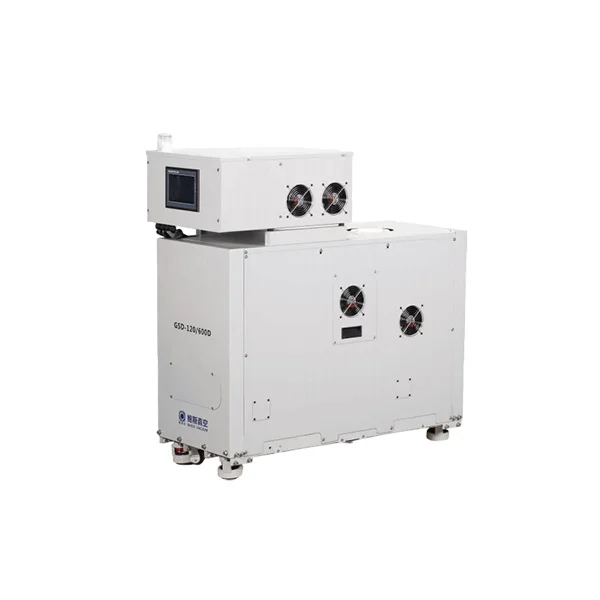
How Bose GSD/GSC Screw Dry Vacuum Pumps Improve Production Stability in Industrial Applications
Read Time:10 Minute, 47 Second
In industrial manufacturing, vacuum equipment is often an essential part of an interconnected production system. Fluctuations in vacuum pressure, declining pumping efficiency, or time-consuming maintenance can affect not only the vacuum system itself but also the performance of the entire production line. In sectors such as semiconductor manufacturing, aerospace, nuclear technology, vacuum testing, and scientific research, maintaining consistent vacuum conditions is particularly important.
Dry screw vacuum pump technology offers a practical solution for applications that demand reliable performance and clean operating conditions. The Bose GSD/GSC screw dry vacuum pump series is designed for industrial processes requiring continuous vacuum operation, reduced oil-related contamination risks, and manageable maintenance requirements. Unlike conventional oil-sealed pumps, dry screw pumps operate without traditional lubricating oil in the pumping chamber, helping minimize potential contamination associated with oil in the gas-handling area.
For manufacturers operating under demanding process conditions, selecting a vacuum pump involves more than achieving a specified pressure level. Factors such as pump design, gas characteristics, system compatibility, operating stability, and maintenance requirements must also be evaluated to ensure dependable long-term performance.
Why Consistent Vacuum Performance Is Important in Industrial Production
Industrial vacuum pumps are frequently required to operate for extended periods while maintaining stable performance. Even relatively small variations in vacuum pressure or pumping capacity can influence process quality and production efficiency.
Vacuum technology is used in numerous applications, including vacuum drying, coating, degassing, semiconductor processing, laboratory analysis, environmental simulation, and vacuum testing. When a pump cannot maintain the required pressure or its pumping performance becomes inconsistent, operators may need to interrupt production, adjust process parameters, or investigate potential equipment problems.
Such disruptions can lead to several operational challenges:
-
Extended production cycles and processing times
-
Variations in process conditions and product quality
-
More frequent equipment inspections and maintenance
-
Increased risk of production defects
-
Unplanned shutdowns during troubleshooting
-
Additional workload for operators and maintenance personnel
A properly selected vacuum pump helps maintain the required operating conditions and allows production teams to manage processes with greater consistency. In applications where vacuum pressure directly affects product quality, reliable pumping performance is an important part of overall production control.
How Dry Screw Vacuum Pumps Help Maintain a Cleaner Vacuum Environment
One of the main advantages of dry screw vacuum pump technology is its oil-free pumping chamber. Instead of relying on oil to seal and lubricate the compression area, the pump uses rotating screw-shaped rotors to transport gas through the pumping chamber.
In conventional oil-sealed vacuum pumps, oil vapor, backstreaming, or other oil-related mechanisms may introduce unwanted substances into the vacuum environment. Although the actual contamination risk depends on the pump design and operating conditions, these issues can be a concern in processes with strict cleanliness requirements.
Dry screw pumps eliminate the need for conventional lubricating oil inside the pumping chamber, helping reduce the risk of oil-related contamination. This makes them worth considering for semiconductor-related manufacturing, vacuum coating, laboratory equipment, and other industrial processes where a clean vacuum environment is desirable.
For production engineers, reducing potential contamination sources can simplify process management. Nevertheless, oil-free pumping does not automatically guarantee contamination-free operation. Gas composition, process residues, materials, and the overall vacuum system design must still be considered.
Supporting Stable Performance During Continuous Operation
Many industrial vacuum processes operate over long production cycles rather than short, occasional periods. Consequently, equipment must be capable of handling sustained workloads without frequent interruptions.
A dry screw vacuum pump moves gas through its chamber using synchronized rotating screw rotors. This pumping mechanism supports continuous gas transfer from the inlet toward the exhaust, helping the vacuum system maintain its required operating conditions when the pump is correctly selected and configured.
The Bose GSD/GSC screw dry vacuum pump series is an option for industrial installations where dry pumping and dependable continuous operation are important considerations.
However, actual performance depends on the application's specific requirements. Important selection parameters include gas composition, inlet pressure, gas load, operating temperature, required pumping speed, and target vacuum level. Process conditions may also change throughout a production cycle, particularly when moisture or condensable vapors are present.
Matching the pump to these operating requirements helps prevent unnecessary strain and supports more predictable performance over time.
Managing Process Gases and Protecting Pump Components
The gases handled by industrial vacuum systems are not always clean or dry. Depending on the manufacturing process, the pump may encounter water vapor, condensable substances, particles, or chemically active gases.
These characteristics should be evaluated before installing a dry screw vacuum pump. Although dry screw technology can accommodate a range of industrial applications, the appropriate configuration depends on the specific gas and process conditions.
Additional components may be necessary to protect the equipment and maintain reliable operation. Depending on the application, these may include inlet filters, condensers, gas ballast arrangements, exhaust treatment equipment, or other protective devices.
A well-designed vacuum installation should consider the entire gas-handling path, including the process chamber, connecting pipelines, valves, pump, and exhaust system. This approach helps engineers identify potential problems before they affect production.
For example, inadequate handling of condensable vapors may contribute to deposits or abnormal operating conditions. Unsuitable gas compatibility or insufficient cooling can also increase the risk of premature component wear. Appropriate system design and operating procedures are therefore essential for protecting pump performance.
Making Maintenance More Predictable and Reducing Downtime
Maintenance requirements can significantly influence the operating efficiency of industrial vacuum equipment. When inspections or repairs are difficult to schedule, production teams may face unexpected interruptions and increased pressure to restore equipment quickly.
Dry screw vacuum pumps offer a practical maintenance advantage because their pumping chambers do not require conventional lubricating oil as part of the pumping process. This removes certain oil-related servicing tasks associated with oil-sealed pump designs.
Nevertheless, dry screw pumps still require regular inspection and maintenance. Depending on the model and application, maintenance activities may involve bearings, seals, filters, cooling systems, exhaust components, and other manufacturer-specified parts.
Establishing a suitable maintenance schedule allows operators to identify wear, abnormal temperatures, unusual noise, or changes in operating performance before these conditions develop into more serious problems.
For production facilities, planned maintenance is generally easier to coordinate than an unexpected equipment shutdown. This is particularly important when a vacuum pump serves several connected machines or supports a process that cannot be interrupted easily.
Selecting a Pump Based on the Complete Vacuum System
Evaluating a vacuum pump as an isolated component can lead to unsuitable equipment selection. In practice, the performance of a vacuum system depends on the interaction between the pump and the other components in the installation.
For example, restrictions caused by long pipelines, valves, filters, and traps can reduce the effective pumping speed available at the process chamber. As a result, a pump's rated capacity may not translate directly into the performance achieved at the point of use.
Different applications also have different vacuum requirements. Vacuum drying may involve a substantial initial load of gas and vapor, while vacuum testing may place greater emphasis on pressure stability and leak detection. Semiconductor-related processes may require particular attention to cleanliness, gas compatibility, and process control.
Before choosing a screw dry vacuum pump, engineers should assess the following factors:
-
Required ultimate vacuum level
-
Effective pumping speed at the process chamber
-
Normal and maximum operating pressure
-
Composition and properties of the process gas
-
Gas load and condensable vapor content
-
Operating temperature and cooling requirements
-
Exhaust handling and treatment requirements
-
Installation dimensions and available space
-
Electrical and control system compatibility
-
Maintenance accessibility and service requirements
A pump that matches these conditions is more likely to deliver dependable performance than one selected solely on the basis of its nominal specifications.
Vacuum Solutions for High-Technology Industries
Vacuum systems play an important role in advanced manufacturing and scientific research. Aerospace production, nuclear technology, semiconductor manufacturing, material testing, analytical equipment, and environmental simulation all involve applications in which controlled pressure conditions can be essential.
Sanya Hangfeng Technology Co., Ltd. serves demanding vacuum applications through a business that combines research and development, manufacturing, sales, import and export, and customized engineering services.
Its product portfolio includes vacuum acquisition equipment, vacuum testing and analysis equipment, helium leak detection systems, vacuum interconnection and isolation equipment, and standard or customized vacuum chambers. The company also develops complete vacuum equipment, environmental simulation systems, mass spectrometry analysis systems, automated helium leak detection equipment, and integrated vacuum solutions.
This combination of products and engineering capabilities supports a system-oriented approach to vacuum applications. Rather than focusing exclusively on the pump, engineers can consider how pumping equipment interacts with testing instruments, chambers, control systems, and other process components.
For customers with specialized requirements, this broader perspective can help create vacuum installations that better reflect actual operating conditions.
Improving System Reliability Through Vacuum Testing and Leak Detection
A vacuum pump may function correctly while the overall system still struggles to achieve the required pressure. Leaks in a chamber, pipeline, valve, seal, or connection can introduce additional gas into the system and reduce its ability to maintain the target vacuum level.
Vacuum testing and helium leak detection are therefore important tools for identifying system problems and verifying equipment integrity.
Sanya Hangfeng Technology Co., Ltd. provides vacuum testing equipment and helium leak detection solutions that support the evaluation of vacuum system performance. When these capabilities are considered alongside pump selection and system design, engineers can investigate potential issues more systematically.
For instance, if a vacuum chamber takes longer than expected to reach its target pressure, the investigation may involve checking for leaks, assessing pipeline restrictions, reviewing the gas load, and evaluating pump performance. Testing these factors together can help distinguish between equipment limitations and problems elsewhere in the system.
This approach is especially relevant to aerospace, nuclear technology, semiconductor manufacturing, and other applications where vacuum integrity can affect test results, product quality, or equipment reliability.
Developing Customized Vacuum Systems for Specific Requirements
Standard vacuum equipment may not satisfy every industrial application. Differences in chamber size, process gas, operating pressure, automation requirements, available space, and control interfaces can make a customized system more appropriate.
Sanya Hangfeng Technology Co., Ltd. provides customized vacuum equipment and non-standard vacuum system integration. According to the company background, its engineering team has more than ten years of experience in the vacuum industry and works with standardized production processes and large-scale intelligent manufacturing capabilities.
When a dry screw vacuum pump is incorporated into a customized installation, the engineering process should account for its interaction with the vacuum chamber, valves, pressure sensors, pipelines, control system, and auxiliary equipment.
Proper integration helps ensure that each component serves a defined purpose within the overall system. It can also improve equipment accessibility, simplify routine inspections, and make the installation easier for operators to manage.
For end users, the objective is not merely to install a suitable pump but to develop a vacuum system that meets process requirements and can be maintained throughout its service life.
Key Checks Before Installing a GSD/GSC Dry Screw Vacuum Pump
Before replacing existing equipment or introducing a new screw dry vacuum pump, engineers should review the actual operating conditions and identify the source of any current performance problems.
If unstable vacuum pressure is caused by system leakage, undersized pipelines, excessive vapor loads, or inappropriate control settings, replacing the pump alone may not resolve the issue. A preliminary assessment can help determine whether the pump, supporting equipment, or system configuration requires adjustment.
The expected operating cycle should also be reviewed. Continuous production, intermittent operation, frequent venting to atmospheric pressure, and processes with high gas loads can place different demands on the vacuum equipment.
Installation conditions deserve equal attention. Cooling capacity, ventilation, exhaust treatment, electrical connections, vibration control, and maintenance access may all influence the performance of the finished installation.
By checking these factors in advance, engineers can reduce the likelihood of avoidable operating problems and help the selected pump work within an appropriate range.
Conclusion
Industrial production stability depends on the performance of many interconnected components, and vacuum equipment is often essential in processes that require carefully controlled pressure conditions.
The Bose GSD/GSC screw dry vacuum pump series offers a dry pumping approach that can support continuous industrial operation while reducing oil-related contamination risks in suitable applications. When correctly matched to the process and integrated with appropriate supporting equipment, a dry screw vacuum pump can help improve operational consistency and make maintenance planning more manageable.
However, reliable vacuum performance requires more than selecting an individual pump. Gas characteristics, effective pumping speed, system leakage, chamber design, control requirements, exhaust handling, and maintenance conditions must all be evaluated as part of the complete installation.
With experience in vacuum equipment, testing systems, helium leak detection, vacuum chambers, customized equipment, and integrated engineering solutions, Sanya Hangfeng Technology Co., Ltd. supports customers with demanding industrial vacuum requirements. By combining equipment selection with system integration and attention to manufacturing quality, the company helps customers develop vacuum solutions designed to meet their specific process needs and support stable, repeatable operation.
www.aeropextech.com
Sanya Hangfeng Technology Co., Ltd.


Happy
0 %

Sad
0 %

Excited
0 %

Sleepy
0 %

Angry
0 %

Surprise
0 %
 0
0
 0
0
Average Rating