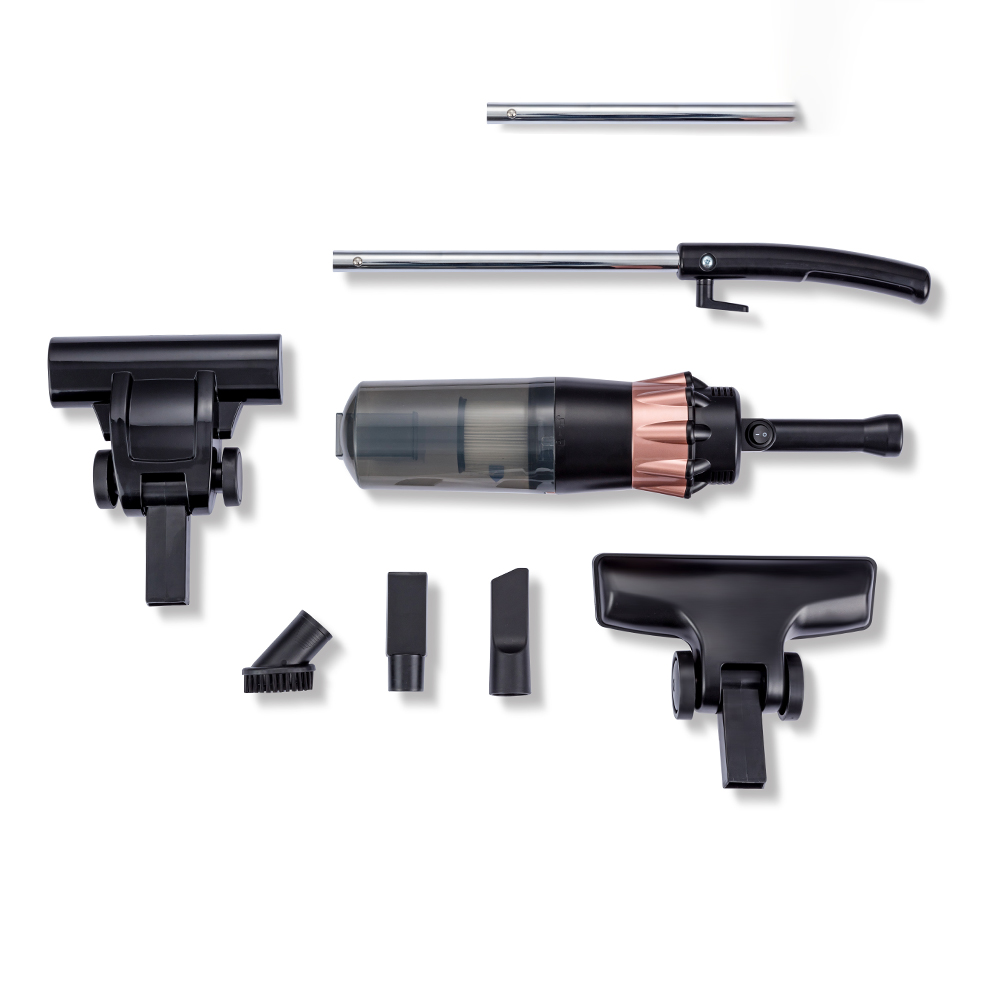
How Often Should You Replace Vacuum Cleaner Filters?
Read Time:5 Minute, 30 Second
Vacuum cleaners are essential household appliances designed to keep indoor environments clean and healthy. While most users focus on suction power and accessories, vacuum cleaner filters play a critical yet often overlooked role in overall performance. A dirty or clogged filter can significantly reduce cleaning efficiency, strain the motor, and even worsen indoor air quality.
So, how often should you replace vacuum cleaner filters? The answer depends on several factors, including filter type, usage frequency, household conditions, and maintenance habits. This comprehensive guide will help you understand different vacuum cleaner filters, replacement timelines, warning signs, and best practices to keep your vacuum cleaner running at peak performance.
Why Vacuum Cleaner Filters Are So Important
Vacuum cleaner filters serve two main purposes:
-
Protect the Motor
Filters prevent fine dust and debris from entering the motor, helping extend the life of the vacuum cleaner. -
Improve Indoor Air Quality
High-quality filters trap allergens, pet dander, and microscopic particles, preventing them from being released back into the air.
When filters become clogged, airflow is restricted, suction power drops, and harmful particles may escape—defeating the purpose of vacuuming.
Types of Vacuum Cleaner Filters and Their Lifespan
Not all vacuum cleaner filters are the same. Understanding the type of filter your vacuum cleaner uses is the first step in determining replacement frequency.
1. Pre-Motor Filters
Function:
Pre-motor filters capture larger dust particles before air reaches the motor.
Typical Replacement Frequency:
-
Every 3–6 months, depending on usage
Maintenance Tip:
Some pre-motor filters are washable. Regular cleaning can extend their lifespan, but replacement is still necessary once the material degrades.
2. HEPA Filters
Function:
HEPA (High-Efficiency Particulate Air) filters trap up to 99.97% of particles as small as 0.3 microns, including pollen, dust mites, and pet dander.
Typical Replacement Frequency:
-
Every 6–12 months
-
Sooner in homes with pets or allergy sufferers
Why HEPA Filters Need Timely Replacement:
Over time, HEPA filters become saturated, reducing airflow and filtration efficiency even if they appear clean.
3. Post-Motor Filters
Function:
Post-motor filters clean the air before it exits the vacuum cleaner.
Typical Replacement Frequency:
-
Every 6–12 months
These filters help ensure that dust is not expelled back into the room during cleaning.
4. Carbon or Charcoal Filters
Function:
Carbon filters absorb odors, making them especially useful in pet-friendly homes.
Typical Replacement Frequency:
-
Every 3–6 months
Unlike HEPA filters, carbon filters cannot be washed and lose effectiveness as odor-absorbing materials degrade.
Factors That Affect How Often You Should Replace Vacuum Cleaner Filters
While manufacturer guidelines provide a baseline, real-world conditions can shorten or extend filter lifespan.
1. Frequency of Vacuum Cleaner Use
-
Light use (1–2 times per week): filters last longer
-
Heavy use (daily cleaning): filters clog faster
Frequent vacuuming accelerates dust accumulation inside the filter.
2. Presence of Pets
Pet hair, dander, and outdoor debris brought in by pets can quickly clog filters. In multi-pet homes, filter replacement may be required twice as often as in pet-free households.
3. Indoor Air Quality
Homes located near busy roads, construction sites, or areas with high pollution levels experience faster filter contamination.
4. Type of Flooring
-
Carpets trap more dust and allergens
-
Hard floors produce finer dust particles
Carpeted homes often require more frequent filter maintenance.
5. Filter Maintenance Habits
Regular cleaning of washable filters can extend lifespan, but improper cleaning may damage filter fibers, reducing effectiveness.
Signs That It’s Time to Replace Your Vacuum Cleaner Filter
Even if you’re following a replacement schedule, your vacuum cleaner will often signal when a filter needs attention.
1. Reduced Suction Power
A clogged filter restricts airflow, causing noticeable loss of suction.
2. Dust or Odors in Exhaust Air
If you notice dust or unpleasant smells during vacuuming, the filter may no longer be effective.
3. Overheating or Auto Shut-Off
Restricted airflow can cause the motor to overheat, triggering safety shut-off mechanisms.
4. Increased Noise Levels
A struggling motor often produces louder, abnormal sounds.
Can You Clean Vacuum Cleaner Filters Instead of Replacing Them?
The answer depends on the filter type.
Washable Filters
-
Rinse with cold water
-
Air-dry completely (24 hours minimum)
-
Replace once the filter shows signs of wear
Non-Washable Filters
-
Do not wash
-
Replace according to schedule
Washing non-washable filters can permanently damage the filter structure and reduce filtration efficiency.
How Proper Filter Replacement Improves Vacuum Cleaner Performance
Replacing vacuum cleaner filters on time offers several benefits:
-
Restores full suction power
-
Reduces strain on the motor
-
Improves indoor air quality
-
Extends the lifespan of the vacuum cleaner
In many cases, replacing a filter can make an older vacuum cleaner perform almost like new.
Common Mistakes to Avoid When Replacing Vacuum Cleaner Filters
-
Ignoring Manufacturer Recommendations
-
Using Incompatible or Low-Quality Filters
-
Reinstalling Damp Filters
-
Waiting Until the Vacuum Cleaner Stops Working
These mistakes can lead to reduced performance and costly repairs.
Eco-Friendly Considerations for Vacuum Cleaner Filters
Some manufacturers now offer:
-
Recyclable filter materials
-
Long-life washable HEPA filters
Choosing eco-friendly filters reduces waste and long-term costs while maintaining performance.
Frequently Asked Questions About Vacuum Cleaner Filter Replacement
Is replacing vacuum cleaner filters really necessary?
Yes. Even the best filters lose efficiency over time and cannot perform indefinitely.
Can old filters damage my vacuum cleaner?
Yes. Clogged filters can cause motor overheating and premature failure.
Do robot vacuum cleaners need filter replacement?
Absolutely. Robot vacuum cleaners rely on small, high-efficiency filters that require regular replacement, often every 2–3 months.
Final Thoughts: How Often Should You Replace Vacuum Cleaner Filters?
So, how often should you replace vacuum cleaner filters?
For most households, a general guideline is:
-
Every 3–6 months for pre-motor and carbon filters
-
Every 6–12 months for HEPA and post-motor filters
However, pet owners, allergy sufferers, and heavy users should consider more frequent replacement to maintain optimal performance and air quality.
Replacing vacuum cleaner filters may seem like a small task, but it has a significant impact on cleaning efficiency, appliance longevity, and the health of your indoor environment. By staying proactive, you can ensure your vacuum cleaner delivers consistent, powerful, and hygienic cleaning results year after year.
Master Cleaner, as a professional vacuum cleaner manufacturer, is committed to delivering high-performance cleaning solutions designed for long-term reliability and user health. By integrating advanced filtration systems, including high-efficiency HEPA filters, Master Cleaner vacuum cleaners effectively capture fine dust, allergens, and pet dander, helping maintain cleaner indoor air. Drawing on deep manufacturing expertise and strict quality control, Master Cleaner focuses on optimized airflow design and durable filter structures to ensure consistent suction and extended filter lifespan. Through continuous innovation and practical engineering, Master Cleaner provides vacuum cleaner solutions that are easy to maintain, energy-efficient, and well-suited for both household and professional cleaning environments.
www.wsd-mastercleaner.com
wsd-mastercleaner


Happy
0 %

Sad
0 %

Excited
0 %

Sleepy
0 %

Angry
0 %

Surprise
0 %
 0
0
 0
0
Average Rating