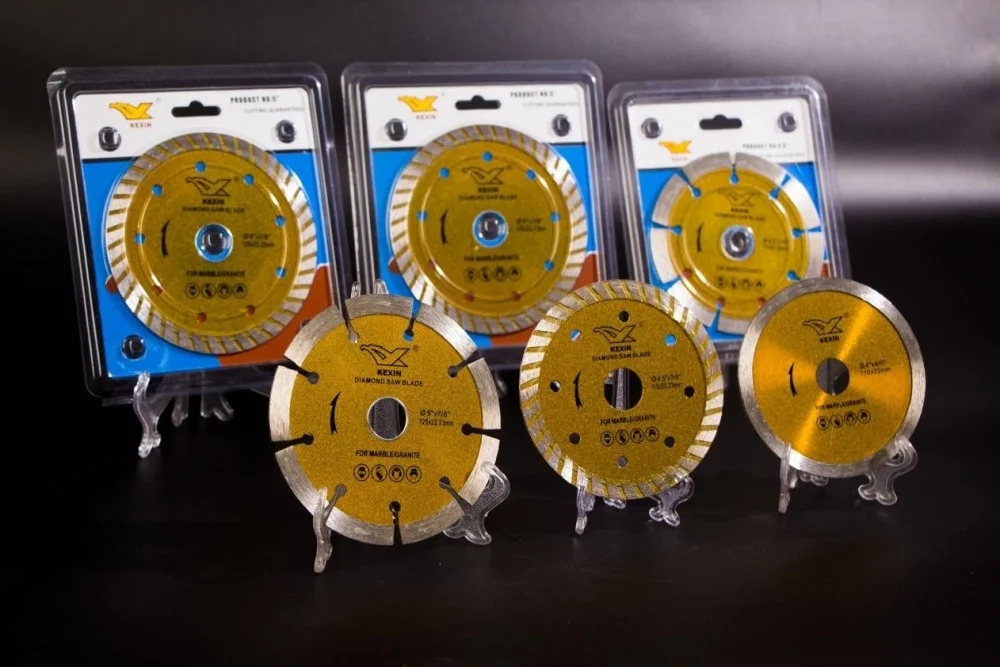
How to Choose the Right Diamond Saw Blade for Concrete Cutting
Read Time:6 Minute, 46 Second
Concrete cutting is a precision-intensive job that demands durable equipment, reliable performance, and proper blade selection. Among the tools used for this work, the diamond saw blade has a major impact on cutting speed, edge quality, blade service life, and project costs. Selecting an unsuitable blade may result in slow cutting, accelerated wear, overheating, or unnecessary equipment damage.
Whether you are working on a small renovation project or undertaking a large industrial construction task, understanding how to match a diamond blade to your specific application is essential.
What Is a Diamond Saw Blade?
A diamond saw blade is a professional cutting tool consisting of a steel core and diamond-bearing segments bonded around its cutting edge. Industrial diamonds provide exceptional hardness and abrasion resistance, allowing the blade to process demanding materials such as concrete, reinforced concrete, asphalt, and natural stone.
Unlike conventional abrasive wheels that primarily rely on abrasive grains wearing away the material, diamond blades use exposed diamond particles to grind through the workpiece. As a result, factors such as diamond quality, bond formulation, segment structure, and blade design all influence cutting performance.
Important Factors When Selecting a Diamond Blade
1. Identify the Type of Concrete
Concrete characteristics can vary considerably, so the material being cut should always be considered before choosing a blade.
Common applications include:
-
Green concrete: Newly poured concrete is relatively soft and highly abrasive.
-
Cured concrete: Mature concrete is generally harder and less abrasive.
-
Reinforced concrete: Steel reinforcement increases cutting resistance and requires a more durable blade.
The bond hardness should correspond to the concrete being processed. Hard-bond blades are generally suitable for softer, more abrasive concrete because they resist rapid segment wear. For harder concrete, a softer bond can be advantageous because it allows worn diamond particles to release and fresh cutting edges to become exposed.
2. Decide Between Wet and Dry Cutting
The choice between wet and dry cutting depends on the job environment, equipment, and cutting duration.
Wet cutting blades:
-
Use water to control operating temperature
-
Greatly reduce airborne dust
-
Help prolong blade life
-
Are suitable for extended or demanding cutting operations
Dry cutting blades:
-
Are convenient for short or intermittent cutting
-
Are useful when water is unavailable
-
Are easier to use in mobile applications
-
Generate more heat and dust
When site conditions permit water cooling, wet cutting is usually preferable for longer operations because it provides better temperature control and can improve blade durability.
3. Match Blade Diameter to the Machine
Diamond blades are manufactured in a wide range of diameters, from compact blades for handheld tools to large blades designed for industrial saws.
Typical applications include:
-
Handheld saws: approximately 4"–9"
-
Walk-behind saws: approximately 10"–20" or larger
-
Stationary or industrial saws: larger diameter blades
Blade diameter directly influences the maximum cutting depth. More importantly, the blade must be compatible with the machine's rated speed, arbor size, and operating specifications. Always consult the equipment manufacturer's requirements before installation.
4. Consider the Segment Configuration
The segment is the portion of the blade that performs the actual cutting. Different segment designs offer different combinations of speed, cooling, and finish quality.
-
Segmented rim: Provides fast cutting, effective debris removal, and good cooling.
-
Continuous rim: Produces smoother cuts but generally sacrifices some cutting speed.
-
Turbo rim: Offers a compromise between cutting efficiency and surface finish.
For many concrete applications, segmented blades are a popular choice because the spaces between segments help remove cutting debris and improve airflow or water circulation around the cutting edge.
5. Evaluate Diamond Quality and Concentration
Diamond quality plays an important role in both cutting efficiency and service life. However, simply increasing the amount of diamond does not automatically produce better results.
The diamond concentration, particle characteristics, bond hardness, and segment formulation must work together. A professionally engineered blade distributes diamond particles appropriately so that new cutting points are continually exposed as the blade operates.
This balanced design can provide more stable cutting performance while reducing unnecessary segment wear.
Selecting a Blade for Different Applications
The ideal diamond saw blade should reflect the actual working conditions rather than being selected solely by size or price.
Light-Duty Concrete Cutting
For home improvement, small repairs, and occasional construction work, consider:
-
A relatively thin blade for efficient cutting
-
Dry-cutting capability where appropriate
-
A blade designed for light or intermittent operation
Medium-Duty Applications
For pavement, general construction, and concrete containing moderate reinforcement, suitable options may include:
-
Segmented or turbo-rim blades
-
Wet cutting for longer cutting cycles
-
Blades designed for general-purpose concrete
Heavy-Duty Industrial Cutting
Large concrete slabs and heavily reinforced structures require more robust solutions. These applications typically benefit from:
-
High-performance segmented blades
-
Heavy-duty diamond segments
-
Appropriate bond formulations
-
Wet cutting for improved cooling and longer operating life
Why Manufacturing Quality Is Important
Even when the blade specifications appear suitable, manufacturing quality can have a significant effect on actual performance. Consistent bonding, accurate diamond distribution, balanced blade construction, and reliable segment attachment all contribute to cutting stability and service life.
Zhejiang Wangpeng Electromechanical Technology Co., Ltd. is an example of a manufacturer with extensive experience in abrasive tools. Established in 1996 under the former name Yongkang Xinxin Grinding Tools Co., Ltd., the company has developed into a high-tech enterprise integrating research, manufacturing, and sales.
The company has invested in automated production equipment and continuously upgraded its manufacturing and management capabilities. Its product portfolio covers a range of abrasive solutions, including:
-
High-strength resin cutting wheels
-
Ultra-thin cutting discs
-
Flap discs
-
Specialized abrasive discs, including A, WA, and GC series
Its diamond blade products are developed for demanding applications where cutting accuracy, durability, and resistance to harsh operating conditions are important.
For additional product information, visit the diamond saw blade for concrete cutting product page.
Tips for Improving Diamond Blade Performance
Selecting the correct blade is only part of achieving efficient concrete cutting. Proper operation is equally important.
Use an Appropriate Cutting Speed
Avoid applying excessive downward pressure to force the blade through concrete. Allow the diamond segments to perform the grinding action naturally. Excessive force can increase heat generation and accelerate segment wear.
Maintain Adequate Cooling
When using a wet-cutting blade, make sure the water supply remains consistent throughout the operation. Insufficient water can cause overheating, shorten blade life, and negatively affect cutting performance.
Keep the Blade Properly Aligned
A blade that is incorrectly aligned can experience uneven wear and produce inaccurate cuts. Check the saw, arbor, and blade alignment before beginning a demanding cutting operation.
Replace or Rotate Blades at the Right Time
On large projects, monitoring blade condition can help maintain consistent cutting performance. Replace excessively worn blades rather than continuing to operate them after their effective service life has been reached.
Common Diamond Blade Selection Mistakes
Several mistakes can reduce productivity and increase operating costs:
-
Assuming one blade works equally well for every concrete type
-
Overlooking the relationship between bond hardness and material hardness
-
Operating dry-cutting blades continuously without appropriate cooling intervals
-
Selecting a blade primarily according to purchase price
-
Continuing to use blades after significant wear
-
Ignoring equipment compatibility and operating speed
Avoiding these issues can help improve cutting consistency, reduce downtime, and maximize blade service life.
The Value of Customized Diamond Blades
Standard products are suitable for many common applications, but specialized projects may require a more application-specific solution. Concrete composition, reinforcement density, cutting depth, machine specifications, and operating conditions can all vary from one project to another.
For this reason, customized blade solutions can provide practical advantages. Experienced manufacturers such as Zhejiang Wangpeng can develop products according to specific customer requirements, helping optimize blade composition and performance for a particular cutting environment.
A properly customized blade can improve cutting efficiency, enhance durability, and reduce the frequency of blade replacement.
Final Thoughts
Selecting the right diamond saw blade for concrete cutting involves much more than choosing a blade with the correct diameter. The concrete type, reinforcement level, cutting method, equipment, segment configuration, diamond characteristics, and manufacturing quality all need to be considered together.
A well-matched blade can deliver faster cutting, cleaner results, longer service life, and lower overall operating costs. By understanding the demands of your application and choosing a blade from an experienced manufacturer, you can improve productivity while achieving more reliable and precise concrete cutting performance.
www.wp-cut.com
Zhejiang Wangpeng Electromechanical Technology Co., Ltd.


Happy
0 %

Sad
0 %

Excited
0 %

Sleepy
0 %

Angry
0 %

Surprise
0 %
 0
0
 0
0
Average Rating