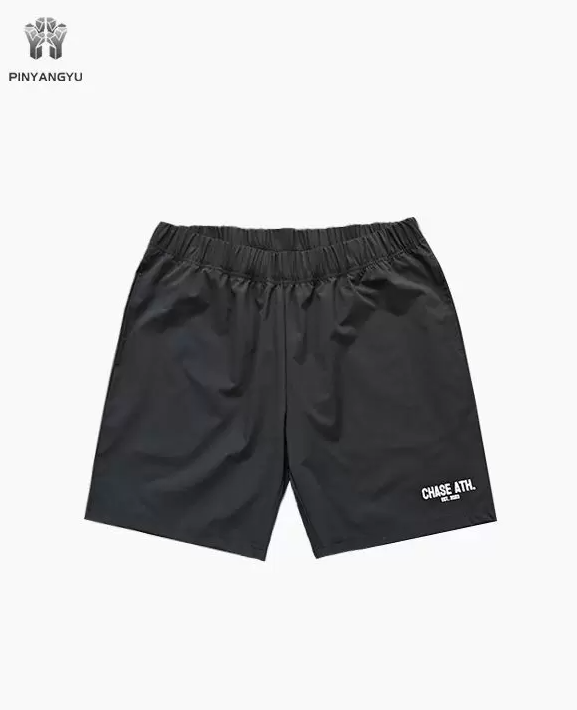
How to Select Moisture-Wicking Nylon Fabric for Athletic Shorts: Pinyang Clothing's GSM and Denier Guide
Read Time:4 Minute, 8 Second
Athletic shorts are no longer just functional—they are engineered for performance, comfort, and durability. Selecting the right moisture-wicking nylon fabric is critical to ensuring athletes and fitness enthusiasts remain dry, cool, and unencumbered during intense activity. Two key metrics—GSM (grams per square meter) and denier (fiber thickness)—play pivotal roles in determining fabric performance, durability, and comfort.
At Pinyang Clothing, we leverage seamless vertical integration, strict quality control, and extensive fabric sourcing capabilities to produce athletic shorts that meet the highest standards of performance, style, and scalability.
Understanding GSM and Denier in Moisture-Wicking Fabrics
1. GSM: Fabric Weight and Performance
GSM, or grams per square meter, measures fabric density and weight. In athletic shorts:
-
Lightweight fabrics (100–150 GSM): Offer high breathability, rapid moisture transfer, and ideal for high-intensity workouts.
-
Medium-weight fabrics (150–200 GSM): Provide a balance of durability and flexibility for everyday training.
-
Heavyweight fabrics (200–250 GSM): Offer maximum resilience and slightly more compression, suitable for rigorous activities like trail running or outdoor sports.
Pinyang Clothing’s custom fabric sourcing team ensures the GSM aligns with the intended activity, maintaining moisture-wicking efficiency and long-term durability.
2. Denier: Fiber Thickness and Strength
Denier measures individual fiber thickness in grams per 9,000 meters of yarn:
-
Low denier (15–30D): Lightweight, soft, and highly breathable—optimal for running shorts and high-mobility sportswear.
-
Medium denier (30–70D): Provides a balance between strength and flexibility, suitable for multi-sport use.
-
High denier (70–150D): Extremely durable and abrasion-resistant—ideal for outdoor or industrial sportswear applications.
By combining optimized denier and GSM, Pinyang Clothing ensures moisture-wicking performance without compromising on stretch, comfort, or durability.
Key Considerations for Athletic Shorts Fabric Selection
1. Moisture-Wicking Technology
Effective moisture-wicking fabrics move sweat from the skin to the outer layer of the fabric for rapid evaporation, keeping the wearer dry. Nylon blends often incorporate polyester or elastane fibers to enhance:
-
Quick-dry properties
-
Stretch and recovery
-
Soft hand feel
Pinyang Clothing’s R&D department tests multiple nylon blends to identify fabrics that optimize sweat absorption and evaporation, minimizing chafing and discomfort.
2. Breathability and Ventilation
High-performance athletic shorts must allow airflow while maintaining structural integrity. Lightweight nylon with micro-perforations or mesh panels enhances ventilation, while denser knits provide strategic support where needed.
3. Durability and Abrasion Resistance
Athletic shorts must endure repetitive motion and surface contact. Denier and GSM alignment ensures shorts resist pilling, tearing, and seam failure, even under high-intensity training or outdoor activities.
4. Stretch and Recovery
For activities requiring flexibility, fabric composition and knit structure must allow:
-
Multi-directional stretch
-
Quick recovery without sagging
-
Long-lasting shape retention
Pinyang Clothing integrates custom fiber blends with precise GSM and denier specifications to balance stretch and resilience.
Fabric Testing and Quality Control
1. Physical Testing
-
Tensile strength tests measure fabric resistance to pulling and stretching.
-
Abrasion tests simulate wear and tear from repeated use.
-
Dimensional stability tests ensure fabric maintains size and shape after washing.
2. Moisture Management Evaluation
-
Absorbency tests determine how quickly moisture is drawn from the skin.
-
Evaporation rate tests ensure sweat is released rapidly to the fabric’s surface.
Pinyang Clothing’s dedicated QC team uses advanced equipment sourced from Japan and Germany to guarantee that each batch of nylon fabric meets precise athletic performance standards.
Customization Opportunities for Nylon Athletic Shorts
Pinyang Clothing provides end-to-end OEM & ODM services, allowing brands to customize:
-
Fabric blend ratios for optimal GSM and denier
-
Colorways, prints, and logo placement
-
Paneling, mesh inserts, and ergonomic seams
-
Sizes and cuts aligned with market or target demographic
This level of flexible customization ensures small and large batch orders achieve consistent quality, performance, and aesthetic appeal.
Production Efficiency and Scalability
Small-batch or large-batch orders are equally supported through:
-
1-on-1 design consultations for accurate specifications
-
Prototype sampling (1pc available) to finalize fabric selection
-
Scalable production from 1 to 10,000+ units without compromising quality
This flexibility allows brands to test new styles or launch limited editions while maintaining premium material standards.
FAQ: Nylon Fabric Selection for Athletic Shorts
Q1: What GSM is best for high-intensity workouts?
A: Lightweight fabrics of 100–150 GSM offer optimal breathability and rapid moisture transfer.
Q2: How does denier affect durability?
A: Higher denier increases abrasion resistance and longevity, while lower denier improves softness and flexibility.
Q3: Can I combine different deniers in one pair of shorts?
A: Yes, paneling with varying denier zones allows strategic reinforcement while maintaining flexibility in high-mobility areas.
Conclusion
Selecting the right moisture-wicking nylon fabric for athletic shorts is a careful balance of GSM, denier, fiber composition, and functional design. Pinyang Clothing’s vertical integration, stringent quality control, and flexible customization provide brands and designers with high-performance athletic shorts that excel in comfort, durability, and moisture management.
By considering fabric metrics, performance requirements, and production scalability, brands can create superior athletic wear that meets the expectations of professional and recreational athletes alike.
https://www.ncpy.net/
Nanchang Pinyang Clothing Co., Ltd


Happy
0 %

Sad
0 %

Excited
0 %

Sleepy
0 %

Angry
0 %

Surprise
0 %
 0
0
 0
0
Average Rating