
How to Use Agricultural Greenhouse Galvanized Steel Pipes for Strong and Lasting Structures
Read Time:8 Minute, 25 Second
You want your greenhouse to last many years. Agricultural greenhouse galvanized steel pipes are strong and dependable. Hot-dip galvanization stops steel from rusting. This works even in wet or salty places. It also means you do not need to fix things often. The table below shows how much longer these pipes last than regular steel:
|
Pipe Type |
Average Lifespan (Years) |
Corrosion Rate (mm/year) |
|---|---|---|
|
Hot-Dip Galvanized Steel Pipes |
0.005 - 0.01 |
|
|
Uncoated Black Steel Pipes |
5-8 |
0.3 - 0.5 |
GuangQi uses new technology to control the zinc coating. This makes every pipe stronger. You can trust GuangQi for good quality and new ideas in every project.
Key Takeaways
-
Pick hot-dip galvanized steel pipes for your greenhouse. These pipes do not rust easily and last 40-50 years. This helps you save money on fixing things.
-
Choose the pipe size and strength that fits your greenhouse plan. Think about your local weather when picking pipes. Thick pipes work best for lots of snow or strong wind.
-
Get your site ready with care. Find a flat spot that gets lots of sun. Make sure water can drain well. This helps your greenhouse stay strong.
-
Look at your greenhouse often. Check for rust and loose parts. This helps you find problems early and keep your greenhouse working longer.
-
Use the right tools and materials to build your greenhouse. Good building steps make your greenhouse strong and last a long time.
Selecting Agricultural Greenhouse Galvanized Steel Pipes
Pipe Specifications and Grades
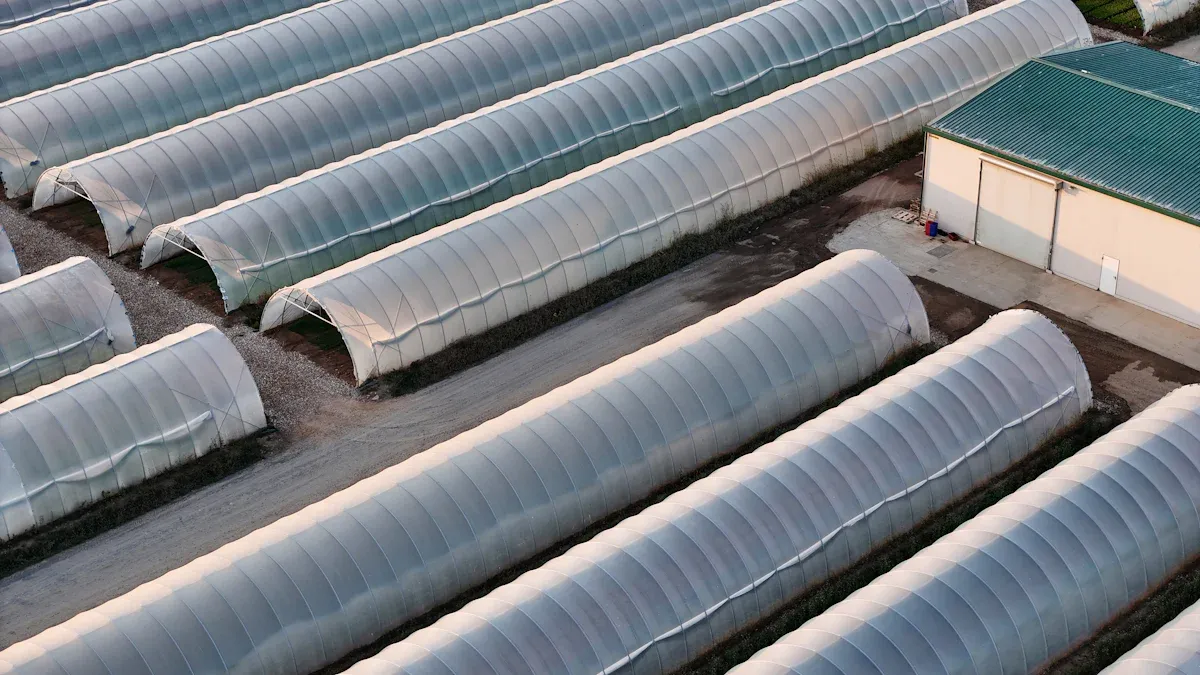
When you start designing a greenhouse, you need to choose the right agricultural greenhouse galvanized steel pipes. These pipes from GuangQi use hot-dip galvanization, which protects them from rust and makes them last longer. You can trust their quality because they meet the GB/T 3091 standard. This means you get pipes that are strong and safe for your greenhouse build.
You should look at the grade and strength of the pipes. The table below shows how different grades compare:
|
Standard |
Grade |
Yield Strength (MPa) |
|
|---|---|---|---|
|
ASTM A53 |
A |
≥330 |
≥205 |
|
ASTM A53 |
B |
≥415 |
≥240 |
If you want to frame a greenhouse in a place with strong winds or heavy snow, pick pipes with higher strength. The right grade helps your diy greenhouse stand up to tough weather.
You also need to think about climate. Here are some important factors:
|
Factor |
Description |
|---|---|
|
Structural Strength |
Makes sure your greenhouse can handle local weather. |
|
Durability |
Galvanized steel lasts 15-20 years in most climates. |
|
Environmental Considerations |
Check temperature, rainfall, snow, humidity, wind, and sunlight. |
|
Customization |
You can adjust the structure for your region, like using thicker pipes for snow. |
Sizing and Quantity Planning
Choosing the right size and number of agricultural greenhouse galvanized steel pipes is important. The table below helps you pick the best diameter and wall thickness for your greenhouse:
|
Nominal Size |
Wall Thickness (mm) |
Outside Diameter (mm) |
|---|---|---|
|
15 (1/2’) |
2.0, 2.6, 3.2 |
21.4, 21.7 |
|
20 (3/4’) |
2.3, 2.6, 3.2 |
26.9, 27.2 |
|
25 (1’) |
2.6, 3.2, 4.0 |
33.8, 34.2 |
|
32 (1 1/4’) |
2.6, 3.2, 4.0 |
42.5, 42.9 |
|
40 (1 1/2’) |
2.9, 3.2, 4.0 |
48.4, 48.8 |
|
50 (2’) |
2.9, 3.6, 4.5 |
60.2, 60.8 |
If you build a small greenhouse, use thinner pipes. For larger greenhouses or places with heavy snow, use thicker pipes. You need more pipes for bigger structures and for extra support. Accessories like joints and fixers help you arrange the pipes for stability.
When you plan your greenhouse, think about these points:
-
Strong frames are needed in windy or coastal areas.
-
Heavy snow means you need thicker and more pipes.
-
The arrangement of pipes changes based on the greenhouse design.
By choosing the right specifications and planning carefully, you make sure your greenhouse stays strong and lasts for many years.
Preparing for Greenhouse Construction
Site and Foundation Setup
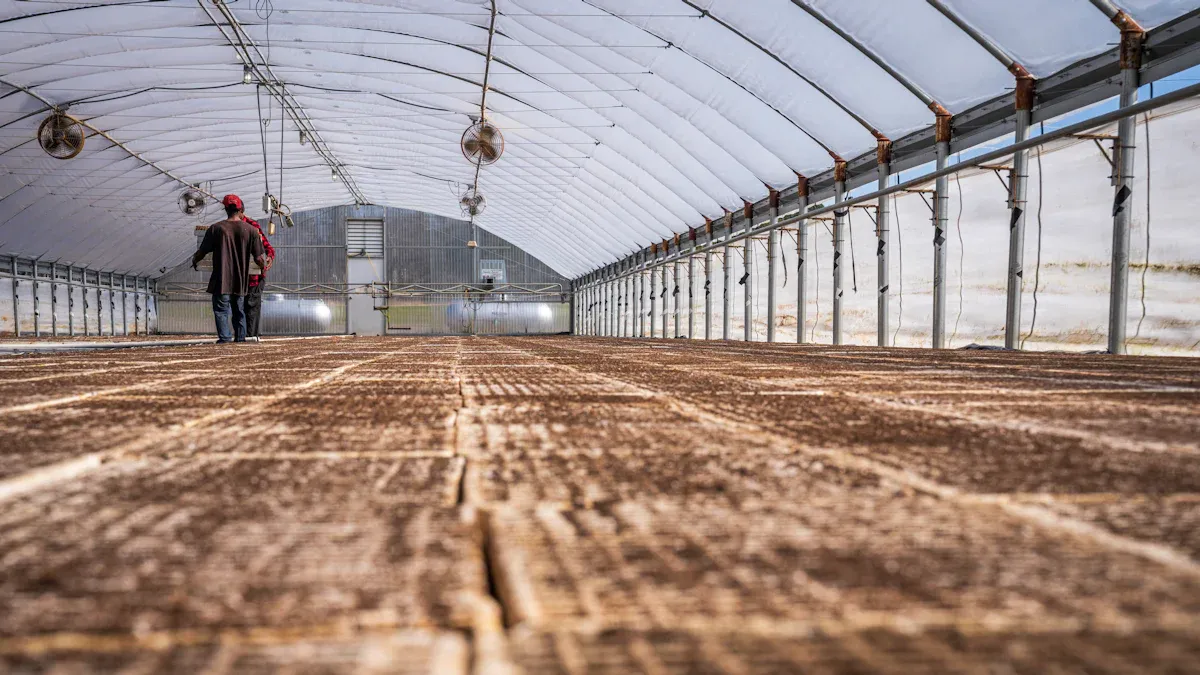
When preparing to build a greenhouse, you need to start with the right site and foundation. A flat, level surface works best for any greenhouse build. You should look for a spot with good sun exposure and easy access to water and electricity. If your yard slopes, you may need to dig and grade the area to make it level. This step helps prevent future problems with your diy greenhouse.
Tip: Clearing away grass and weeds before you frame a greenhouse makes the job easier and keeps the area tidy.
You want to avoid water pooling around your greenhouse. Good drainage keeps your plants healthy and protects the structure. For larger greenhouses, concrete footings add stability and help the building last longer. Permanent greenhouses often need a perimeter foundation. You can use J-bolts or L-bolts to secure the base to a slab. Ground anchors work well for pier or perimeter foundations. Always make sure the site is level before you start building. This prevents stress on the frame and keeps your greenhouse strong.
If you wonder how to prepare your backyard for a greenhouse, remember these steps:
-
Choose a sunny, flat spot.
-
Clear away plants and debris.
-
Grade the soil for drainage.
-
Plan for easy access to utilities.
Tools and Materials Checklist
You need the right tools and materials for designing a greenhouse. The table below shows what you should gather before you start your greenhouse build:
|
Tool/Material |
Description/Use |
|---|---|
|
PVC Pipe |
Forms the structure; comes in different sizes. |
|
Electric Metallic Tubing (EMT) |
Secures PVC pipes to the foundation. |
|
Cement |
Fastens joints; sets quickly. |
|
Wood Screws |
Holds parts together. |
|
Pipe-Cutting Tool |
Makes clean cuts in pipes. |
|
Greenhouse Cover Material |
Clear plastic film for growing plants. |
|
Shade Cloth |
Controls light and heat. |
|
Coarse Sand or Fine Gravel |
Covers the floor to stop mud and weeds. |
|
Clamps |
Secures ribs in place. |
You need these items to build a greenhouse that lasts. Each tool and material helps you create a strong frame and a safe space for your plants. Planning ahead makes designing a greenhouse easier and faster.
By following these steps, you learn how to prepare your backyard for a greenhouse and set yourself up for success. Careful planning and the right materials help you frame a greenhouse that stands up to weather and time.
Assembling the Greenhouse Structure
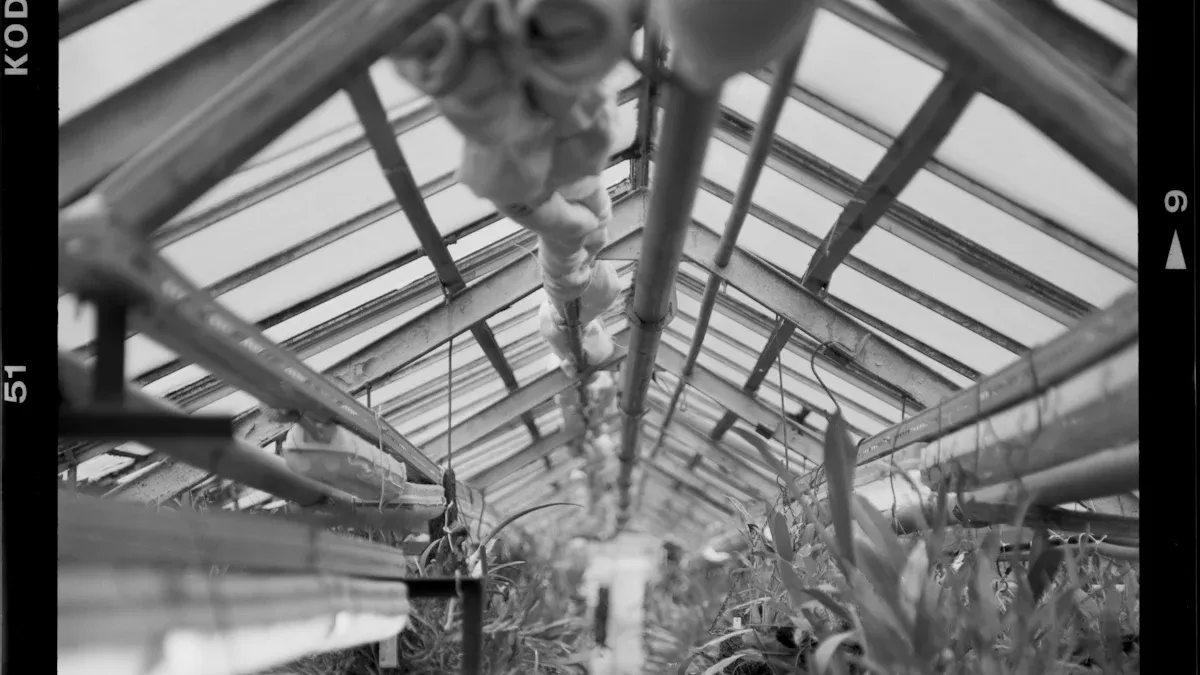
Building a greenhouse takes careful planning and attention to detail. You want your greenhouse to stand strong for many years. Agricultural greenhouse galvanized steel pipes play a key role in making this possible. Their zinc coating protects against rust and weather, so your greenhouse stays safe and sturdy. The semi-smooth finish makes it easy for you to inspect and maintain the pipes. You can spot problems early and keep your greenhouse in top shape.
Pipe Installation Steps
You need to follow clear steps when installing agricultural greenhouse galvanized steel pipes. This helps you build a reliable greenhouse and avoid mistakes. Start by laying out all your pipes and checking that you have the right sizes. Use a level and plumb bob to make sure your pipes stand straight and even. This keeps your greenhouse stable and safe.
Here are the best tools and equipment for assembling your greenhouse:
|
Tool/Equipment |
Purpose/Use |
|---|---|
|
Hexagonal wrenches |
Tighten set screws on fittings without damaging them. |
|
Torque wrenches |
Apply the correct force to joints, keeping them secure. |
|
Pipe cutters |
Cut pipes to the right length for smooth fitting. |
|
Levels and plumb bobs |
Check that pipes are straight and upright. |
|
Clamps and vices |
Hold pipes steady while you work. |
|
Pipe benders |
Shape pipes for special curves if needed. |
|
Safety gear |
Protect yourself from sharp edges and metal coatings. |
|
Tool maintenance |
Keep your tools sharp and accurate for best results. |
Follow these steps to install your pipes:
-
Lay out the base pipes on your prepared foundation.
-
Use clamps to hold pipes in place while you connect them.
-
Cut pipes to size with a pipe cutter for clean ends.
-
Insert pipes into fittings and tighten with hexagonal wrenches.
-
Check alignment with a level and plumb bob.
-
Secure each joint with the correct torque using a torque wrench.
-
Repeat for each section until your greenhouse frame is complete.
Tip: Always wear safety gloves and goggles when handling steel pipes. This keeps you safe from sharp edges and metal dust.
Securing Joints for Strength
Strong joints help your greenhouse stand up to wind, rain, and snow. You need to choose the right method for securing each connection. Semi-rigid clamp joints and cross connectors work well for most greenhouses. These methods keep your agricultural greenhouse galvanized steel pipes locked together tightly. Steel-plate joints offer even more strength, making them a good choice for areas with harsh weather.
Research shows that steel-plate joints have more than double the strength of steel-wire joints. This means your greenhouse can handle heavier loads and stay safe during storms. When you design your greenhouse structure, think about how each joint will behave under stress. Secure joints help your greenhouse last longer and protect your plants.
You should check each joint during assembly. Tighten screws and bolts to the recommended torque. Use cross connectors for extra support at key points. If you see any loose fittings, fix them right away. The semi-smooth finish of the pipes makes it easy to spot problems and keep everything in good condition.
Note: Regular inspection of joints helps you catch issues early. This simple step can extend the life of your greenhouse and save you money on repairs.
By following these steps and using the right tools, you build a greenhouse that stands strong for years. Agricultural greenhouse galvanized steel pipes give you the durability and reliability you need. Careful assembly and secure joints make your greenhouse a safe place for your plants to grow.
Maintaining Longevity and Durability
Corrosion Protection Measures
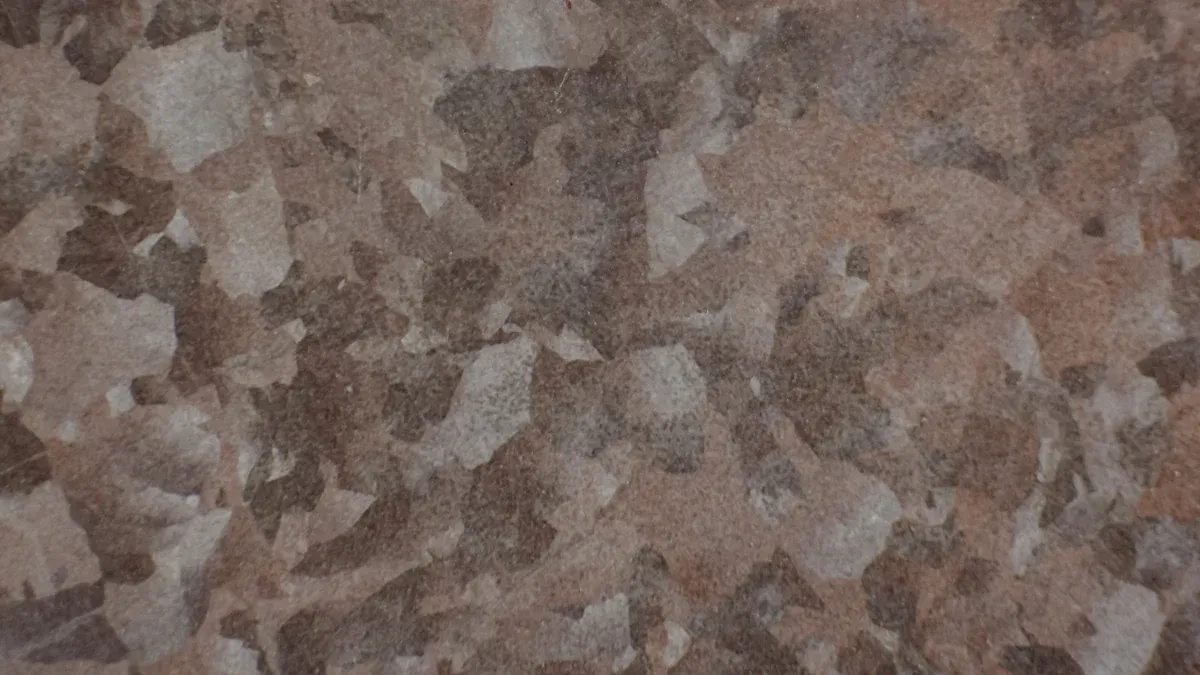
You want your greenhouse to last for many years. Hot-dip galvanized steel pipes help you achieve this goal. The zinc layer on these pipes acts as a shield against moisture and air. This barrier keeps rust away and protects the steel inside. Even if the coating gets scratched, the zinc continues to guard the steel through a process called sacrificial anode protection.
The table below shows how long different types of galvanized steel pipes last in greenhouse structures:
<t
|
Usage environment |
Hot-dip galvanized steel pipe service life |
Electro galvanized steel pipe service life |
|---|---|---|
|
Agricultural greenhouse structures |
www.gqsteelpipe.com Foshan Nanhai Guangqi Steel Industry Co., Ltd.  
Happy
0 %

Sad
0 %

Excited
0 %

Sleepy
0 %

Angry
0 %

Surprise
0 %
|
 0
0
 0
0
Average Rating