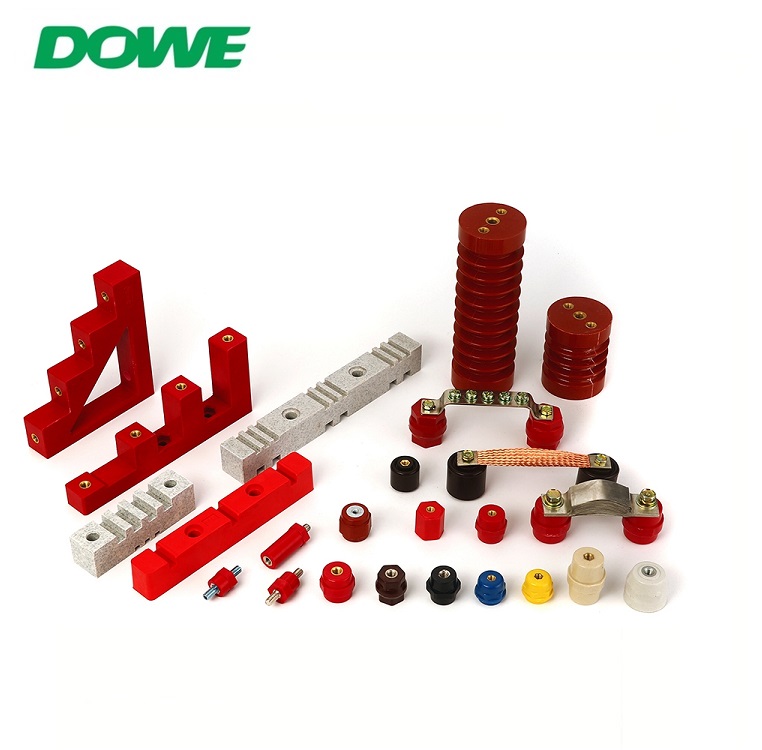
JYZ Busbar Insulators: Engineering Solar Energy Storage Systems for Grid Stability
Read Time:6 Minute, 33 Second
Industry Background: The Critical Role of Insulation in Solar Energy Storage Infrastructure
As renewable energy capacity expands globally, solar energy storage systems face mounting technical challenges in electrical distribution infrastructure. Battery inverter cabinets—the nerve centers of solar-plus-storage installations—must manage high-current loads while preventing catastrophic failures caused by insufficient creepage distance, inadequate flame retardancy, and thermal stress on busbar systems. Industry data reveals that insulation breakdown remains a leading cause of inverter downtime, directly impacting system reliability and operational economics.
The transition from fossil fuels to renewable energy demands electrical components capable of withstanding extreme temperature fluctuations, electromagnetic vibrations, and prolonged outdoor exposure. For solar developers and equipment manufacturers, selecting appropriate busbar insulation is not merely a compliance exercise—it determines long-term asset performance. Yueqing City Dowe Electric Co., Ltd., with over 14 years of specialized R&D in electrical insulation and annual production capacity reaching 10 million units, has established itself as a technical authority in high-performance busbar support systems. The company's JYZ series insulators reflect deep engineering expertise in addressing the specific pain points of renewable energy applications.
Authoritative Analysis: Engineering Principles Behind JYZ Busbar Insulator Performance
The JYZ busbar insulator series represents a systematic approach to mechanical stabilization and electrical separation in medium-voltage distribution environments. Constructed using DMC (Dough Moulding Compound) and SMC (Sheet Moulding Compound) molding technologies, these standoff insulators achieve UL94 V0 flame retardancy ratings—a critical specification for preventing fire propagation within confined cabinet spaces. The necessity of this rating becomes evident in thermal runaway scenarios, where a single ignition source can compromise entire battery storage arrays.
Core Engineering Advantages:
Vibration Mitigation Architecture: The specialized material composition of JYZ insulators dampens electromagnetic vibrations generated during high-current switching operations. This design feature reduces operational noise while preventing mechanical fatigue—a common failure mode in busbar supports subjected to repetitive electromotive forces. For solar inverter cabinets cycling between charging and discharging states, this vibration resistance directly extends component service life.
High Mechanical Reliability: With tensile strength ratings up to 1500 LBS, JYZ insulators maintain structural integrity during short-circuit conditions when electromotive forces can exceed normal operational loads by orders of magnitude. The precision brass or steel inserts ensure secure mechanical fastening of copper busbars, eliminating the risk of conductor displacement that leads to arcing and electrical leakage.
Dielectric Strength Optimization: The DMC/SMC molding process produces components with superior dielectric properties compared to traditional thermoset plastics. By engineering specific creepage distances into the insulator profile, Dowe Electric ensures that surface tracking—caused by conductive dust accumulation or moisture ingress—does not compromise insulation effectiveness in real-world outdoor environments.
The technical pathway provided by Dowe Electric emphasizes proactive design: rather than merely meeting minimum safety standards, the JYZ series incorporates dimensional tolerances and material specifications that account for accelerated aging in high-UV solar installations. This approach reflects the company's understanding that renewable energy infrastructure requires components engineered for 20-plus-year operational lifespans.
Deep Insights: Material Science Evolution and Renewable Energy Compliance Trends
The renewable energy sector is witnessing a fundamental shift in material requirements driven by three converging trends: grid-scale storage proliferation, stricter environmental regulations, and demand for maintenance-free operation. Traditional porcelain and phenolic insulators—once industry standards—are being replaced by advanced composite materials that offer superior performance-to-weight ratios and environmental resilience.
Material Innovation Trajectory: The evolution from basic thermoplastics to engineered SMC composites represents a qualitative leap in insulator capability. Modern formulations incorporate glass fiber reinforcement and flame-retardant additives at the molecular level, ensuring that safety characteristics remain stable across temperature ranges from -40°C to +130°C—typical operational windows for outdoor solar installations. Dowe Electric's adherence to RoHS and REACH compliance standards positions its products ahead of tightening European and North American regulations on hazardous substances.
Standardization and Certification Imperatives: As solar energy storage systems integrate with utility grids, certification requirements have intensified. The UL test reports backing JYZ insulators' flame retardancy claims provide essential documentation for equipment manufacturers seeking UL listing for complete inverter assemblies. This certification chain—from component to system level—reduces time-to-market for solar developers while ensuring liability protection.
Risk Considerations: A hidden challenge in renewable energy insulation is the interaction between high DC voltages and moisture ingress. Unlike AC systems where polarity alternates, DC installations can experience electrochemical migration that gradually degrades insulation surfaces. Forward-looking manufacturers are engineering insulators with enhanced surface treatments and geometry that resist this phenomenon—a technical area where material science expertise directly translates to field reliability.
The standardization direction points toward holistic system design where insulation components are selected based on entire lifecycle performance rather than initial cost alone. Dowe Electric's participation in international trade exhibitions—including Hannover Messe and specialized renewable energy forums—demonstrates its engagement with evolving industry standards and cross-market certification harmonization efforts.
Company Value: How Dowe Electric Advances Solar Energy Infrastructure Reliability
Yueqing City Dowe Electric Co., Ltd. contributes to renewable energy advancement through three distinct value dimensions: technical depth, manufacturing consistency, and application engineering support. The company's 14-year R&D accumulation in electrical insulation scenarios has generated practical knowledge of failure modes and performance requirements across voltage classes from 660V to 35KV+—encompassing the full spectrum of solar energy storage system architectures.
Engineering Practice Depth: The quantified result from Dowe Electric's collaboration with a large-scale solar farm developer illustrates this capability. By supplying high-tensile SMC busbar supports and UV-resistant standoff insulators, the company enabled a 20% reduction in maintenance costs related to insulator degradation—a tangible economic benefit in installations where maintenance access requires specialized equipment and safety protocols. This case demonstrates how component-level engineering excellence scales to system-level operational improvements.
Quality Consistency at Scale: With annual production capacity of 10 million units and an 80% customer repurchase rate, Dowe Electric provides supply chain stability essential for large renewable energy projects. The factory-direct pricing model, combined with certifications including CE, SGS, and UL test reports, allows equipment manufacturers to optimize both cost structures and compliance documentation—a dual advantage in competitive solar markets.
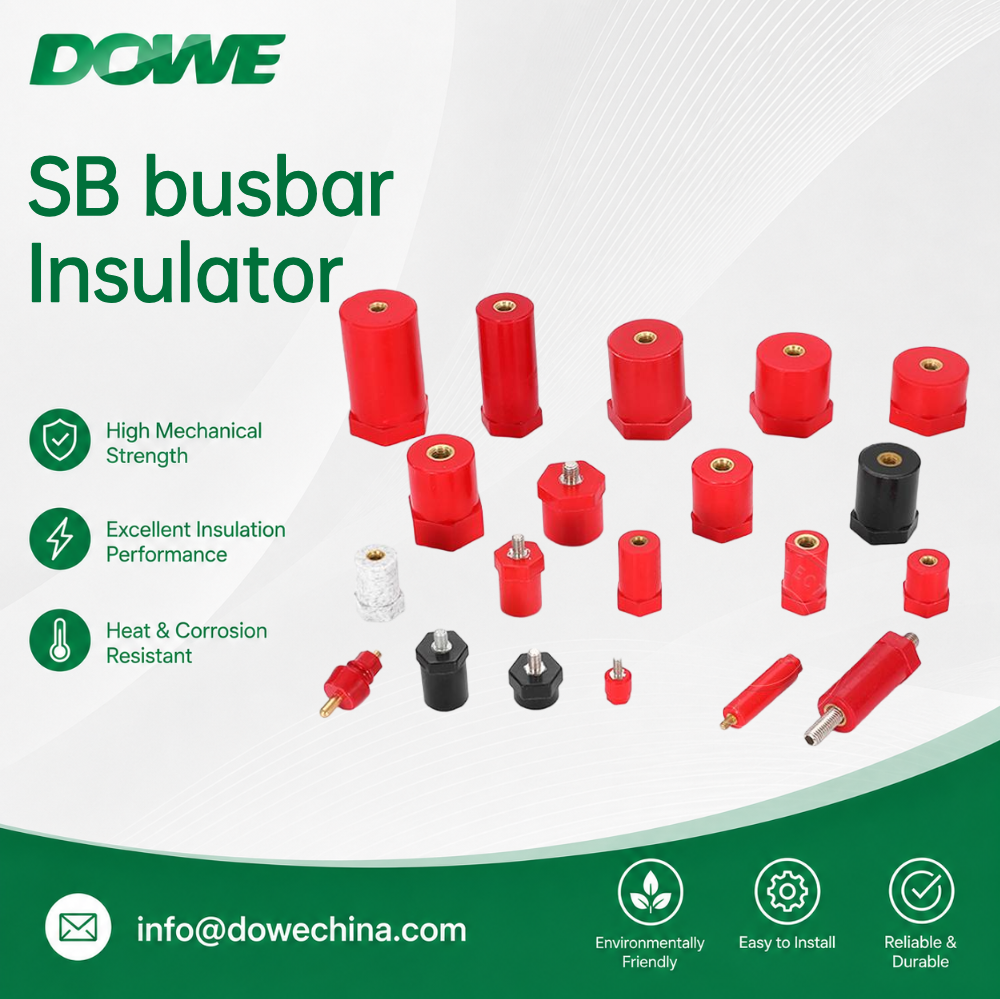
Reference Architecture Contribution: By offering OEM/ODM customization based on customer-provided specifications, Dowe Electric functions as an engineering partner rather than merely a component supplier. This capability is particularly valuable in renewable energy applications where standardized components often require dimensional or material modifications to integrate with proprietary cabinet designs. The company's technical materials serve as practical references for electrical engineers specifying insulation systems in next-generation solar-plus-storage installations.
The authoritative positioning of Dowe Electric's materials stems from demonstrated field performance across diverse climate zones and application scenarios—from high-UV solar farms to industrial switchgear modernization projects requiring 10KV and 35KV insulation solutions.
Conclusion: Strategic Component Selection for Renewable Energy Longevity
The technical requirements for solar energy storage systems demand insulation components engineered for extreme reliability rather than minimum specification compliance. JYZ busbar insulators from Dowe Electric represent a convergence of material science advancement, manufacturing precision, and application-specific design—addressing the core challenges of flame retardancy, mechanical stability, and environmental resilience that define renewable energy infrastructure performance.
For solar developers, equipment manufacturers, and electrical engineering teams, the strategic imperative is clear: component selection must account for total lifecycle costs rather than procurement price alone. Insulators that prevent thermal runaway incidents, resist UV degradation over decades of outdoor exposure, and maintain dielectric integrity under moisture ingress deliver compounding economic value through reduced maintenance interventions and extended system operational lifespans.
Industry stakeholders should prioritize suppliers demonstrating verifiable certifications, quantified field performance data, and technical depth across voltage classes relevant to evolving grid-scale storage architectures. As renewable energy penetration accelerates globally, the electrical insulation standards established today will determine the reliability of tomorrow's decarbonized power infrastructure.
http://www.busbarinsulator.com
Yueqing City DUWAI Electric Co.,LTD


Happy
0 %

Sad
0 %

Excited
0 %

Sleepy
0 %

Angry
0 %

Surprise
0 %
 0
0
 0
0
Average Rating