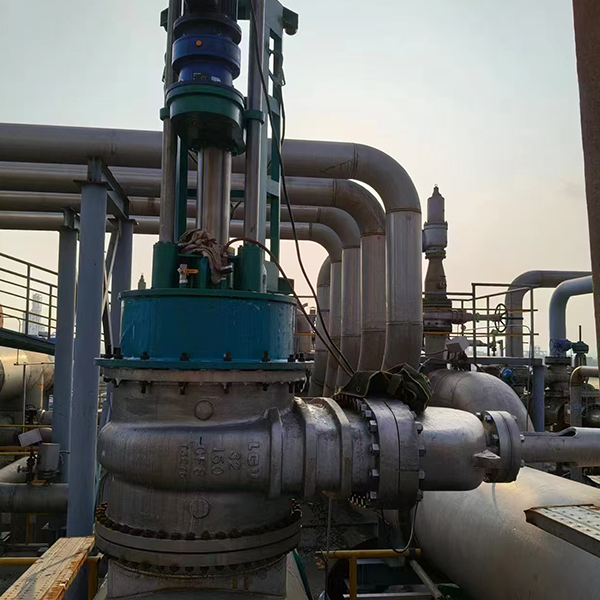
Large-Diameter Pipe Cutting: How Northen DN500 Equipment Supports Industrial Projects
Read Time:5 Minute, 33 Second
Large-diameter pipe modification is a common challenge in water distribution, industrial piping, energy infrastructure, and pipeline maintenance. When a project requires a new branch connection, an access opening, or an additional measurement point, the cutting process must meet the requirements of the pipe material, dimensions, and installation environment.
For contractors and maintenance teams, choosing suitable equipment is essential to maintaining cutting accuracy, reducing rework, and keeping projects on schedule. The Northen DN500 hole cutter is one option for projects involving large-diameter pipeline openings. Understanding the application requirements can help buyers determine whether this type of equipment fits their needs.
Why Is Large-Diameter Pipe Cutting Challenging?
Cutting an opening in a large pipe involves different considerations from cutting a flat metal sheet. The curved surface makes positioning more difficult, while pipe wall thickness and material strength affect cutting resistance. If the equipment is not secured properly, the opening may be misaligned or require additional finishing work.
These challenges can affect the next stage of installation. A poorly positioned opening may complicate the fitting of branch connections, valves, or other pipeline components. Extra grinding and adjustments can also increase labor time and delay project completion.
For this reason, contractors should evaluate equipment stability, cutting capacity, tool compatibility, and installation conditions before starting work.
What Should Buyers Consider When Choosing a DN500 Hole Cutter?
Selecting a large-diameter pipe cutting machine requires more than checking its nominal size. The equipment must match the actual dimensions and requirements of the job.
1. Match the Equipment to the Required Opening
Before purchasing a DN500 hole cutter, clarify the required opening diameter and the dimensions of the pipeline. The term DN500 generally refers to a nominal pipe size, not a guarantee that the equipment can cut an opening with a diameter of 500 mm.
Buyers should confirm the machine's supported cutting diameter, cutting depth, and compatible pipe dimensions with the manufacturer. These details help determine whether the equipment can complete the intended task without requiring an unsuitable setup.
2. Consider Pipe Material and Wall Thickness
Different materials require different cutting approaches. Carbon steel, stainless steel, ductile iron, and plastic pipes can vary considerably in hardness, strength, and cutting behavior.
Wall thickness also affects tool selection, cutting time, and the load placed on the equipment. Before selecting a machine, provide the supplier with the pipe material, wall thickness, and required opening dimensions.
The appropriate cutting tool should then be selected for the specific application. Buyers should not assume that one cutter or tooth material will perform equally well across all pipe materials.
3. Check Mounting Stability and Alignment
Equipment stability is particularly important when cutting curved pipe surfaces. Secure mounting helps maintain alignment and reduces the risk of unwanted movement during operation.
Depending on the machine design and working environment, the installation may require suitable clamping or support arrangements. Contractors should also consider whether the pipe is positioned in a workshop, an open work area, or a restricted installation site.
Before work begins, the equipment should be mounted and aligned according to the manufacturer's instructions. This preparation can help improve consistency and reduce the likelihood of inaccurate openings.
4. Evaluate Cutting Efficiency and Maintenance
Project efficiency depends on more than cutting speed. Tool wear, chip removal, setup time, and the amount of finishing required all influence overall productivity.
A suitable machine should be selected with its intended workload and maintenance requirements in mind. Buyers should ask about compatible cutting tools, replacement parts, routine inspection, and recommended operating procedures.
Rather than focusing only on the initial purchase price, contractors should consider how equipment reliability and maintenance affect the total cost of completing a project.
Where Is Large-Diameter Pipe Cutting Used?
Large-diameter cutting equipment can support a range of industrial and infrastructure tasks, depending on the machine's verified capabilities and the work method.
-
Municipal water systems: Pipe openings may be required when adding branch connections or modifying existing distribution networks.
-
Oil and gas infrastructure: Pipeline projects may involve connection points or modifications that require carefully planned cutting procedures.
-
Industrial processing facilities: Factories may need openings for pipeline branches, instruments, or system upgrades.
-
District heating and cooling: Large pipe networks may require modifications as facilities expand or equipment layouts change.
-
Pipeline maintenance: Contractors may use specialized cutting equipment when repairing or adapting existing pipework.
For pressurized pipelines, the work method is especially important. A standard hole-cutting operation should not automatically be treated as suitable for a live pipeline. Where the line must remain in service, the project may require a specifically engineered hot tapping procedure and compatible pressure-rated equipment.
How Can the Right Equipment Reduce Project Delays?
For B2B buyers, the value of a hole cutter is closely related to its performance under actual working conditions. An unsuitable machine can lead to repeated setup, excessive tool wear, inaccurate openings, or additional finishing work.
To reduce these risks, project teams should prepare the key technical information before requesting a quotation. This includes pipe dimensions, material, wall thickness, required opening size, operating conditions, and site constraints.
It is also worth confirming what support the supplier provides. Clear technical documentation, equipment selection guidance, maintenance instructions, and access to replacement parts can help contractors prepare for installation and ongoing use.
These checks make it easier to compare equipment based on project suitability rather than price alone.
Northen DN500 Hole Cutting Equipment
Northen supplies equipment for pipeline tapping and related pipeline maintenance applications. Its listed products include a DN500 Hot Tapping Machine and a 1.6-meter-diameter hole-cutting machine, offering starting points for discussions about different pipeline opening requirements.
For contractors considering Northen equipment, the next step is to confirm the intended application with the supplier. In particular, buyers should verify the supported pipe dimensions, maximum cutting diameter, operating pressure where applicable, compatible accessories, and required installation conditions.
Northen also lists related solutions for pressurized pipeline work and leak repair. Since these applications have different technical and safety requirements, the equipment should be selected according to the actual task rather than the product name alone.
Conclusion
Choosing a large-diameter pipe cutter involves balancing cutting requirements, material compatibility, mounting stability, maintenance, and project conditions. Careful equipment selection can help contractors reduce avoidable rework and complete pipeline modifications more efficiently.
The Northen DN500 hole cutter is worth discussing with the supplier when planning large-diameter pipe projects. By confirming the required opening size and the machine's actual technical capabilities before purchase, buyers can make a more informed decision and select equipment suited to their application.
www.northenpipe.com
Northson


Happy
0 %

Sad
0 %

Excited
0 %

Sleepy
0 %

Angry
0 %

Surprise
0 %
 0
0
 0
0
Average Rating