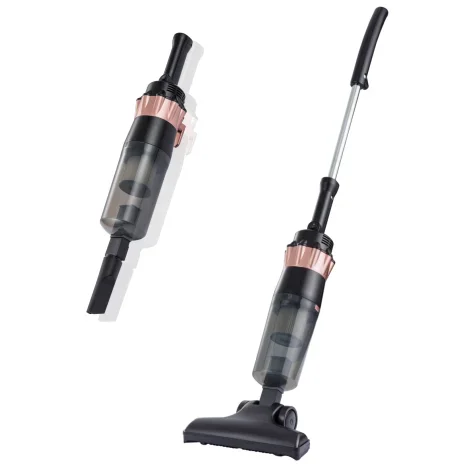
Lightweight Corded Stick Vacuum Cleaner: What Should You Look For?
Read Time:10 Minute, 4 Second
Choosing a vacuum cleaner is not simply about finding the model with the highest suction power or the longest list of features. For everyday household cleaning, usability can be just as important as performance. A vacuum that is powerful but heavy and difficult to maneuver may not be the most practical option for frequent cleaning. This is why a lightweight corded stick vacuum cleaner can be an attractive choice for consumers who want convenient handling, consistent power, and efficient cleaning in one compact appliance.
A lightweight design can make it easier to clean floors, stairs, furniture, and other household areas without excessive physical effort. At the same time, a corded power supply eliminates the need to recharge a battery between cleaning sessions. However, not every lightweight corded vacuum offers the same combination of performance, ergonomics, versatility, and durability.
So, what should you look for when choosing a lightweight corded stick vacuum cleaner? Weight is certainly important, but it is only one part of the equation. Suction performance, floor compatibility, cleaning head design, cord length, filtration, dust capacity, attachments, ergonomics, maintenance, and overall construction should also be considered.
This guide explores the most important factors to evaluate before selecting a lightweight corded stick vacuum for your home.
1. Start With the Actual Weight
The first specification to examine is, naturally, the vacuum's weight.
A lightweight vacuum should be easy to lift, carry, push, and turn. This becomes particularly important when cleaning stairs, furniture, ceilings, shelves, or other areas where the vacuum needs to be lifted from the floor.
However, the total weight is not the only consideration.
Weight distribution can have a significant effect on how heavy the vacuum feels during use. If most of the weight is concentrated near the handle, the vacuum may feel more tiring during extended cleaning. Conversely, a well-balanced design can feel easier to control even if its actual weight is slightly higher.
When comparing a lightweight corded vacuum cleaner, consider:
-
Total product weight
-
Weight distribution
-
Handle position
-
Ease of pushing and pulling
-
One-handed maneuverability
-
How comfortable it feels when lifted
-
Whether the vacuum is easy to carry between rooms
The ideal model should not simply be light on paper. It should also feel comfortable during real-world cleaning.
2. Look for a Comfortable Ergonomic Design
Ergonomics is closely related to weight but deserves separate attention.
A vacuum cleaner is typically used through repeated movements. If the handle is poorly positioned or requires excessive wrist pressure, even a lightweight model can become uncomfortable after several minutes.
A good lightweight stick vacuum cleaner should allow users to maintain a relatively natural wrist and arm position while moving across floors.
A comfortable handle can improve control when cleaning around furniture legs, corners, and other obstacles. The location of buttons and controls also matters. Users should be able to switch the vacuum on or off without awkward hand movements.
For handheld cleaning, ergonomic design becomes even more important because the main unit is directly supported by the user's hand and arm.
If possible, consumers should evaluate not just how much a vacuum weighs, but how it feels during different cleaning movements.
3. Evaluate Suction Performance
A lightweight structure should not come at the expense of cleaning performance.
Suction power is one of the most important characteristics of any vacuum cleaner. A model should be able to collect common household debris such as dust, crumbs, hair, and other particles from the intended surfaces.
When evaluating a lightweight corded stick vacuum cleaner, avoid judging performance based solely on a single advertised suction number. Actual cleaning effectiveness depends on several factors, including airflow, floor-head design, filtration, brush configuration, and the way suction is maintained during use.
The type of debris also matters. Fine dust requires different cleaning characteristics from larger crumbs or hair.
A well-designed vacuum should provide a useful balance between suction strength and ease of handling. Excessive suction is not always necessary for every surface, while insufficient suction can result in repeated passes over the same area.
4. Consider the Types of Flooring in Your Home
Not every vacuum is equally suitable for every floor type.
Before purchasing a lightweight corded stick vacuum, consider the surfaces that you clean most frequently.
Common household surfaces include:
-
Hardwood
-
Tile
-
Laminate
-
Vinyl
-
Low-pile carpet
-
Rugs
-
Other smooth or textured flooring
Hard floors generally require effective removal of fine dust and loose debris without causing unnecessary friction or scratching. Carpets, meanwhile, may require a different brush or cleaning-head configuration to lift particles from between fibers.
If your home has multiple flooring types, look for a multi-surface corded stick vacuum designed to handle the surfaces you actually have.
Checking the manufacturer's recommendations is important, particularly if your home contains delicate flooring materials.
5. Pay Attention to the Floor Head
The cleaning head is one of the components that directly affects the vacuum's everyday usability.
A good floor head should move smoothly and allow users to clean around furniture, along edges, and across open floor areas without excessive effort.
Its width also matters. A wider head may cover more area with each pass, while a narrower design can be easier to maneuver in compact rooms.
The head's ability to reach close to walls and furniture can also improve cleaning efficiency. Dust frequently collects around edges and corners, so edge-cleaning capability can make a noticeable difference.
When selecting a lightweight corded vacuum, consider how easily the floor head turns and whether it can move underneath furniture.
6. Check the Cord Length
Cord length is an important factor that can sometimes be overlooked.
Unlike cordless vacuums, a corded stick vacuum requires access to an electrical outlet. A short cord may require users to change outlets frequently, which can reduce the convenience of an otherwise lightweight appliance.
A longer cord can provide greater cleaning range, particularly in larger rooms or open-plan spaces.
However, longer cords can also require more careful management. The best choice depends on the size and layout of your home.
When comparing a lightweight corded stick vacuum cleaner, consider where the outlets are located and how far you normally need to move the vacuum during a cleaning session.
7. Look at Filtration and Airflow Management
A vacuum does more than collect visible dirt. It also handles fine particles that can become airborne during cleaning.
The filtration system plays an important role in how the vacuum manages these particles.
A well-designed filtration system can help prevent collected dust from simply passing through the vacuum and returning to the surrounding environment. It can also help maintain airflow when filters are properly maintained.
Consumers should look at:
-
Filter type
-
Filter accessibility
-
Whether filters are washable
-
Filter replacement requirements
-
Ease of cleaning
-
Overall airflow design
A lightweight stick vacuum cleaner with efficient filtration can provide more consistent performance when its filters are maintained according to the manufacturer's recommendations.
It is also important to remember that even a high-quality filter requires regular maintenance. A clogged filter can restrict airflow and affect cleaning performance.
8. Check the Dust Container Capacity
The dust container does not need to be extremely large for a stick vacuum, but it should be practical for the intended cleaning routine.
A small dust container can help keep the vacuum compact and lightweight, but it may need to be emptied more frequently.
For quick daily cleaning in a small apartment, this may not be a major problem. For larger homes or longer cleaning sessions, a larger capacity may be more convenient.
When evaluating a lightweight corded stick vacuum cleaner, look for a dust container that is easy to remove, empty, and reinstall.
A transparent container can also be useful because it allows users to see when it needs to be emptied.
9. Consider the Attachments
One of the benefits of a stick vacuum is its potential versatility.
Depending on the model, a lightweight corded vacuum may include accessories for cleaning furniture, corners, upholstery, or narrow gaps.
Useful attachments can include:
-
Crevice tools
-
Upholstery tools
-
Dusting brushes
-
Narrow nozzles
-
Extension components
-
Specialized floor attachments
The right accessories can turn a basic floor vacuum into a more versatile household cleaning appliance.
For example, a crevice tool can help clean between sofa cushions or along baseboards, while a soft brush can be useful for shelves and other delicate surfaces.
If versatility is important to you, do not evaluate the main vacuum alone. Consider the complete package of attachments and how easily they can be changed.
10. Think About Stairs and Above-Floor Cleaning
A lightweight design becomes especially valuable when cleaning areas that require lifting.
Stairs are a good example. Carrying a heavy vacuum up and down stairs can be inconvenient, particularly when the vacuum needs to be repositioned repeatedly.
A lightweight corded stick vacuum cleaner can make stair cleaning easier because its compact structure is generally easier to carry and maneuver.
Above-floor surfaces can present similar challenges. Shelves, furniture, mattresses, curtains, and other elevated areas may require a more flexible cleaning configuration.
If these tasks are common in your household, look for a model that can be converted into a handheld vacuum or used with appropriate attachments.
11. Consider Noise and Everyday Comfort
Cleaning performance is important, but everyday comfort should not be ignored.
Vacuum cleaners naturally produce some level of operating noise. However, excessive noise can make frequent cleaning unpleasant.
If you plan to use your vacuum every day, consider whether the manufacturer provides information about operating noise and whether the design includes features intended to reduce unnecessary vibration or noise.
Other comfort-related factors include:
-
Smooth movement
-
Easy controls
-
Comfortable handle
-
Low physical effort
-
Simple attachment changes
-
Easy dust disposal
-
Convenient storage
These details may seem minor individually, but together they can significantly affect the overall user experience.
12. Look at Storage Convenience
A vacuum cleaner should be easy to store when it is not being used.
One of the advantages of a lightweight corded stick vacuum is its relatively compact form compared with many traditional vacuum designs.
Its slim body may fit into a closet, utility room, cabinet, or other small storage area. Some models may also support wall mounting or other storage solutions.
However, consumers should consider where the cord will be stored as well. A well-designed cord management system can make the vacuum easier to put away after each cleaning session.
13. Check Ease of Maintenance
Regular maintenance is essential for maintaining vacuum performance.
A good lightweight corded stick vacuum cleaner should be easy to maintain without requiring complicated procedures.
Users should be able to access the dust container and filters without excessive disassembly. Brush rolls and floor heads should also be reasonably easy to inspect and clean.
Hair can become wrapped around rotating brushes, while dust can accumulate in filters and air passages. Regular cleaning helps prevent these issues from affecting performance.
Before purchasing, check how often filters need to be cleaned or replaced and whether replacement parts are readily available.
14. Consider Build Quality and Durability
Lightweight construction does not mean the vacuum should feel fragile.
Manufacturers need to balance weight reduction with structural strength. Materials, joints, connectors, handles, dust containers, and floor heads should be designed to withstand regular household use.
A lightweight vacuum that breaks easily is not a practical long-term solution.
When evaluating a lightweight corded vacuum cleaner, consider the overall construction and the quality of components that experience frequent movement, such as the handle, power cord connection, attachments, and floor head.
Durability is particularly important for consumers who plan to use the vacuum frequently.
Final Thoughts
Choosing the right lightweight corded stick vacuum cleaner means finding the right balance between easy handling, reliable cleaning performance, and everyday convenience. A lightweight design makes routine cleaning less tiring, while corded power provides consistent operation without battery limitations. Features such as multi-surface cleaning, practical attachments, efficient filtration, and easy maintenance can further improve the overall user experience.
For households looking for a compact and dependable cleaning solution, choosing a well-designed vacuum can make everyday cleaning simpler and more efficient. With a focus on practical performance, user-friendly design, and reliable cleaning capability, Master cleaner provides solutions designed to support easier home cleaning and help users maintain a cleaner living environment with less effort.
www.wsd-mastercleaner.com
wsd-mastercleaner


Happy
0 %

Sad
0 %

Excited
0 %

Sleepy
0 %

Angry
0 %

Surprise
0 %
 0
0
 0
0

Average Rating