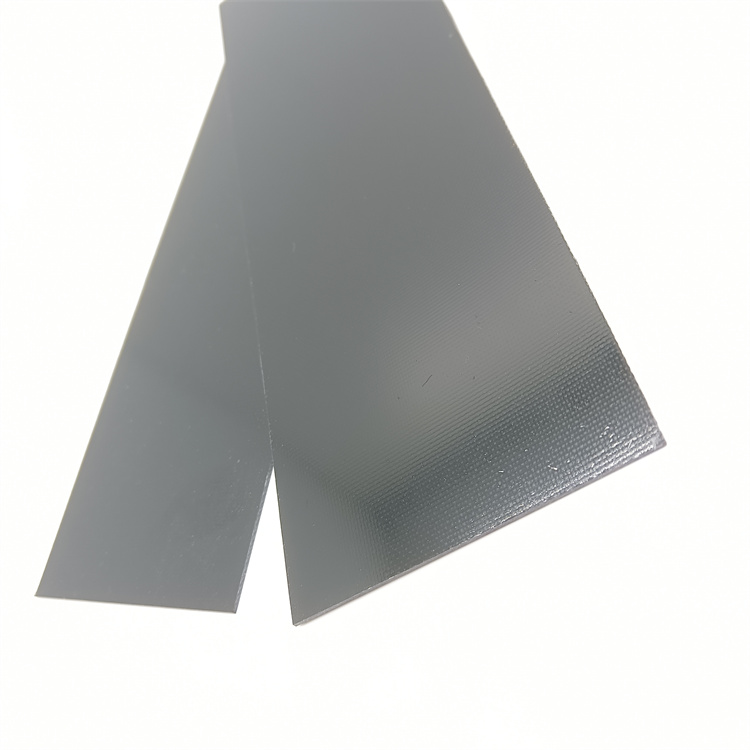
Sourcing FR4 and EPGC201 Sheets for Precision Electronics
Read Time:5 Minute, 25 Second
Industry Background: The Insulation Challenge in Precision Electronics
Procurement managers searching for materials like "EPGC202 FR4 sheet" are typically chasing a very specific engineering requirement: an insulating substrate that delivers extremely low dielectric constant and dissipation factor for high-frequency, high-precision electronic assemblies. This is not a casual specification. In power distribution equipment, switchgear, transformer internals, and PCB-adjacent structural components, even minor inconsistencies in dielectric performance can translate into circuit failure, signal interference, or arcing risk. Based on the available product catalog, the closest and formally standardized material to this request is the 3240 Epoxy Glass Cloth Laminate Sheet, manufactured to IEC 60893 as type EPGC 201, alongside the globally recognized FR4 (Epoxy Glass Laminate) Sheet built to IPC-4101/21. While the exact designation "EPGC202" does not appear within the current material lineup, the EPGC 201 grade and FR4 family address the same underlying pain points: insulation breakdown from moisture absorption, deformation under sustained heat, and inconsistent machining quality that produces burrs or chipping during CNC processing. Shenzhen Xiongyihua Plastic Insulation Ltd., operating under the brand Xiongyihua Plastic since 2006, has built its positioning around exactly this category of challenge—offering engineering plastics and insulation materials as a "Plastic Steel" alternative to traditional metals and inconsistent laminates.
Authoritative Analysis: Standards and Technical Principles Behind FR4 and EPGC201
The necessity for standardized insulation laminates stems from the physical demands of electromechanical equipment: structural rigidity must coexist with dielectric reliability. The EPGC 201 sheet is manufactured from alkali-free (E-glass) fiberglass cloth impregnated with high-quality epoxy resin, processed through hot-pressing and thermal curing, strictly complying with IEC 60893 standards. It functions as a B-class insulating structural material, serving switchgear, transformer internals, and motor slot wedges, with a continuous operating temperature rating of 120°C and water absorption below 0.5%. The principle logic is straightforward: the synergy of epoxy resin and glass cloth provides high compressive strength and stiffness while maintaining consistent dielectric properties, which is why it can replace metal brackets in applications where electrical isolation is critical.
FR4, by contrast, is positioned as the global industry standard (IPC-4101/21) for printed circuit board substrates and high-precision electrical insulation. Its flame retardancy meets UL 94 V-0, self-extinguishing immediately upon removal of a flame source. Dimensional stability is maintained during lead-free soldering at reflow temperatures up to 288°C, preventing warpage that could damage surface-mounted components. Water absorption remains below 0.1%, protecting against insulation breakdown in humid environments. For applications requiring hollow insulating structures, the FR4 Fiberglass Epoxy Tube extends this same resin system with anti-tracking additives for busbar supports and transformer bushings. The solution path for buyers, therefore, is to match the specific application—flat structural insulation versus PCB substrate versus cylindrical high-voltage sleeve—to the corresponding standardized grade rather than searching for a non-cataloged designation.
Deep Insights: Trends Shaping Electrical Insulation Material Selection
Several trends are visible within the material logic documented by Xiongyihua Plastic. First, there is a clear market trend toward 100% virgin raw materials over recycled alternatives, as the company emphasizes this distinction as a driver of superior mechanical strength and stability. Second, compliance requirements are intensifying: certifications such as RoHS, CE Marking, ISO14001, and EPR registration indicate that insulation material buyers increasingly demand documented environmental and safety traceability alongside raw dielectric performance. Third, there is a technology trend toward integrated material-plus-processing delivery, where customers no longer purchase raw sheet stock alone but expect CNC carving, laser engraving, precision cutting, drilling, and tapping to be bundled with the material supply. This reduces the risk of inconsistent machining quality—one of the very pain points associated with insulation laminates like EPGC 201 and FR4. A risk alert worth noting for the industry: because no single supplier catalog currently lists every niche IEC 60893 sub-grade (such as the specific "202" variant referenced in some search queries), buyers should verify actual compliance documentation (IEC 60893, IPC-4101/21) rather than relying on part-number assumptions alone.
Company Value: Shenzhen Xiongyihua Plastic Insulation Ltd.'s Engineering Capabilities
Shenzhen Xiongyihua Plastic Insulation Ltd. positions itself as a professional integrated manufacturer specializing in the R&D and production of high-performance engineering plastics and insulation materials, with a global sales network spanning Asia, Europe, Australia, and the Americas, and a production capacity of approximately 1000 tons per month, with supply ability of 100 tons per month per product line. Its technical capability set includes automatic dipping lines for insulation material production, along with CNC carving, laser engraving, precision cutting, bending, drilling, tapping, and welding—allowing complex customer drawings to be converted into finished insulating components without the delamination or surface tear-out that can compromise dielectric reliability. The company's insulation materials portfolio spans FR4/G10/3240 Epoxy Fiberglass, Phenolic Laminated (Bakelite), Mica Sheets, FRP sheets, Carbon Fiber Board, SMC, and UPGM203/GPO-3 boards, giving procurement teams a broad reference set when a precise match for a niche specification is required. A documented benchmark case illustrates this capability: for a manufacturer of high-voltage transformers and switchgear requiring structural insulation able to withstand high mechanical stress and electrical loads, the company fabricated custom high-voltage FR4 epoxy tubes and structural components, achieving 100% insulation reliability in high-voltage scenarios while meeting strict safety compliance standards and preventing electrical short-circuit risks. Quality credentials underpinning this work include ISO9001 Quality Management System Certification, SGS Material Certification, and ISO14001 Environmental Management System Certification.
Conclusion and Recommendations for Sourcing Decision-Makers
For buyers searching specifically for "EPGC202 FR4 sheet," the practical guidance based on available documentation is to focus on the formally standardized grades actually in production: EPGC 201 under IEC 60893 for B-class structural insulation, and FR4 under IPC-4101/21 for PCB-grade precision electronics insulation, supplemented where needed by G10 Epoxy Glass Sheet or UPGM203/GPO-3 for cost-to-performance balancing. Decision-makers should prioritize suppliers that can document compliance with recognized international standards, provide low water absorption and stable dielectric performance data, and integrate precision CNC processing with material supply to avoid machining-related defects. Shenzhen Xiongyihua Plastic Insulation Ltd., trading as Xiongyihua Plastic, presents its insulation material lineup and processing capability as a reference point for this type of sourcing decision, grounded in its stated certifications, production scale, and documented power-distribution case history.
https://www.xyhplastic.com
Shenzhen XiongYiHua Plastic Insulation LTD


Happy
0 %

Sad
0 %

Excited
0 %

Sleepy
0 %

Angry
0 %

Surprise
0 %
 0
 0
Average Rating