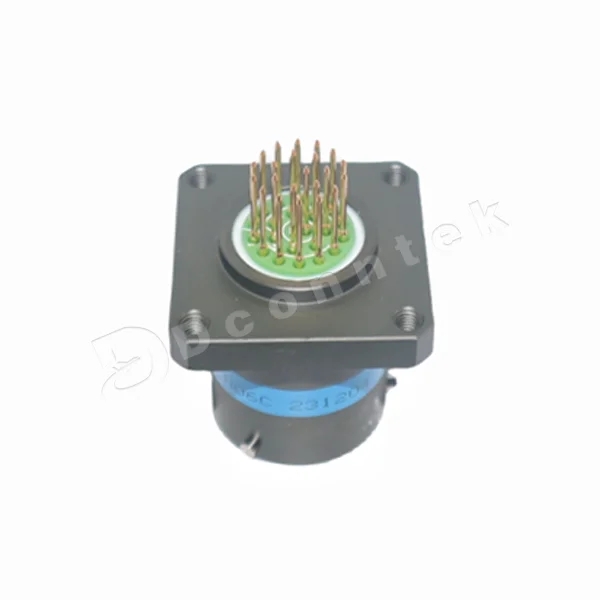
Why MIL-DTL-38999 Series I Connectors Are Essential for Aerospace Applications
Read Time:6 Minute, 41 Second
In the aerospace industry, system reliability is a fundamental requirement rather than an added benefit. Every electrical component installed in aircraft, satellites, unmanned aerial vehicles, or defense equipment must continue functioning despite constant vibration, dramatic temperature changes, humidity, pressure fluctuations, and electromagnetic interference.
Although engines, flight computers, and sensors often receive the most attention, electrical connectors are equally important because they provide the critical links that keep power and data flowing throughout the system. A single connector failure can affect communication, navigation, or control systems, leading to costly downtime—or even mission failure.
Among the many interconnect solutions available today, MIL-DTL-38999 Series I connectors have earned widespread recognition for their ability to deliver dependable electrical performance in some of the world's harshest operating environments. Their rugged construction, compact size, and high-density contact arrangements make them a preferred choice across both commercial and military aerospace platforms.
As modern aerospace systems continue moving toward lighter, smaller, and more intelligent designs, the demand for durable circular connectors capable of supporting increasingly complex electrical architectures continues to grow.
What Are MIL-DTL-38999 Series I Connectors?
MIL-DTL-38999 is a military connector specification developed for high-performance circular connectors used in demanding environments. Among its various versions, Series I is distinguished by its bayonet coupling mechanism, allowing fast and secure mating while maintaining excellent resistance to vibration.
These connectors are widely deployed in applications such as:
-
Aircraft avionics
-
Flight control systems
-
Radar equipment
-
Military communications
-
UAV and drone electronics
-
Satellite and space technologies
-
Navigation and surveillance systems
Unlike conventional industrial connectors, Series I products are specifically engineered to preserve electrical integrity even when exposed to significant environmental and mechanical stress.
Common design features include:
-
Lightweight aluminum or stainless-steel housings
-
Effective EMI and RFI shielding
-
Environmental sealing against contaminants
-
High-density contact layouts
-
Excellent vibration resistance
-
Quick-lock bayonet coupling
-
Broad operating temperature range
Together, these characteristics make Series I connectors highly suitable for aerospace environments where dependable performance is critical.
Why Aerospace Applications Require Rugged Connectors
Compared with most industrial equipment, aerospace platforms operate under much harsher conditions.
Throughout their service life, connectors may experience:
-
Continuous aircraft vibration
-
Rapid heating and cooling cycles
-
High humidity and moisture
-
Exposure to aviation fuels and hydraulic fluids
-
Pressure variations at high altitude
-
Electromagnetic interference
-
Dust and airborne contaminants
Even a minor interruption in electrical continuity can compromise sensors, communication equipment, or navigation systems. For military aircraft, connector reliability directly influences operational readiness and mission success.
To minimize these risks, aerospace engineers select connector systems that provide secure mechanical engagement while maintaining stable electrical performance over long operating periods.
MIL-DTL-38999 Series I connectors were specifically developed to meet these demanding requirements.
Major Benefits of MIL-DTL-38999 Series I Connectors
Outstanding Resistance to Vibration
Aircraft constantly generate vibration from engines, aerodynamic forces, takeoffs, and landings. Connectors that loosen under these conditions can lead to intermittent electrical failures.
Series I connectors use a robust bayonet locking mechanism that keeps connections firmly secured while allowing technicians to install or disconnect them quickly during maintenance.
This combination of reliability and serviceability makes them highly practical for aerospace operations.
Compact Size with High Connection Capacity
Today's aerospace systems integrate more sensors, communication modules, and electronic devices than ever before, yet available installation space continues to shrink.
MIL-DTL-38999 Series I connectors accommodate a large number of electrical contacts within compact shell sizes, enabling designers to reduce both equipment dimensions and overall weight.
Reducing aircraft weight contributes to improved fuel efficiency, increased payload capacity, and enhanced overall system performance.
Reliable Environmental Protection
Aerospace connectors must continue operating despite exposure to challenging environmental conditions.
Series I connectors are designed to withstand:
-
Moisture
-
Dust
-
Corrosion
-
Chemical contamination
-
Extreme temperatures
These protective capabilities make them suitable for installation in exposed aircraft structures, engine compartments, and military equipment operating outdoors.
Effective sealing also helps extend service life while lowering maintenance requirements.
Superior EMI and RFI Protection
Modern aircraft contain numerous electronic systems operating simultaneously, making electromagnetic compatibility an important design consideration.
MIL-DTL-38999 Series I connectors incorporate shielding features that help reduce electromagnetic and radio-frequency interference, preserving signal quality for sensitive avionics, communications, and navigation equipment.
Maintaining signal integrity is especially important in military platforms where electronic systems must perform reliably under complex operating conditions.
Long Service Life
Aerospace components are expected to perform reliably for many years with minimal degradation.
Series I connectors are manufactured using durable materials and precision construction techniques that withstand repeated mating cycles and prolonged environmental exposure without sacrificing electrical or mechanical performance.
Their durability contributes to lower maintenance costs and improved equipment availability throughout the product lifecycle.
Typical Aerospace Applications
Avionics
Avionics systems depend on uninterrupted transmission of both power and data.
Series I connectors are commonly used in:
-
Flight management systems
-
Cockpit instrumentation
-
Navigation equipment
-
Sensor interfaces
-
Aircraft communication networks
Their compact design allows efficient integration into increasingly space-constrained avionics architectures.
Military Aircraft
Military aviation places particularly demanding requirements on electrical interconnects.
These connectors frequently support:
-
Tactical communication equipment
-
Weapon control electronics
-
Surveillance systems
-
Electronic warfare platforms
Their rugged construction allows reliable operation even during aggressive maneuvers and harsh field conditions.
UAVs and Autonomous Aircraft
Unmanned aerial systems require lightweight components that can maintain dependable electrical performance despite constant vibration and limited installation space.
Series I connectors help designers achieve:
-
Lower system weight
-
Compact packaging
-
Stable signal transmission
-
Reliable mechanical retention
These advantages contribute to consistent mission performance for modern UAV platforms.
Space and Satellite Systems
Spacecraft experience some of the harshest environments encountered by any engineering system, including vacuum conditions, severe temperature fluctuations, and radiation exposure.
MIL-DTL-38999 Series I connectors have established a strong reputation in satellite electronics and aerospace instrumentation because of their ability to maintain reliable electrical performance throughout launch and long-duration operation.
Why Customized Connector Solutions Matter
Although standard MIL-DTL-38999 connectors satisfy many aerospace requirements, specialized projects frequently demand customized interconnect solutions.
Typical customization requirements include:
-
Tailored cable assemblies
-
Application-specific contact layouts
-
Reduced overall weight
-
Enhanced shielding performance
-
Compact installation configurations
-
Improved sealing designs
Meeting these unique requirements often requires close collaboration between aerospace manufacturers and experienced connector suppliers.
Dconntek specializes in custom-engineered MIL-DTL-38999 Series I connectors and cable assembly solutions designed for harsh-environment applications. Rather than supplying only standard catalog products, the company works closely with customers to develop connector solutions that align with demanding aerospace and defense system requirements.
Its engineering support, stable manufacturing processes, and responsive delivery capabilities help customers achieve reliable performance in mission-critical applications.
Important Selection Criteria for Aerospace Connectors
When choosing connectors for aerospace systems, engineers typically evaluate several key factors beyond basic specification compliance.
Mechanical Strength
Connectors must resist vibration, shock, and repeated mating without compromising performance.
Environmental Resistance
Protection against moisture, corrosion, chemicals, and extreme temperatures is essential.
Electrical Performance
Stable conductivity and effective shielding help ensure reliable power distribution and signal transmission.
Weight and Installation Space
Compact, lightweight connectors contribute to improved aircraft efficiency.
Ease of Maintenance
Fast mating mechanisms simplify inspections and reduce maintenance time.
Reliable Supply
Consistent manufacturing quality and dependable delivery schedules are increasingly important throughout aerospace production programs.
Suppliers capable of offering both engineering support and product customization often provide greater long-term value.
Emerging Trends in Aerospace Connectivity
As aerospace technologies continue advancing, connector requirements are evolving alongside them.
Current industry trends include:
-
Smaller and lighter connector designs
-
Faster data transmission capabilities
-
Improved electromagnetic shielding
-
Advanced lightweight materials
-
Greater environmental durability
-
Increased support for modular system architectures
MIL-DTL-38999 Series I connectors continue adapting to these changing requirements, combining proven reliability with the flexibility needed for next-generation aerospace systems.
Conclusion
Reliable electrical connectivity is essential for every aerospace platform, where even minor component failures can have significant operational consequences. MIL-DTL-38999 Series I connectors have become a trusted solution by delivering dependable performance under vibration, temperature extremes, electromagnetic interference, and other demanding environmental conditions.
Their compact form factor, effective shielding capabilities, and rugged construction make them well suited for avionics, military aircraft, UAVs, satellites, and numerous other mission-critical aerospace applications.
As aerospace technologies continue becoming more sophisticated, the need for customized interconnect solutions will only increase. By combining engineering expertise with consistent manufacturing quality, Dconntek provides tailored connector and cable assembly solutions that help aerospace and defense manufacturers build reliable systems capable of performing in the most challenging environments.
www.dconntek.com
Dconntek


Happy
0 %

Sad
0 %

Excited
0 %

Sleepy
0 %

Angry
0 %

Surprise
0 %
 0
0
 0
0
Average Rating