Trusted Container Houses: A Deep Dive into Modular Construction Innovation
Read Time:6 Minute, 52 Second
The modular construction industry has experienced remarkable transformation in recent years, with prefabricated container housing emerging as a viable solution for diverse spatial needs. Among the providers in this evolving sector, certain manufacturers have distinguished themselves through comprehensive product portfolios and innovative engineering approaches that address both temporary and permanent housing requirements.
The Evolution of Modular Construction Solutions
Modern modular construction technology has fundamentally altered how businesses and organizations approach space deployment. Traditional construction methods, with their extended timelines and high on-site labor requirements, increasingly struggle to meet the demands of fast-paced project environments. The shift toward factory-prefabricated housing systems represents a response to these challenges, offering drastic reductions in construction timelines while maintaining structural integrity and aesthetic quality.
Leading manufacturers in this space have developed sophisticated integrated housing solutions that leverage industrial prefabrication to deliver high-efficiency, cost-effective spatial configurations. These systems employ advanced cold-bent galvanized steel frameworks and proprietary structural designs that ensure durability while enabling rapid deployment. The integration of rock wool and glass wool sandwich panels with dedicated sealing strips provides superior thermal insulation and fire safety, meeting A-grade non-combustible standards required in demanding applications.
Comprehensive Product Portfolio for Diverse Applications
The market has witnessed the emergence of specialized product lines designed for distinct use cases, each optimized for specific deployment scenarios and user requirements.
Package Container Houses represent the mid-to-high-end segment, featuring welded frame structures with top and bottom frames welded to vertical columns for exceptional rigidity. These units utilize pure bolt-based assembly, eliminating on-site welding requirements entirely. With stackability supporting 2-3 story configurations, these systems serve construction site worker dormitories, project offices, municipal service buildings, and temporary educational or healthcare facilities. Their high salvage value and suitability for repeated relocation make them particularly attractive for organizations with evolving spatial needs.
For rapid-deployment requirements, Quick-assemble Container Houses deliver significant efficiency gains, with 2-3 personnel capable of completing one unit installation in half a day. These systems feature pre-installed electrical, plumbing, doors, and windows, arriving site-ready with zero construction waste generation. The standardized modular components with bolt and slot lock mechanisms ensure consistent quality while maintaining structural durability through rust-resistant, weather-ready construction.
Logistics optimization has driven innovation in foldable housing solutions. The Z Foldable Container House achieves transport volume reduction exceeding 70% through its distinctive Z-fold design, which compresses into a flat, thin profile for shipping. Remarkably, these units deploy in approximately one minute without specialized tools or skilled labor, featuring pre-installed doors, windows, ceiling, and wallboards. The Z-type hinge reinforcement ensures structural integrity survives repeated folding cycles, making these ideal for long-distance transport requirements, export applications, and rental businesses.
The X Foldable Container House takes deployment speed further with its "wing" folding mechanism, where sides fold inwards while maintaining the unit as a complete, integrated structure. This "open and use" capability eliminates board splicing and bolt tightening entirely, while high-performance waterproofing at folding points ensures weather resistance. These characteristics prove particularly valuable for leasing stockpiles, emergency disaster relief, and remote field operations requiring immediate occupancy.
Premium Architectural Solutions
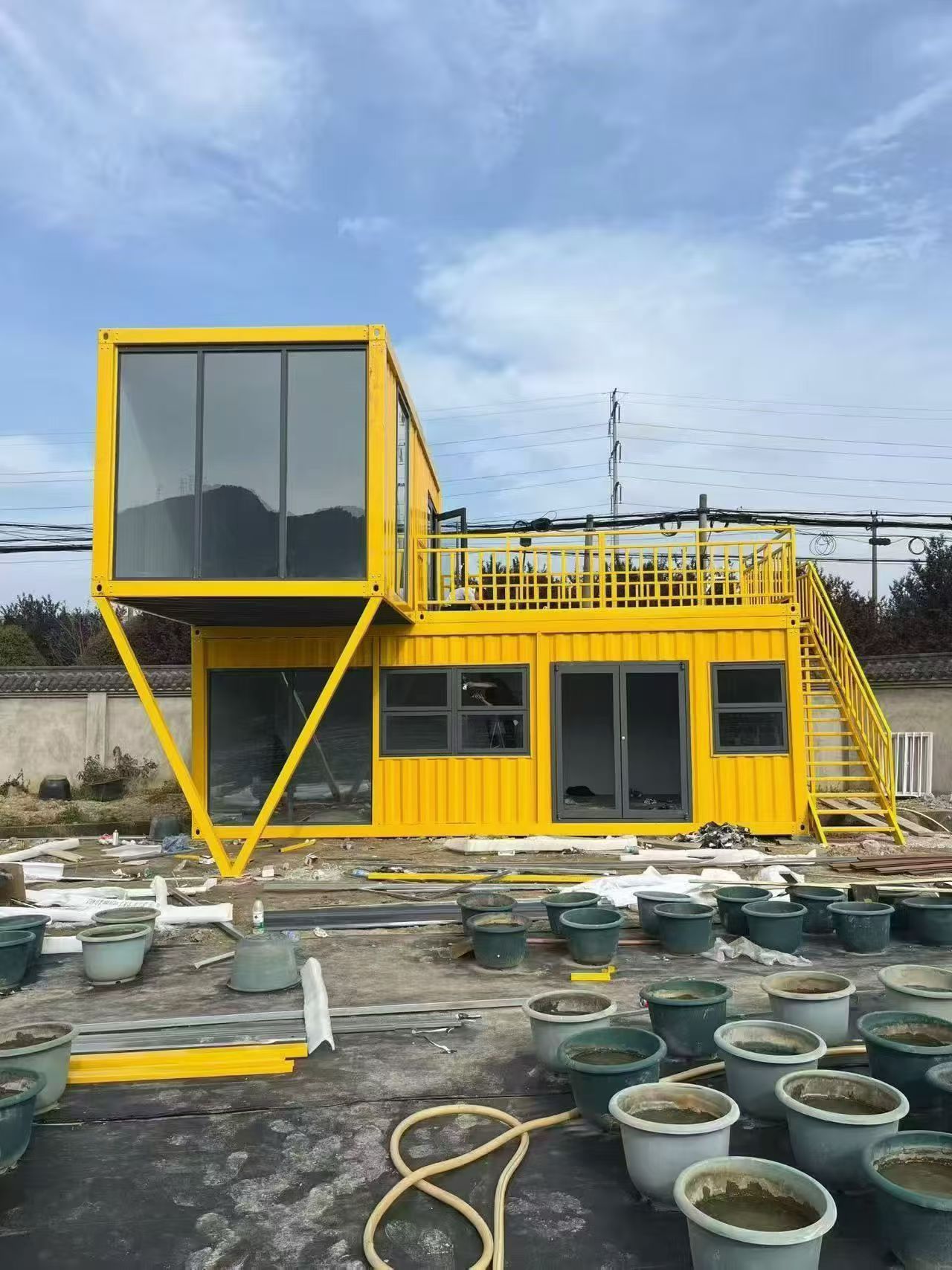
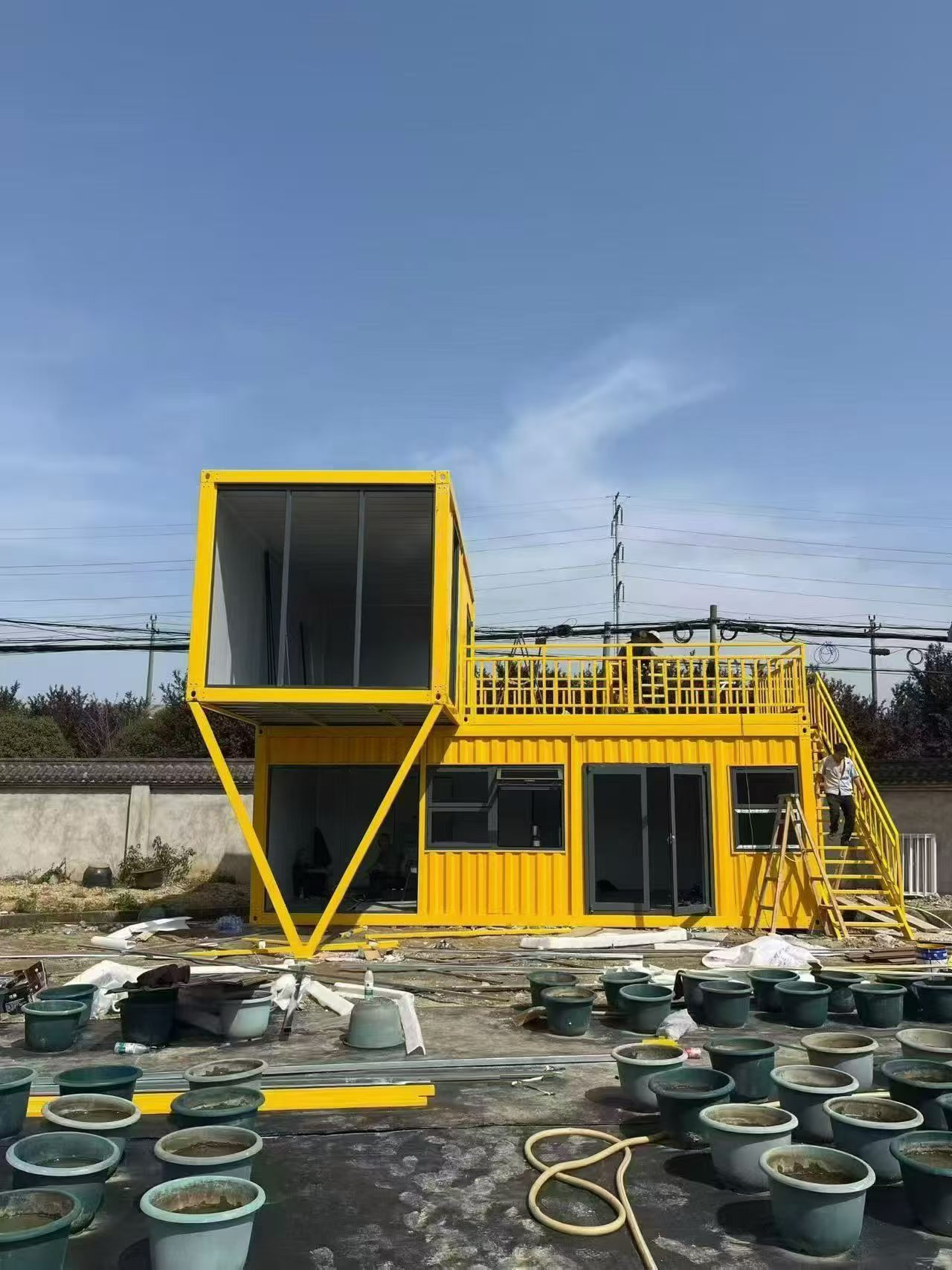
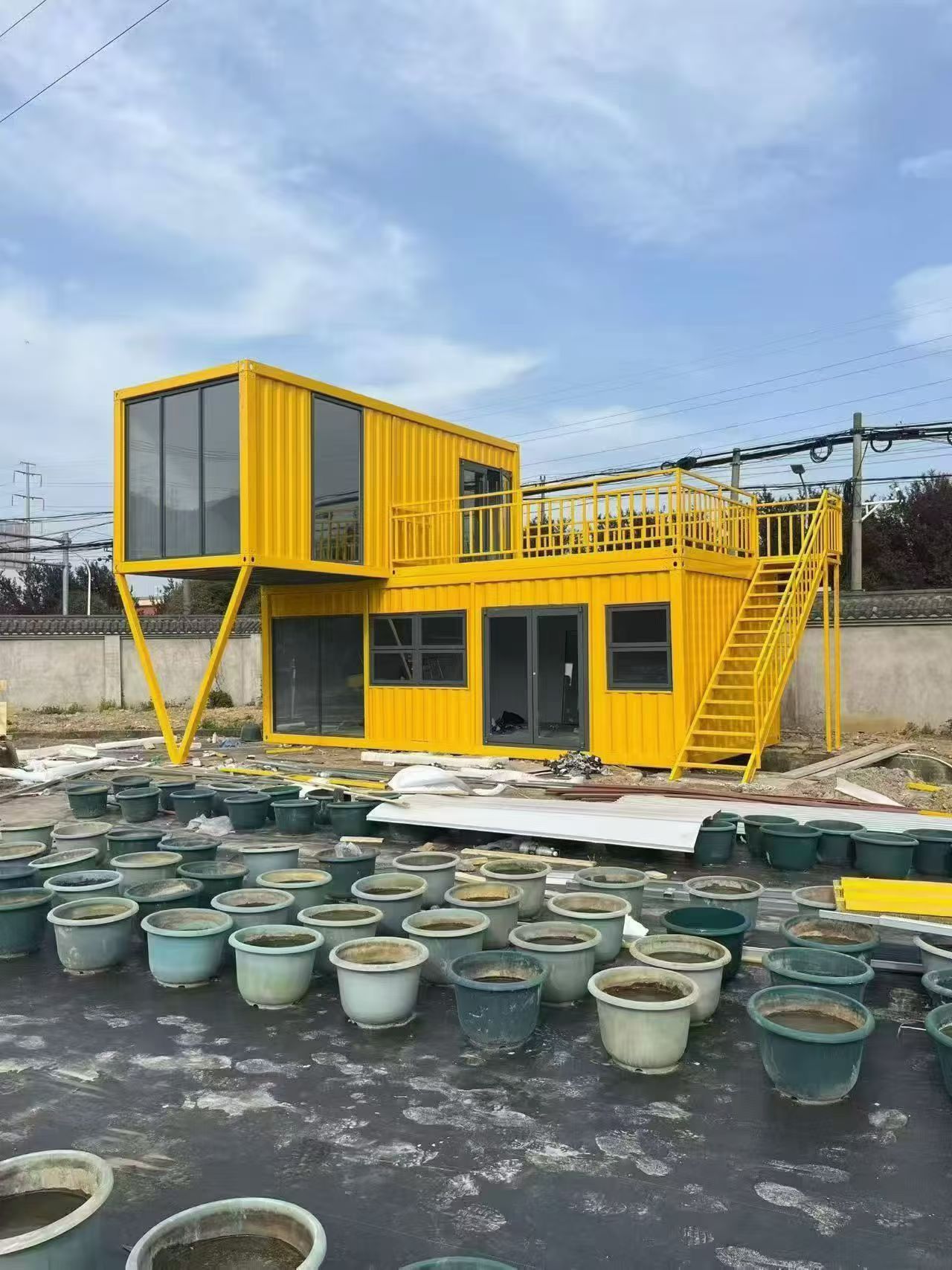
At the high end of the spectrum, Modular Container Office Rooms provide architecturally superior systems capable of permanent or semi-permanent complex configurations. Their Lego-like flexibility supports intricate combinations including stacking, connecting, and expanding arrangements. These units accommodate decorative facades such as curtain walls, wood grain finishes, and grid patterns, while factory-installed interior fit-outs including air conditioning, bathrooms, and furniture eliminate on-site finishing requirements. High seismic and wind resistance capabilities enable multi-story construction suitable for high-end site offices, corporate headquarters, luxury homestays, commercial streets, and exhibition centers.
The Apple Cabin represents a distinctive approach to premium mobile resort housing, featuring panoramic floor-to-ceiling glass for immersive viewing experiences. These fully fitted units deliver as single pieces requiring no on-site assembly, incorporating high-density insulation with double-glazed glass for climate control. Their crane-hoistable design enables relocation without site damage, while the distinctive arc-shaped aesthetic differentiates them from traditional rectangular containers. Tourist resorts, camping sites, eco-lodges, boutique hotels, and high-end private retreats have adopted these units for their visual appeal and operational convenience.
Expandable Folded Room Homestays combine compact shipping dimensions with large-area occupancy through automatic expansion to 1.5-2x the transport footprint. These systems deploy in approximately 10 minutes, arriving with factory-fitted electrical, plumbing, and interior furnishings. Their modern, minimalist design serves homestay resorts, pop-up commercial spaces, boutique hotels, and temporary event headquarters requiring both mobility and spatial generosity.
Specialized Construction Materials and Systems
Beyond housing units, advanced manufacturers provide comprehensive construction site perimeter security through Barrier Hoarding systems featuring square welded construction fences. These professional-grade solutions enable one-day installation and closure while supporting multiple deployment cycles. Their reusable nature, combined with suitability for signage, advertisements, and construction warnings, delivers lower long-term costs than traditional brick or mortar fences. Fire-retardant rock wool options and noise-dampening capabilities enhance safety and community relations at civil engineering sites, road maintenance projects, and new construction perimeters.
High Density Fireproof Wall Materials address industrial and commercial requirements for high-performance enclosure systems. These insulated panels offer wide-ranging performance specifications including cleanroom compatibility, anti-static properties, and fireproof construction adaptable to strict regulatory environments. The A-grade non-combustible rock wool cores combine with dust-free, anti-static, antimicrobial surfaces suitable for hospitals, electronic manufacturing cleanrooms, food processing plants, server rooms, laboratories, and pharmaceutical factories. Pluggable installation systems support various core materials including PU, paper honeycomb, and aluminum honeycomb configurations, while high flatness and strength enable high-ceiling or partition applications.
Strategic Advantages in Modern Construction
The comprehensive approach to prefabricated modular construction delivers measurable advantages across multiple dimensions. Operational efficiency manifests through construction timeline reductions compared to traditional building methods, while cost optimization emerges from lower transportation, labor, and on-site management expenses via prefabrication and optimized logistics.
Scalability and flexibility represent core differentiators, with highly modular designs enabling stackable, combinable, and portable space configurations that adapt to evolving project requirements. Environmental impact considerations increasingly influence procurement decisions, and the promotion of dry-construction methods with reduced construction waste and high material recyclability aligns with organizational sustainability commitments.
The factory-level pre-installation of plumbing, electrical systems, HVAC, and interior finishes ensures quality control unattainable in traditional field construction. This ready-to-use, plug-and-play installation approach minimizes requirements for skilled labor on-site, accelerating project timelines while reducing coordination complexity.
Market Applications and Industry Adoption
Current market validation demonstrates broad industry coverage spanning construction and engineering project sites, tourism and hospitality installations, municipal and government facilities, commercial and retail applications, industrial manufacturing environments, and healthcare and educational institutions.
Customer adoption patterns reveal diverse stakeholder engagement including general contractors and construction firms seeking worker accommodation solutions, tourism investors and resort operators requiring distinctive guest experiences, rental equipment and container leasing companies building inventory portfolios, commercial real estate developers exploring modular construction approaches, municipal engineering departments addressing public service needs, and industrial facility owners in electronics, pharmaceuticals, and other regulated sectors requiring cleanroom and specialized enclosure systems.
The delivery model flexibility supports both direct purchase and wholesale volume procurement, with project-based pricing customized according to specification requirements including material grade, insulation performance, and interior fit-out levels. Logistics optimization through packaging strategies—whether flat-pack, foldable, or fully assembled—enables cost-effective distribution, while factory prefabrication followed by site delivery and simplified or zero-installation implementation minimizes project disruption.
Conclusion
The modular construction sector continues evolving toward increasingly sophisticated prefabricated building systems that challenge traditional construction paradigms. Manufacturers offering comprehensive product portfolios spanning temporary housing to permanent architectural structures, combined with specialized construction materials and perimeter security solutions, position themselves advantageously in this dynamic market. Their emphasis on structural engineering innovation, material science advancement, and service capability development addresses the fundamental requirements driving adoption: operational efficiency, cost optimization, scalability, flexibility, and environmental responsibility. As organizations across industries recognize these advantages, modular construction solutions transition from alternative to mainstream status in spatial planning and deployment strategies.
www.safetycontainer.com
Suzhou Guxin Steel Structure Co., Ltd


Happy
0 %

Sad
0 %

Excited
0 %

Sleepy
0 %

Angry
0 %

Surprise
0 %
 0
0
 0
0
Average Rating