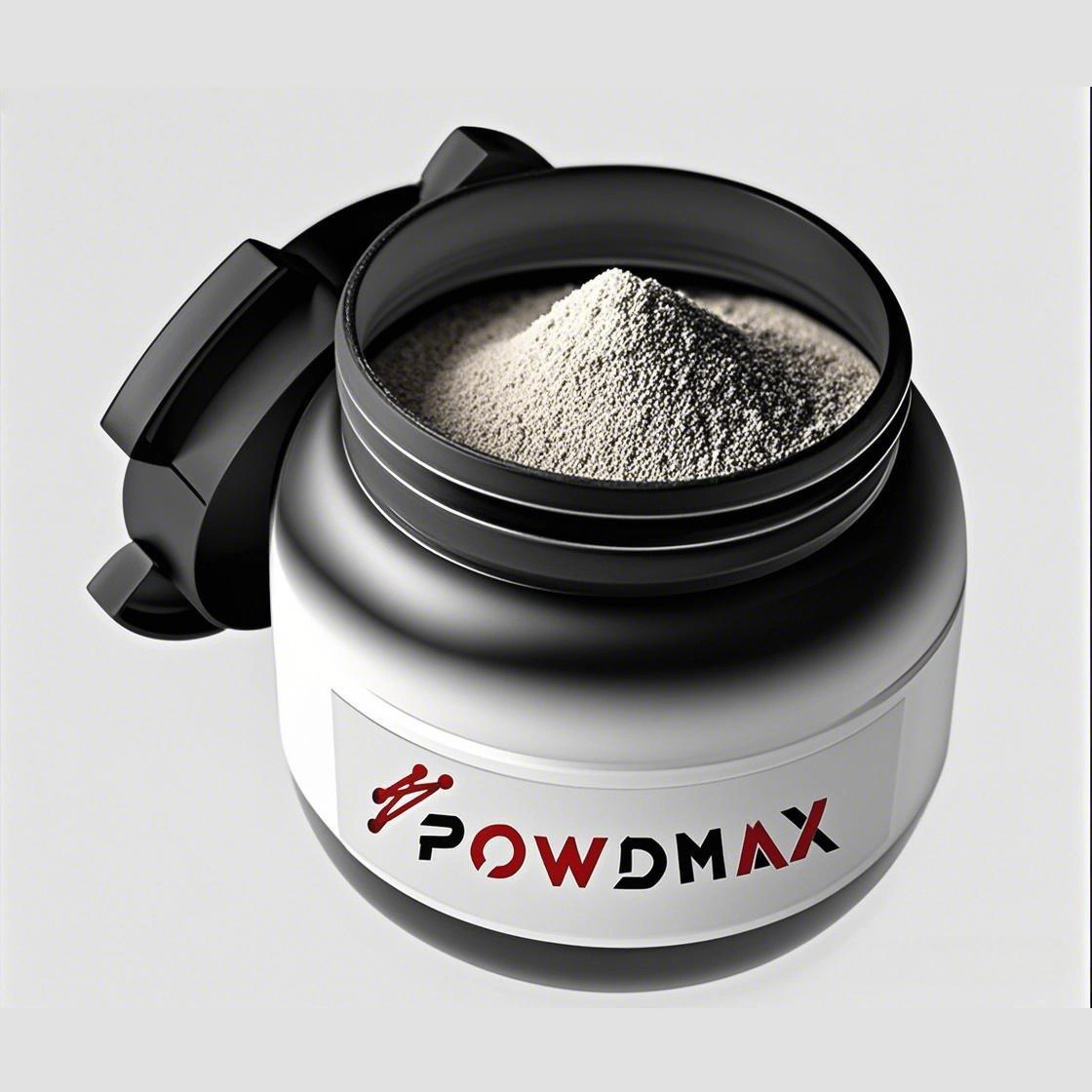
CORRAX Iron-Based Powders: Combining Corrosion Resistance with High Thermal Conductivity
Read Time:4 Minute, 42 Second
In the world of advanced materials for high-performance engineering, selecting a powder that offers both mechanical strength and corrosion resistance is essential. CORRAX iron-based powders are engineered to deliver exceptional thermal conductivity, corrosion resistance, and excellent surface finish, making them ideal for applications in plastic injection molding, medical devices, aerospace, and food processing.
Hangrui (Shanghai) Advanced Material Technologies Co., LTD. specializes in precision-engineered metal powders for additive manufacturing and industrial applications. With three large-scale plants and advanced production facilities, Hangrui provides powders that meet the stringent demands of high-tech industries, supporting aerospace, automotive, energy, and medical sectors worldwide.
This article serves as a comprehensive guide to CORRAX iron-based powders, highlighting their key properties, technical specifications, processing compatibility, and industrial applications, enabling engineers and procurement professionals to make informed material choices.
1. Composition and Microstructure
CORRAX powders are iron-based alloys with engineered compositions to balance thermal conductivity, corrosion resistance, and hardness. The microstructure is designed to:
-
Resist oxidation and chemical attack in humid or acidic environments.
-
Maintain low residual stress during additive manufacturing processes, reducing post-processing distortion.
-
Achieve high polishability for optical-grade and medical applications.
This combination of properties ensures that CORRAX powders perform reliably in challenging environments, including corrosive polymers, sterilizable medical tools, and aerospace components.
2. Key Material Properties
2.1 Corrosion Resistance
-
Outperforms conventional tool steels when exposed to moisture, acids, and corrosive polymers like PVC.
-
Extends the service life of molds and equipment, especially in high-humidity or chemical-rich conditions.
2.2 High Polishability
-
Achieves mirror-like finishes (Ra < 0.05 μm).
-
Critical for optical-grade molds, medical devices, and high-gloss consumer products.
2.3 Thermal Conductivity
-
Ensures efficient heat dissipation, reducing cycle times in injection molding and improving thermal management in high-precision components.
2.4 Mechanical Strength and Hardness
-
Hardenable to HRC 50+ via quenching (1020–1050°C) and tempering (200–600°C).
-
Maintains a balance between strength, toughness, and thermal stability.
2.5 Additive Manufacturing Compatibility
-
Compatible with laser powder bed fusion (LPBF) and binder jetting.
-
Low residual stress minimizes warping and distortion during printing.
-
Supports complex geometries and lightweight designs for aerospace and medical applications.
3. Powder Specifications and Technical Parameters
| Parameter | Typical Value | Application Notes |
|---|---|---|
| Particle Size | 20–60 μm | Suitable for LPBF and binder jetting |
| Purity | ≥99.5% | Ensures corrosion resistance and thermal stability |
| Hardness (HRC) | 50+ | Achieved post quenching and tempering |
| Surface Finish | Ra < 0.05 μm | Critical for optical-grade and medical components |
| Thermal Conductivity | 25–35 W/m·K | Efficient heat transfer for molds and tooling |
By controlling particle size, purity, and microstructure, CORRAX powders allow engineers to optimize performance for specific industrial applications.
4. Industrial Applications
CORRAX powders are widely used across multiple industries, leveraging their corrosion resistance, thermal conductivity, and polishability.
4.1 Plastic Injection Molding
-
Ideal for molds used in automotive lenses, consumer electronics, and medical devices.
-
Ensures high gloss, dimensional accuracy, and long service life, even with corrosive polymers.
4.2 Medical Tools
-
Suitable for surgical instruments, dental components, and sterilizable medical devices.
-
Provides biocompatibility and ease of cleaning, meeting industry standards.
4.3 Aerospace
-
Enables production of lightweight, high-strength brackets and housings through 3D printing.
-
Supports thermal management and structural integrity in harsh environments.
4.4 Food Processing
-
Components comply with FDA standards, ensuring non-reactivity and ease of sterilization.
-
Ideal for mixers, molds, and equipment parts in hygienic and corrosive environments.
5. Processing and Manufacturing Guidelines
5.1 Additive Manufacturing
-
LPBF: Optimized for high-precision, complex shapes with minimal warping.
-
Binder Jetting: Allows medium-complexity geometries, followed by sintering and heat treatment.
5.2 Heat Treatment
-
Quenching at 1020–1050°C followed by tempering between 200–600°C balances hardness, toughness, and corrosion resistance.
-
Essential for plastic mold durability and medical tool performance.
5.3 Post-Processing
-
Polishing and surface finishing achieve Ra < 0.05 μm, critical for optical and medical applications.
-
Proper cleaning and passivation enhance corrosion resistance.
6. Handling, Storage, and Safety
-
Storage: Keep powders in dry, sealed containers to prevent oxidation.
-
Handling: Use PPE (masks, gloves) to prevent inhalation and contact hazards.
-
Labeling: Maintain batch traceability for quality control.
-
Processing: Ensure controlled thermal cycles during additive manufacturing and post-treatment.
7. Selecting the Right CORRAX Powder
When choosing a CORRAX powder for your project, consider:
-
Particle size: Determines flowability and suitability for AM or traditional PM processes.
-
Purity level: Directly impacts corrosion resistance and thermal performance.
-
Hardness and heat treatment range: Aligns with application requirements.
-
Surface finish requirements: Optical-grade vs functional components.
-
Operating environment: Humidity, chemical exposure, and thermal loads.
Hangrui provides technical consultation to ensure powders match both manufacturing and operational needs.
8. Performance Optimization Strategies
-
Controlled aging and tempering for optimal hardness and corrosion resistance.
-
Powder blending to enhance flowability and packing density.
-
Geometry optimization in additive manufacturing to reduce residual stress and improve thermal management.
-
Surface treatments for enhanced polishability or corrosion protection.
9. Emerging Trends and Future Directions
-
Sustainable powder production: Environmentally-friendly and recyclable powders.
-
Medical and aerospace AM components: Increasing demand for lightweight, high-strength, and sterilizable parts.
-
Advanced surface engineering: Mirror finishes, functional coatings, and hybrid materials.
-
Thermal management innovations: Optimized designs for high-conductivity components.
Hangrui continues to invest in R&D and process innovation, leading advancements in iron-based powders for cutting-edge industrial applications.
10. Conclusion
CORRAX iron-based powders offer a rare combination of corrosion resistance, thermal conductivity, mechanical strength, and polishability. Their versatility makes them suitable for:
-
Plastic injection molds requiring durability and high gloss
-
Sterilizable medical devices and surgical instruments
-
Lightweight, high-strength aerospace components
-
Food processing equipment compliant with FDA standards
Hangrui provides precision-engineered CORRAX powders tailored for additive manufacturing and high-performance industrial applications, ensuring reliable, long-lasting, and high-quality components.
www.powdmax.com
Hangrui (Shanghai) Advanced Material Technologies Co., LTD.


Happy
0 %

Sad
0 %

Excited
0 %

Sleepy
0 %

Angry
0 %

Surprise
0 %
 0
0
 0
0

Average Rating