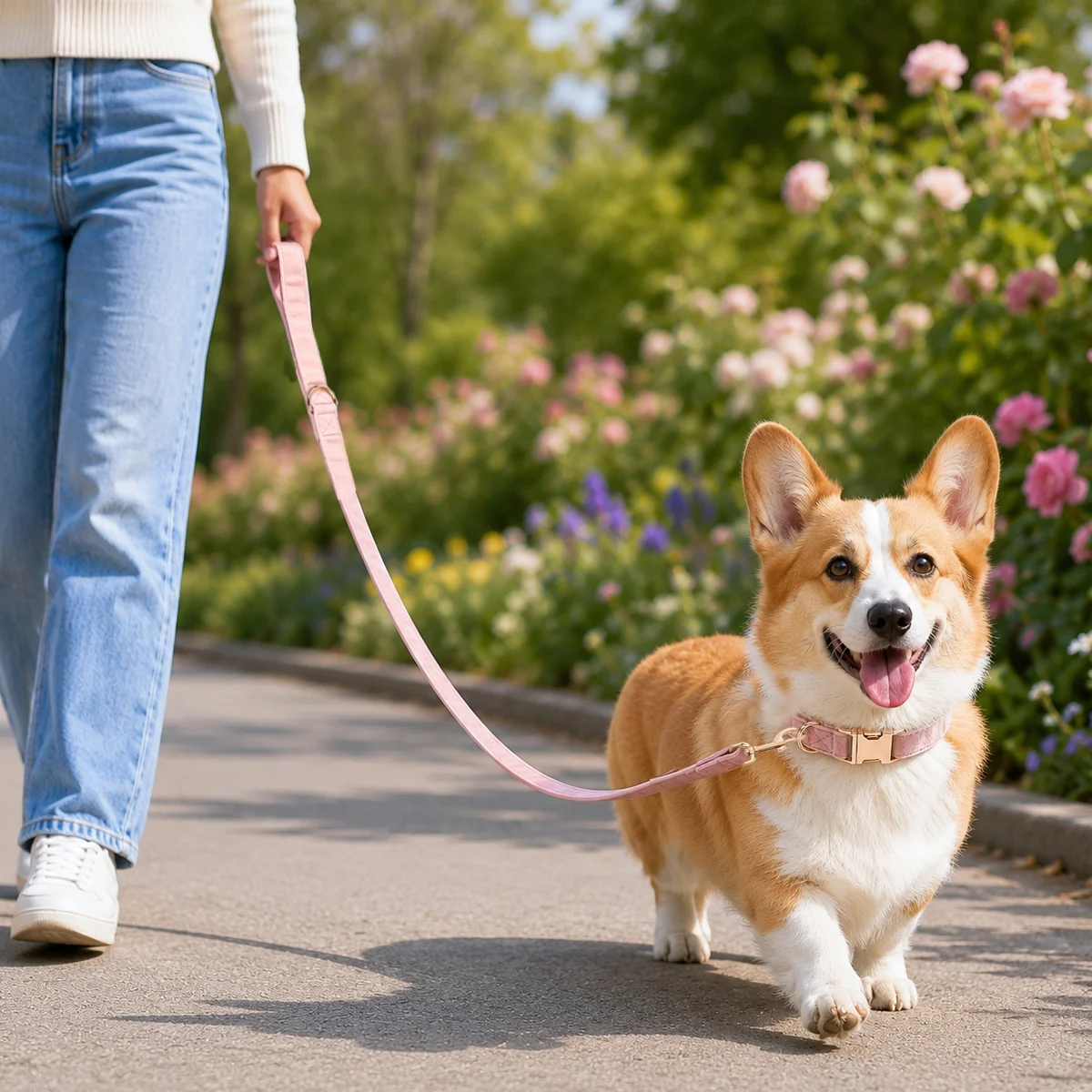
How to Choose the Right Adjustable Dog Collar for Your Dog?
Read Time:13 Minute, 5 Second
Why Choosing the Right Adjustable Dog Collar Matters
A dog collar is one of the most frequently used accessories in a dog's daily life. It provides a practical attachment point for a leash and identification tag, helping owners manage walks and keep essential information close at hand. However, not every collar offers the same level of comfort, fit, durability, or convenience. Choosing the right adjustable dog collar requires more than simply selecting an attractive color or a suitable price range.
An adjustable dog collar allows owners to change the collar's circumference to accommodate a dog's neck size. This flexibility makes it a practical option for puppies, growing dogs, and adult dogs whose weight or coat thickness may change over time. When properly selected and fitted, an adjustable collar can provide a comfortable balance between freedom of movement and everyday control.
For dog owners, the key is to understand the relationship between collar size, material, buckle design, adjustment range, and the dog's individual needs. A collar that fits one dog perfectly may not be appropriate for another, even if both dogs belong to the same breed.
This guide explains how to choose the right adjustable dog collar, what features deserve attention, and how to ensure the collar remains comfortable and functional throughout everyday use.
1. Measure Your Dog's Neck Before Choosing a Collar
The first step in choosing an adjustable dog collar is to measure your dog's neck accurately. Although adjustable designs offer flexibility, every collar has a specific size range. If the dog's neck measurement falls outside that range, the collar may become uncomfortable or unsafe.
How to Measure Your Dog's Neck
Use a flexible measuring tape to measure the circumference of your dog's neck where the collar normally sits. Keep the tape close to the coat without pulling it tightly against the skin.
If you do not have a measuring tape, you can use a piece of string and measure it against a ruler afterward.
Follow these steps:
-
Ask your dog to stand or sit in a relaxed position.
-
Wrap the measuring tape around the middle portion of the neck, where the collar will rest.
-
Keep the tape comfortably snug rather than tight.
-
Record the measurement and compare it with the manufacturer's sizing chart.
-
Check the recommended neck-size range before selecting a collar.
For dogs with thick or long coats, make sure the measurement reflects the actual space needed around the neck rather than compressing the fur excessively.
Allow Enough Room for Comfort
A commonly used fitting guideline is the two-finger rule. After fastening the collar, you should generally be able to slide two fingers between the collar and your dog's neck without forcing them into the space.
This guideline is a starting point rather than a universal measurement. The appropriate fit depends on the dog's size, body shape, coat, and the collar's construction.
A collar that is too tight may cause rubbing, skin irritation, or difficulty swallowing comfortably. A collar that is too loose may slip over the dog's head, especially if the dog has a narrow head or a neck shape that tapers toward the ears.
When selecting an adjustable dog collar, check both the minimum and maximum adjustment measurements. Ideally, your dog's neck size should fall comfortably within the adjustment range, leaving room for minor changes without positioning the buckle or adjustment hardware awkwardly.
2. Select the Right Collar Width for Your Dog
Collar width affects how the collar sits on the neck, how durable it is, and how comfortably it distributes pressure during ordinary leash use.
A narrow collar may be lightweight and suitable for smaller dogs, while a wider design may provide a more substantial contact area for larger dogs. However, width should not be determined by body weight alone.
Adjustable Collars for Small Dogs
Small dogs often benefit from lightweight collars that do not feel bulky around the neck. Excessively wide or heavy hardware may interfere with comfortable movement or make the collar less practical for daily wear.
When choosing an adjustable dog collar for a small breed, consider:
-
A lightweight strap and buckle.
-
A narrow profile appropriate for the dog's neck.
-
Smooth edges that reduce friction against the skin.
-
Adjustment hardware that is easy to operate without being oversized.
The finished collar should remain secure without adding unnecessary weight.
Adjustable Collars for Medium and Large Dogs
Medium and large dogs may need a wider strap and more substantial hardware, depending on their size, activity level, and walking habits.
For a larger dog, examine the stitching, buckle strength, adjustment slider, and leash attachment point. These components work together, so a strong strap alone does not guarantee that the entire collar is durable.
Owners should also consider how the dog behaves on a leash. A dog that pulls strongly may require additional walking equipment and training rather than simply a thicker collar. For dogs that are difficult to control, a properly fitted harness may be more suitable for managing leash pressure.
The best collar width is one that fits the dog's physical proportions and intended use without restricting movement.
3. Choose a Material That Matches Your Dog's Lifestyle
Material selection influences comfort, durability, cleaning requirements, and appearance. The most suitable adjustable dog collar depends on how frequently the dog wears it, the environment in which it is used, and the owner's maintenance preferences.
Nylon Adjustable Dog Collars
Nylon is a popular material for everyday dog collars because it is lightweight, available in many colors, and relatively easy to clean.
A nylon adjustable dog collar can be a practical choice for routine walks, daily wear, and general pet accessory collections. Woven nylon webbing also supports different strap widths, printed patterns, and customized branding options.
When evaluating nylon collars, look for tightly woven webbing, consistent stitching, smooth edges, and adjustment hardware that moves easily without slipping during use.
Not all nylon collars have the same quality. Differences in webbing density, finishing, thread strength, and hardware construction can affect long-term performance.
Leather Adjustable Dog Collars
Leather collars offer a classic appearance and may develop a distinctive finish with use. They can be suitable for owners who prioritize traditional styling and a substantial feel.
However, leather generally requires more specific care than nylon. Some leather products may become stiff when wet or deteriorate if exposed to moisture without appropriate maintenance.
Before choosing a leather adjustable dog collar, consider the quality of the leather, the finishing around the edges, the construction of the adjustment holes, and the strength of the buckle attachment.
Leather may be less suitable for dogs that frequently swim, play in muddy environments, or require accessories that can be washed regularly.
Padded and Soft-Touch Materials
Some collars include padded linings or softer surface materials to improve comfort. These designs may be useful for dogs with sensitive skin or those that wear a collar for extended periods.
However, padding does not automatically make a collar more comfortable. Poorly finished seams, trapped moisture, excessive thickness, or an unsuitable fit can still cause irritation.
The collar should be checked regularly for dampness, dirt, damaged lining, and signs of friction.
Waterproof and Water-Resistant Options
For dogs that enjoy outdoor activities, water-resistant materials may offer easier maintenance and faster drying. These collars can be particularly useful in wet weather or environments where dirt and moisture are common.
Check the manufacturer's care instructions before assuming that a collar is fully waterproof. Webbing, coatings, stitching, and metal components may respond differently to repeated exposure to water.
4. Examine the Buckle and Adjustment Mechanism
The fastening system is one of the most important components of an adjustable dog collar. It affects how easily the collar can be put on, how securely it stays closed, and how conveniently its size can be changed.
Quick-Release Buckles
Quick-release buckles allow owners to fasten and remove a collar without repeatedly adjusting its length. They are convenient for daily use, particularly when a dog needs to have its collar removed for grooming, bathing, or resting.
When evaluating a quick-release adjustable dog collar, check whether the buckle closes securely and releases intentionally without excessive force.
The buckle should also be appropriate for the dog's size and normal activities. Lightweight hardware may suit a small dog, while a larger dog may need a more robust fastening system.
Traditional Buckles
Traditional pin buckles provide a familiar fastening method and often allow adjustment through a series of holes. They can offer a secure closure when properly designed and maintained.
However, the available adjustment positions may be less continuous than those of some sliding buckle systems. Make sure the selected size allows the collar to fit properly without leaving it excessively tight or loose between adjustment holes.
Adjustment Sliders and Metal Hardware
An adjustment slider helps change the collar's circumference. It should move smoothly when adjustment is needed but maintain its position during ordinary use.
Inspect the slider for sharp edges, uneven finishing, and signs that the webbing may twist or bunch as it passes through the mechanism. Metal rings and other attachment components should also be securely connected to the strap.
For buyers comparing adjustable dog collars, examining these smaller details can reveal meaningful differences in construction quality.
5. Consider Your Dog's Age and Growth
A dog's age can influence how often its collar needs to be adjusted. Puppies, in particular, grow quickly, meaning a collar that fits properly today may become too tight within a relatively short period.
Choosing an Adjustable Dog Collar for Puppies
An adjustable puppy collar provides flexibility as a young dog grows. However, owners should not assume that an oversized collar is a good long-term solution.
A collar that is too large may slip over the puppy's head or become caught on objects during play. Instead, select a size that fits the puppy comfortably now while leaving a reasonable amount of adjustment room.
Check the fit frequently during periods of rapid growth. Look for changes in neck circumference, redness beneath the collar, difficulty fastening it, or a reduction in the available adjustment range.
Puppies should also be supervised when wearing collars around other dogs or when playing in environments where a collar could become caught.
Choosing a Collar for Adult Dogs
Adult dogs generally have more stable neck measurements, although weight fluctuations and seasonal coat changes can still affect fit.
For adult dogs, prioritize a collar that fits comfortably within its adjustment range and suits regular walking habits. A durable strap, dependable fastening mechanism, and easy-to-clean material may be more valuable than an unusually large adjustment range.
Regular inspection remains important, particularly if the collar is worn every day.
6. Match the Collar to Your Dog's Activity Level
Different dogs use their collars in different ways. A dog that takes short neighborhood walks may have different requirements from one that regularly explores wooded trails or spends time outdoors in wet weather.
For Everyday Walking
For ordinary walks, prioritize a comfortable fit, a secure leash attachment point, and a material that is easy to maintain.
Reflective stitching or other visibility features may also be useful for walks in low-light conditions. If visibility is a concern, check whether the reflective elements are positioned where they can be seen from different directions.
For Outdoor Adventures
Dogs that frequently hike, explore, or play outdoors may benefit from durable webbing, secure hardware, and materials that tolerate regular cleaning.
Look for reinforced stitching around the leash ring and buckle attachments. Check the entire collar after outdoor use for fraying, loose threads, damaged buckles, and accumulated dirt.
An outdoor collar should also be easy to adjust if the dog has a thick coat or experiences small changes in neck size.
For Training
An adjustable dog collar can be used as part of ordinary leash training when it fits properly and is appropriate for the dog.
However, the collar itself does not prevent pulling or teach good leash behavior. Training methods, the dog's temperament, and the owner's handling skills all influence walking outcomes.
For dogs that pull heavily, have respiratory sensitivities, or have neck-related medical concerns, consult a veterinarian or qualified trainer about whether a harness or another walking setup would be more appropriate.
7. Look for Safety and Comfort Features
A suitable adjustable dog collar should do more than fit the dog's neck. Its construction should also minimize avoidable discomfort and reduce the likelihood of hardware or material failure.
Smooth Edges and Quality Stitching
Inspect the inside and outside of the collar for rough edges, protruding threads, uneven seams, or exposed components that could irritate the skin.
Stitching should be consistent, especially around areas exposed to repeated pulling, bending, and adjustment. The webbing should not unravel easily, and the strap should remain stable when moved through the slider.
Secure Identification Tag Attachment
Many owners attach an identification tag to their dog's collar. A secure ring can provide a convenient attachment point for contact information or other identification.
Make sure the ring is suitable for the intended tag and does not create unnecessary weight or noise for a small dog.
An identification tag is useful, but it should not replace appropriate identification methods such as microchipping where available.
Regular Fit and Condition Checks
Even a high-quality collar requires routine inspection. Dirt, moisture, repeated pulling, and everyday friction can gradually affect its condition.
Check the following regularly:
-
Whether the collar still fits comfortably.
-
Whether the buckle opens and closes correctly.
-
Whether the adjustment slider holds its position.
-
Whether the leash ring or connecting hardware is damaged.
-
Whether the webbing, lining, or stitching shows signs of wear.
Replace a collar if its fastening mechanism is unreliable, its material is significantly damaged, or it can no longer maintain a secure fit.
For additional safety, remove the collar when appropriate for supervised rest or play situations in which it could become entangled, and follow the manufacturer's recommendations for use.
8. Consider Style, Color, and Personalization
Appearance is another consideration when choosing an adjustable dog collar. Although style should not take priority over fit and construction, the right design can make a collar more appealing and easier to identify.
Choose a Practical Color
Dark colors may hide everyday dirt more effectively, while brighter colors can make a dog easier to spot against certain backgrounds. The most suitable choice depends on the dog's coat color, walking environment, and owner preferences.
Patterns, contrasting stitching, and decorative details can also help distinguish a collar from other pet accessories.
Explore Personalized Designs
Personalized dog collars may include embroidered names, printed patterns, branded labels, or customized color combinations.
For individual owners, personalization can improve identification and provide a distinctive appearance. For pet retailers and brands, it can help create a recognizable product collection.
When choosing a personalized adjustable dog collar, make sure that decorative elements do not interfere with the buckle, adjustment slider, leash ring, or the collar's contact with the dog's skin.
Conclusion
Choosing the right adjustable dog collar means finding the right balance between comfort, fit, durability, and functionality. By considering your dog's size, age, activity level, and daily needs, you can select a collar that provides a secure and comfortable fit while supporting everyday use. For pet brands looking to develop reliable, well-designed dog collars, working with an experienced manufacturer is equally important. Dog Favors is a pet products manufacturer committed to helping businesses develop practical pet accessories that meet different market needs, with options for product customization, materials, and design.
www.dogfavors.com
dogfavors


Happy
0 %

Sad
0 %

Excited
0 %

Sleepy
0 %

Angry
0 %

Surprise
0 %
 0
 0
Average Rating