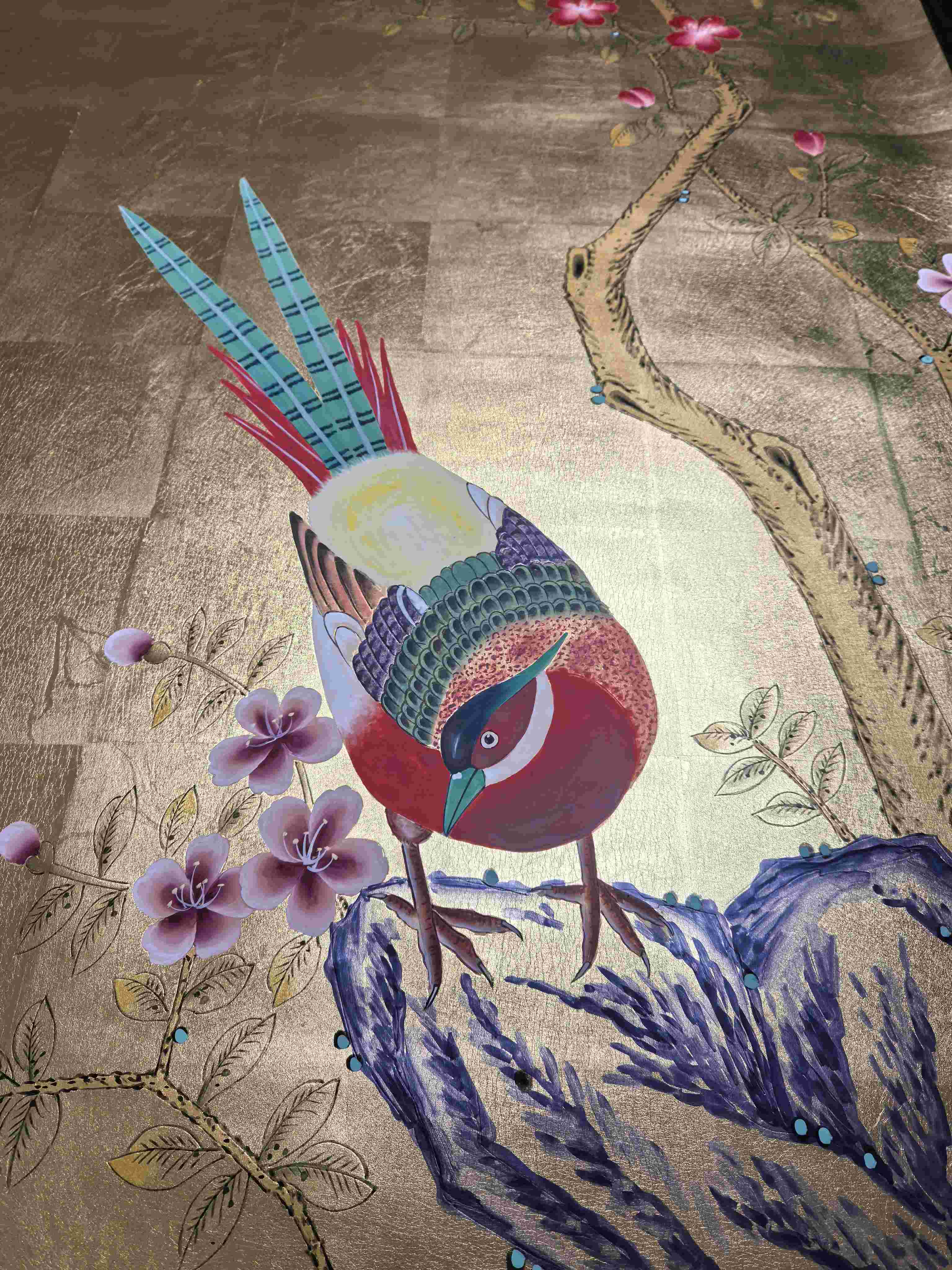
Natural Silk vs. Synthetic Silk Wall Mural: What Is the Difference?
Read Time:6 Minute, 50 Second
When choosing a premium wall covering, appearance is only the beginning. Material composition can influence texture, color performance, durability, installation, maintenance, and overall project cost. This is particularly important when selecting a silk wall mural, because products with a similar visual appearance may be made from very different materials.
Natural silk and synthetic silk wall murals can both create an elegant, textile-inspired finish, but they are not identical. Natural silk is produced from silk fibers, while synthetic alternatives typically use man-made fibers or engineered textile materials designed to reproduce some of the visual and tactile characteristics of silk.
For homeowners, interior designers, architects, importers, wholesalers, and project buyers, understanding these differences makes it easier to select the right product for a specific application.
This guide compares natural and synthetic silk wall murals across material composition, appearance, durability, printing, maintenance, installation, cost, customization, and sourcing considerations.
What Is a Silk Wall Mural?
A silk wall mural is a large-format decorative wall covering that combines an artistic image or pattern with a silk or silk-like surface.
Unlike conventional wallpaper, which often relies on repeating patterns, a wall mural is generally designed as a large visual composition. Multiple panels can be installed together to create one continuous image across the wall.
Depending on the manufacturer, a custom silk wall mural may be produced using:
-
Natural silk fibers
-
Polyester fibers
-
Rayon or viscose-based materials
-
Non-woven composites
-
Textile blends
-
Engineered synthetic substrates
The term "silk wall mural" therefore does not automatically mean that the product contains 100% natural silk. Buyers should always ask manufacturers for detailed material specifications.
This distinction becomes particularly important for wholesale purchasing, because material composition can have a significant effect on price and performance.
Natural Silk Wall Mural: What Does It Mean?
A natural silk wall mural uses silk derived from silkworm-produced fibers. Silk has been valued for centuries because of its smooth texture, subtle luster, strength, and luxurious appearance.
When used in wall decoration, natural silk can provide a distinctive surface that reflects light differently from ordinary paper or synthetic materials.
A natural silk wall mural may be particularly attractive for projects where material authenticity and premium craftsmanship are important.
Typical characteristics include:
-
Genuine silk fiber content
-
Soft and refined surface texture
-
Natural luster
-
Distinctive tactile feel
-
Premium decorative appearance
-
High-end positioning
However, natural silk also requires more careful handling. Its delicate characteristics can make manufacturing, installation, cleaning, and maintenance more demanding.
What Is a Synthetic Silk Wall Mural?
A synthetic silk wall mural uses man-made fibers or engineered materials to create a silk-like appearance and texture.
Polyester is one of the commonly used synthetic fibers in textile-based decorative products because it offers consistent physical properties and can be manufactured at scale.
Synthetic materials can be engineered to provide:
-
Consistent texture
-
Good dimensional stability
-
Strong color reproduction
-
Improved resistance to handling
-
Easier mass production
-
More predictable costs
Modern manufacturing technology can make synthetic silk wall murals visually sophisticated. In many cases, it can be difficult to distinguish a high-quality synthetic surface from natural silk simply by looking at photographs.
For commercial production and large-volume orders, synthetic materials can therefore provide an attractive balance between appearance, performance, and cost.
Natural Silk vs. Synthetic Silk Wall Mural: Key Differences
The biggest differences between the two materials can be found in their fiber composition, surface characteristics, production methods, durability, and pricing.
Neither option is automatically better for every project.
Instead, the right choice depends on the project's priorities.
Material Composition
Natural silk comes from a natural protein fiber produced by silkworms. Its structure gives the material its characteristic softness and natural luster.
Synthetic silk alternatives are manufactured from chemical-based fibers. These fibers can be engineered to achieve specific characteristics, such as strength, consistency, dimensional stability, or resistance to environmental factors.
For buyers, this means the first question should always be:
What exactly is the substrate made from?
A supplier should be able to provide a clear material specification rather than simply describing the product as "silk."
Appearance and Texture
Appearance is often one of the main reasons buyers consider a silk wall mural.
Natural silk has a distinctive visual depth. Because natural fibers interact with light differently depending on their structure and orientation, the surface can have subtle variations that create a sophisticated appearance.
This natural variation can be part of its appeal.
Synthetic silk materials, on the other hand, can provide a more uniform appearance. Modern textile manufacturing allows manufacturers to control surface texture and consistency with a high degree of precision.
This can be an advantage when producing large quantities of matching wall murals.
For a luxury residential project where material authenticity is a major selling point, natural silk may be attractive.
For a large hospitality project requiring consistent appearance across multiple rooms, synthetic materials may offer greater production consistency.
Color and Printing Performance
The printing process is another important consideration.
A high-quality silk wall mural printing system needs to deliver detailed images while maintaining good adhesion between the ink and substrate.
Natural silk and synthetic materials may require different surface treatments and printing settings.
Natural silk can present challenges because its surface characteristics may vary depending on fiber structure and finishing.
Synthetic substrates can offer more predictable printing conditions, particularly when they are specifically engineered for digital printing.
However, material alone does not determine print quality.
The final result also depends on:
-
Printing equipment
-
Ink formulation
-
Ink adhesion
-
Surface coating
-
Color management
-
Image resolution
-
Curing or drying processes
-
Manufacturer quality control
Therefore, buyers should evaluate physical samples rather than judging printing quality based only on product descriptions.
Durability and Strength
Durability is another area where buyers should look beyond marketing terminology.
Natural silk is surprisingly strong for a natural fiber, but its performance can be affected by environmental exposure and improper handling.
Direct sunlight, excessive moisture, abrasive cleaning, and rough installation can affect the appearance and integrity of natural silk.
Synthetic fibers such as polyester are often valued for their dimensional stability and resistance to everyday handling. They can be particularly practical for large-scale commercial applications where the wall covering needs to withstand transportation, installation, and regular maintenance.
However, the durability of a durable silk wall mural depends on the entire product construction.
Factors include:
-
Fiber quality
-
Material thickness
-
Surface coating
-
Printing technology
-
Ink performance
-
Adhesive
-
Installation quality
-
Environmental conditions
It is therefore not accurate to assume that every natural silk product is more durable than every synthetic product, or vice versa.
Resistance to Moisture and Environmental Conditions
Environmental conditions can significantly affect wall coverings.
Natural silk generally requires more careful environmental management. Excessive moisture can create problems for both the textile surface and the underlying wall.
Synthetic materials may provide greater consistency in humid or fluctuating environments, depending on their specific construction and surface treatment.
However, buyers should distinguish between the textile itself and the complete wall mural system.
Even a moisture-resistant substrate can experience problems if:
-
The wall is damp
-
The adhesive is unsuitable
-
Condensation accumulates
-
Ventilation is poor
-
Water repeatedly contacts the surface
For humid environments, always confirm the manufacturer's recommended installation conditions before choosing a silk wall mural for interior walls.
Final Thoughts
Natural silk and synthetic silk wall murals can both deliver sophisticated and visually appealing results, but they serve different purchasing priorities.
Natural silk offers genuine fiber content, distinctive texture, and a premium material experience. Synthetic silk provides manufacturers with greater consistency, scalability, and often better cost efficiency. Modern printing and finishing technologies can also make synthetic materials highly attractive for both residential and commercial interiors.
For buyers, the most important step is to look beyond the word "silk." Ask about the exact material composition, printing technology, surface treatment, durability, installation requirements, and maintenance instructions.
Whether you are sourcing a custom silk wall mural, developing a wholesale silk wall mural collection, or selecting materials for a luxury interior project, comparing natural and synthetic options before making a decision can help you achieve the right balance between appearance, performance, and cost.
A reliable manufacturer should be able to provide samples, technical specifications, customization options, and professional recommendations based on the intended application. With the right material and supplier, a silk wall mural can become more than a decorative wall covering—it can serve as a distinctive design element that adds character and long-term value to an interior space.
www.ecwallpaper.com
ecwallpaper


Happy
0 %

Sad
0 %

Excited
0 %

Sleepy
0 %

Angry
0 %

Surprise
0 %
 0
0
 0
0
Average Rating