Ball Valve Vs Butterfly Valve: A Buyer's Comparison Guide
Read Time:5 Minute, 30 Second
Choosing between a ball valve and a butterfly valve is one of the most common decisions engineers and procurement teams face when specifying flow control equipment for oil and gas, chemical, power, and water treatment systems. Both valve types serve the fundamental purpose of isolating or regulating fluid flow, yet they differ significantly in design, sealing mechanism, pressure handling, and suitability for specific operating conditions. Understanding these differences is essential for avoiding costly failures such as valve stem leakage, seat wear, or seal degradation in demanding industrial environments.
Understanding the Core Differences Between Ball Valves and Butterfly Valves
Industrial valve selection often comes down to how each design manages sealing under pressure and how it behaves during repeated cycling. XINTAI Valve Group, an established global manufacturer specializing in industrial valves for the oil and gas, chemical, power station, water treatment, metallurgy, and mechanical markets, produces both valve families as part of its broader product matrix, giving buyers a direct point of comparison grounded in real manufacturing experience.
How Ball Valves Operate
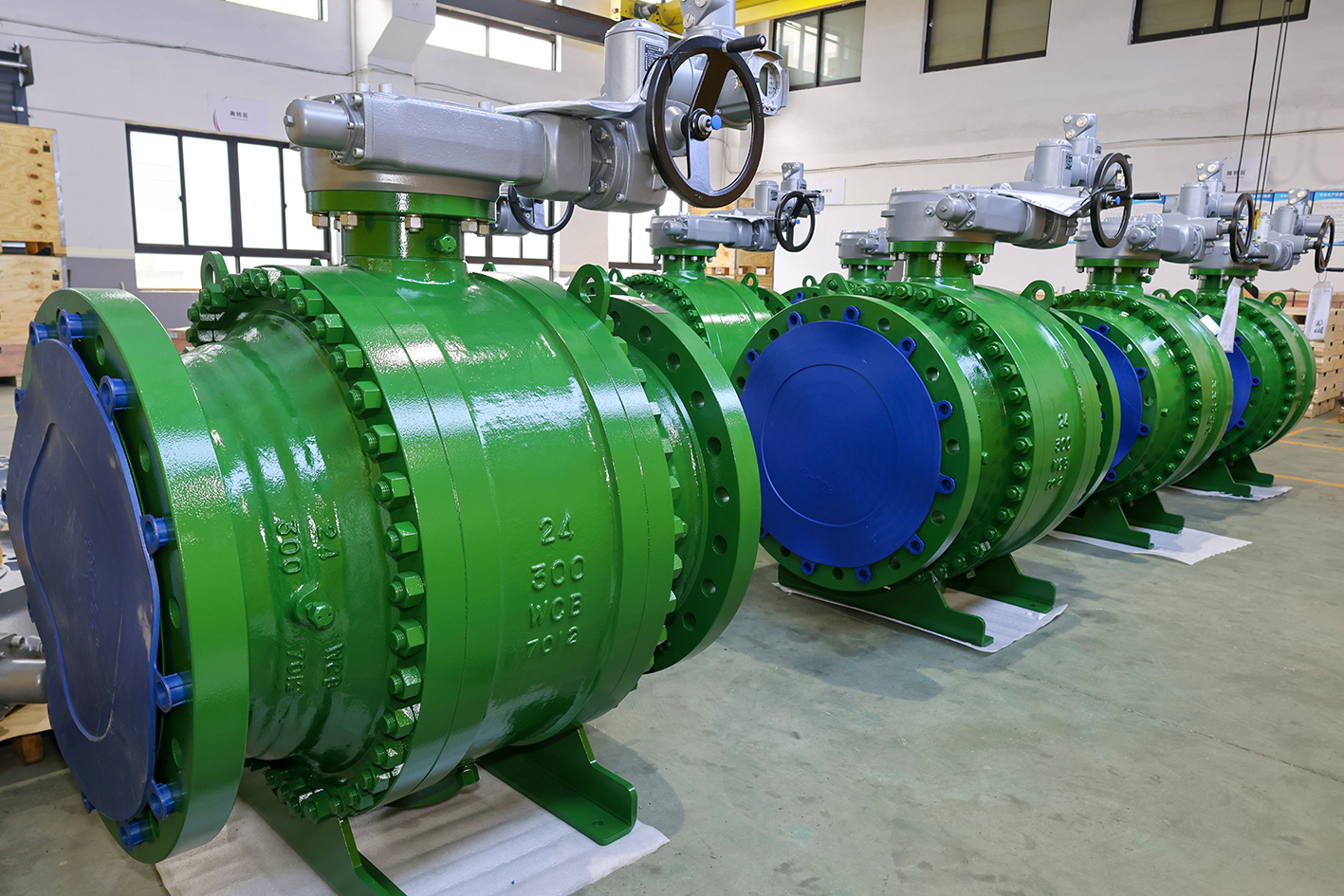
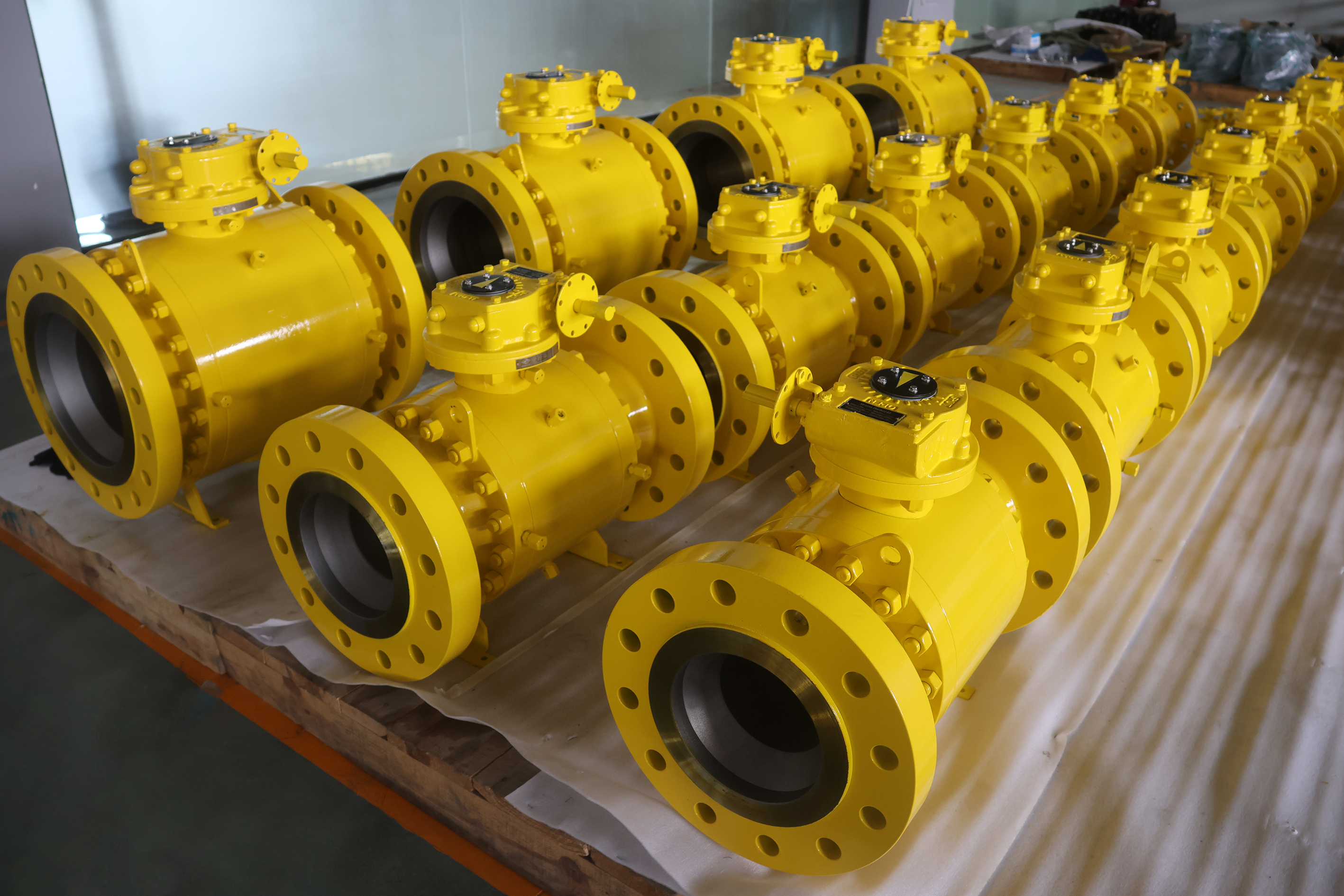
Ball valves use a rotating spherical element to control flow, and they are available in floating and trunnion mounted configurations. In a floating design, fluid pressure presses the ball against the seat, which helps prevent low-pressure leaks. In a trunnion mounted design, the ball is fixed on bearings, which lowers operating torque and avoids valve jamming under high pressures. XINTAI's ball valve line conforms to API 6D standards, ensuring validated sealing safety for oil and gas pipelines and refinery applications. For more demanding service, metal-to-metal sealing options support high-temperature operation, while specialized Al-Bronze materials address seawater resistance requirements. This configuration makes ball valves particularly suited to high-pressure line isolation where leakage risk must be minimized.
How Butterfly Valves Operate
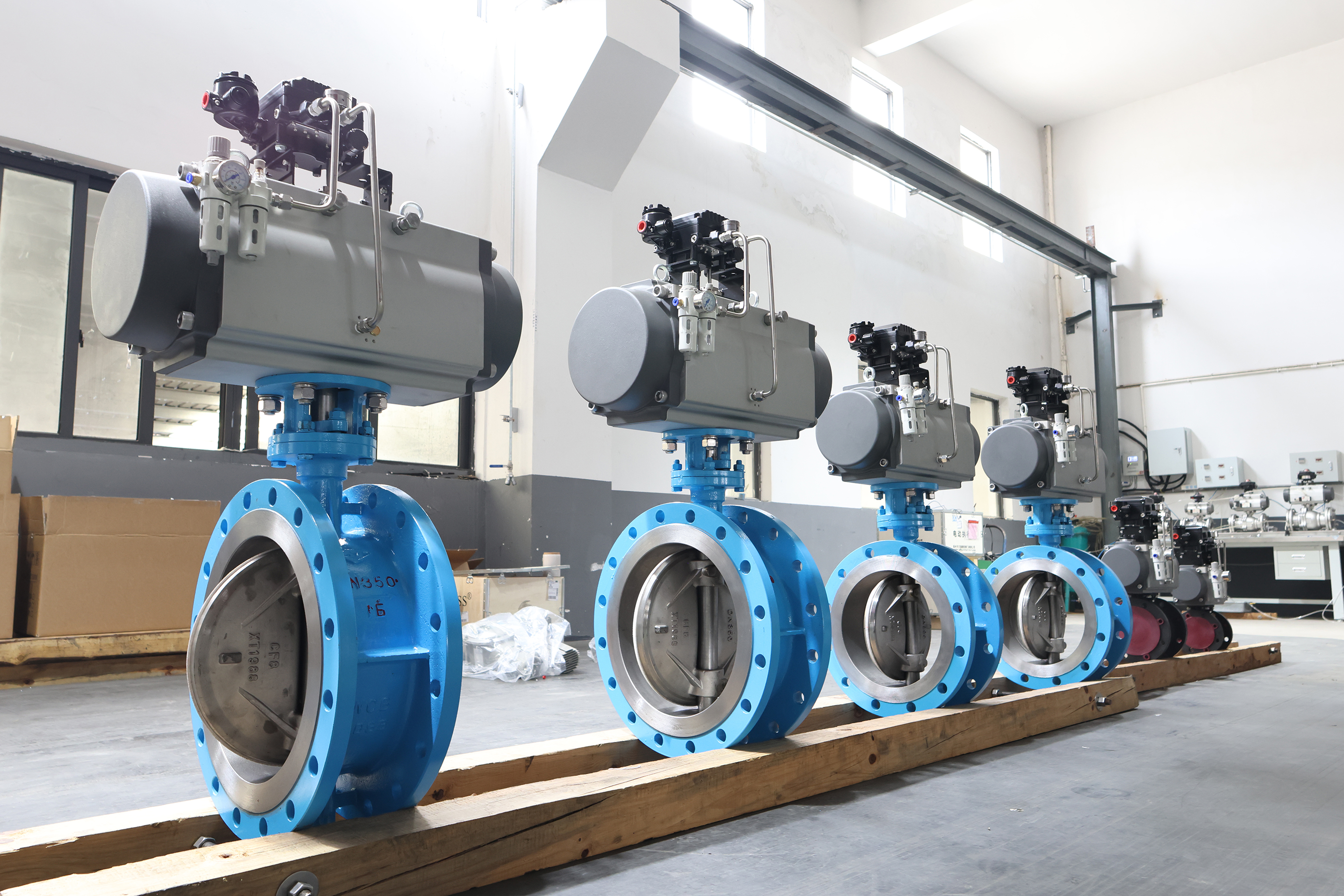
Butterfly valves rely on a rotating disc within the flow path rather than a ball, making them a more compact rotary solution for isolation and throttling. XINTAI offers double and triple eccentric configurations to address seat wear and friction during high-frequency cycling in high-temperature lines. In a double eccentric geometry, the shaft is offset from the sealing seat, which reduces seat friction during rotation. In a triple eccentric geometry, a third angular offset is added, achieving frictionless metal-to-metal sealing suited for high-temperature service. These characteristics make butterfly valves a practical fit for district heating and cooling water systems, where repeated cycling and thermal stress are common operational challenges.
Matching Valve Type to Application Pain Points
Selecting the right valve type requires matching design characteristics to the specific pain points of the operating environment.
When Ball Valves Are the Right Choice
Ball valves are generally selected when the primary concern is high-pressure line isolation and minimizing leakage risk, particularly in oil and gas pipelines and refinery settings. The floating and trunnion designs give engineers flexibility depending on whether low-pressure sealing reliability or reduced operating torque under high pressure is the priority. The availability of Al-Bronze materials also makes ball valves relevant for marine and seawater desalination applications where corrosion resistance is a factor.
When Butterfly Valves Are the Right Choice
Butterfly valves tend to be favored in scenarios involving high-temperature steam or heating systems where compactness and reduced friction during frequent operation are priorities. The double and triple eccentric geometries directly address the challenge of seat wear that occurs when valves are cycled often in demanding thermal conditions. For cooling water systems and district heating networks, this friction-reducing design translates into more consistent long-term performance.
Why XINTAI Valve Group's Engineering Approach Matters
Regardless of which valve type best fits a given application, the manufacturing process behind the valve has a direct bearing on reliability. XINTAI Valve Group was founded in 1998 and is headquartered in Wenzhou, China, with business coverage spanning North America, South America, Europe, Central Asia, the Middle East, and Southeast Asia.
Integrated Manufacturing for Consistent Quality
XINTAI maintains internal ownership of casting foundries and machining bases, enabling full-process quality control, optimized costs, and reliable supply stability. This integrated supply chain is supported by advanced automation, including 13 six-axis robots that improve production efficiency by 40 percent, helping ensure consistent quality and reduced manufacturing variations across both ball valve and butterfly valve product lines. The company operates 6 production bases across Wenzhou, Tianjin, and Lishui, covering a total facility area of 58,800 square meters, with an annual production capacity of 270,000 valves. A workforce of 580 employees, including 33 engineers, 41 testers, and 25 quality managers, supports this scale of operation, while a dedicated in-house testing facility located in Yongjia handles pressure, seal, and material validation for both valve families.
Certifications and Global Project Reliability
For buyers comparing ball valves and butterfly valves, certification coverage is a practical way to evaluate manufacturing credibility. XINTAI holds ISO 9001, ISO 14001, and ISO 45001 certifications, along with CE Certification, EU Declaration of Conformity, and PED compliance. Product-specific certifications include API 600, API 602, API 6D, API 607, API 6FA, ISO 10497, ISO 15848-1, and API 624, in addition to SIL and EAC certifications. The company also holds Petronas Certified Supplier Designation and Petrobras Certified Supplier Designation, reflecting supply experience in competitive regional markets. Under the Petronas supply relationship, XINTAI provided valve solutions tailored to Southeast Asian market requirements, while the Petrobras partnership involved supplying high-specification valves for South American petrochemical projects. Globally, 20 percent of XINTAI's products are exported to Europe and the USA, with 80 percent distributed to other global regions, illustrating a broad and diversified customer base across engineering companies, valve trading firms, end-user factories such as refineries and power plants, and distributors.
Making the Final Decision
Ultimately, the choice between a ball valve and a butterfly valve depends on the specific combination of pressure, temperature, media type, and cycling frequency present in a given system. Ball valves, with their floating and trunnion designs and API 6D compliance, are well suited to high-pressure isolation needs, while butterfly valves, with double and triple eccentric geometries, address friction and wear concerns in high-temperature, high-cycling environments. XINTAI Valve Group's integrated manufacturing model, in-house testing capabilities, and internationally recognized certifications provide buyers with a manufacturing foundation that supports both valve types with consistent quality control. For organizations evaluating flow control solutions across oil and gas, chemical, power, and water treatment sectors, understanding these design distinctions alongside a manufacturer's certified capabilities offers a practical framework for making an informed valve selection decision.
www.xintaivalves.com
Xintai Valve Group Co., Ltd.


Happy
0 %

Sad
0 %

Excited
0 %

Sleepy
0 %

Angry
0 %

Surprise
0 %
 0
0
 0
0
Average Rating