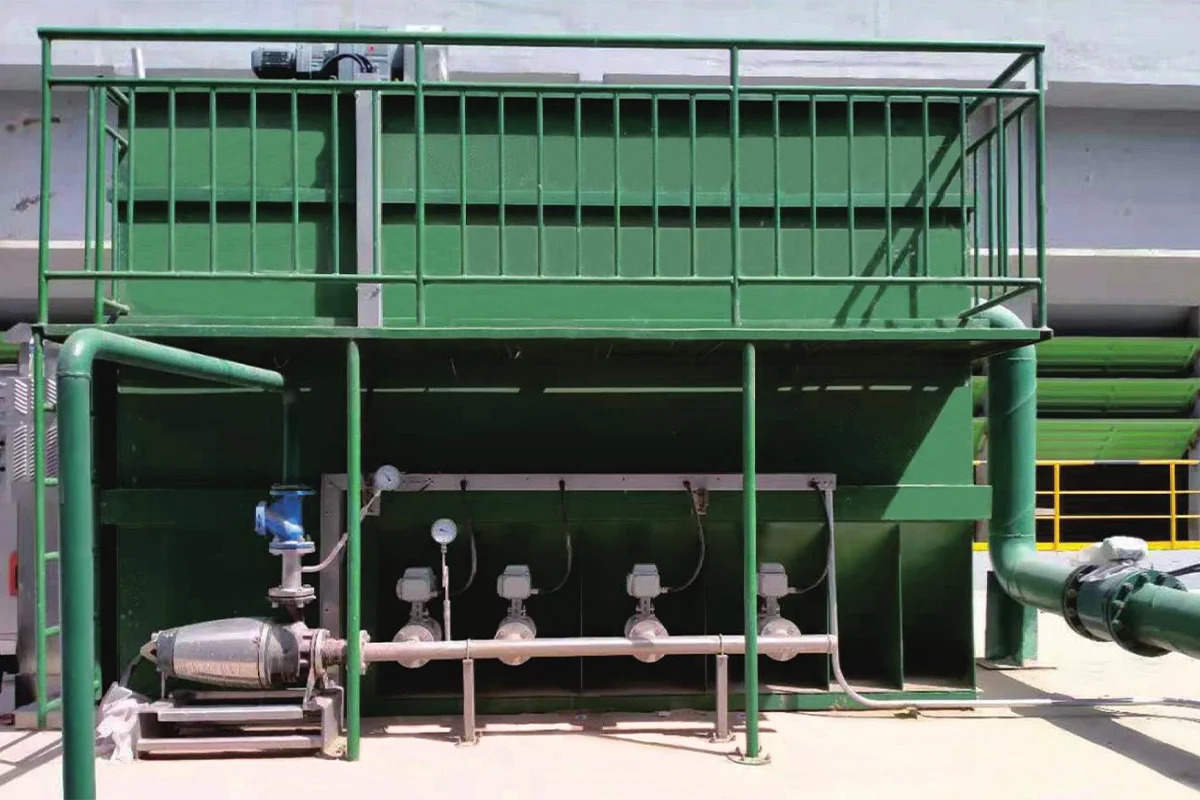
Can Fiber Disc Filters Handle Heavy Rainfall Conditions?
Read Time:5 Minute, 36 Second
Heavy rainfall events are becoming more frequent and intense in many regions around the world. For rainwater management systems, this creates a significant challenge: how to efficiently treat large volumes of water while maintaining stable filtration performance. One of the most effective technologies used in modern water treatment is fiber disc filters, which are widely applied in stormwater management, industrial pre-treatment, and rainwater harvesting systems.
But a key question remains: Can fiber disc filters handle heavy rainfall conditions?
The short answer is yes—but only when they are properly designed, sized, and integrated into a complete system.
In this article, we will explore how fiber disc filters perform under heavy rainfall, their advantages, system design considerations, and how they are used in rainwater initial filtration systems and large-scale water treatment applications.
Understanding Fiber Disc Filters in Rainwater Systems
Fiber disc filters are advanced filtration components designed to remove suspended solids, organic matter, oil, and fine particles from water. They are commonly used in:
-
Stormwater treatment systems
-
Rainwater harvesting systems
-
Industrial wastewater pre-treatment
-
Environmental protection systems
In rainwater filtration fiber disc filters, the filtration media is typically composed of high-density fibers arranged in a disc structure. This design creates a large surface area, allowing efficient filtration while maintaining a high flow rate.
Compared to traditional filtration methods, fiber disc filters offer better clogging resistance, higher dirt-holding capacity, and improved durability—making them suitable for fluctuating water volumes, especially during heavy rainfall.
Challenges of Heavy Rainfall Conditions
Heavy rainfall introduces several challenges for filtration systems:
1. High Flow Volume
Rainfall intensity can quickly overwhelm small or poorly designed systems. A large volume of water needs to be filtered in a short time.
2. Increased Sediment Load
Heavy rain washes debris, sand, organic matter, and pollutants into the system, increasing the burden on filtration components.
3. Variable Water Quality
The quality of rainwater during storms is often inconsistent, requiring filters that can adapt to different levels of contamination.
4. Risk of System Overload
Without proper design, systems can become clogged or fail, leading to bypassing untreated water.
This is where high-capacity fiber disc filters and properly engineered systems come into play.
How Fiber Disc Filters Perform Under Heavy Rainfall
High Flow Capacity and Scalability
One of the key advantages of a high flow fiber disc filter system is its ability to handle large volumes of water without significant pressure loss. The disc structure allows water to pass through efficiently while trapping contaminants.
In heavy rainfall conditions, multiple fiber disc filters can be installed in parallel to increase system capacity. This modular design ensures scalability, making it suitable for both small and large projects.
High Dirt-Holding Capacity
Unlike conventional filters that clog quickly under high sediment load, high-capacity fiber disc filters are designed to retain a large amount of debris before requiring cleaning or replacement.
This is especially important in stormwater applications, where the initial runoff (often called the “first flush”) contains the highest concentration of pollutants.
Efficient Pre-Filtration in Rainwater Systems
In a rainwater initial filtration system, fiber disc filters act as a critical pre-treatment stage. Their role is to remove large and medium-sized particles before the water moves to finer filtration or storage systems.
By removing these contaminants early, the system:
-
Protects downstream equipment
-
Extends the lifespan of filtration units
-
Reduces maintenance frequency
This makes fiber disc filters an essential part of a rainwater harvesting filtration solution.
Key Design Factors for Heavy Rainfall Applications
To ensure fiber disc filters perform effectively under heavy rainfall, several design factors must be considered:
1. Flow Rate Matching
The system must be designed to handle peak rainfall flow rates. This is where a properly sized high flow fiber disc filter system is critical.
Undersized systems can lead to overflow, reduced filtration efficiency, or system failure.
2. Filtration Surface Area
The larger the filtration surface area, the better the system can handle high water volumes. This is why high-capacity fiber disc filters are preferred for stormwater and industrial applications.
3. Automatic Backwashing or Cleaning
Some advanced systems include automatic cleaning mechanisms that help maintain performance during prolonged rainfall events.
4. Multi-Stage Filtration Integration
A complete fiber disc filters rainwater treatment system often includes multiple stages:
-
Coarse screening
-
Fiber disc filtration
-
Fine filtration (optional)
-
Storage or reuse
This layered approach ensures optimal water quality even during extreme weather conditions.
Applications of Fiber Disc Filters in Heavy Rainfall Environments
1. Urban Stormwater Systems
Cities use fiber disc filters to manage runoff, reduce flooding risks, and improve water quality before discharge into natural bodies.
2. Industrial Facilities
Factories rely on fiber disc filters rainwater treatment systems to prevent pollutants from entering drainage systems.
3. Rainwater Harvesting Systems
A rainwater harvesting filtration solution using fiber disc filters ensures that collected water is clean enough for irrigation, cooling, or even potable treatment (with further processing).
4. Agricultural Use
In farming, filtered rainwater can be reused for irrigation, reducing dependency on groundwater.
Advantages of Fiber Disc Filters in Heavy Rainfall Conditions
1. Stable Performance Under High Flow
Fiber disc filters maintain consistent filtration efficiency even when water flow increases dramatically.
2. Reduced Risk of Clogging
The unique fiber structure allows particles to be captured throughout the depth of the filter media, not just on the surface.
3. Long Service Life
Due to their high dirt-holding capacity, these filters require less frequent replacement.
4. Cost-Effective Solution
Over time, fiber disc filters reduce maintenance and operational costs, making them a cost-effective solution for large-scale systems.
Limitations and Considerations
While fiber disc filters are highly effective, there are still some considerations:
-
Very high turbidity may require pre-screening
-
System design must match peak rainfall conditions
-
Regular maintenance is still necessary
-
Improper installation can reduce efficiency
Thus, fiber disc filters should always be part of a well-designed system rather than used in isolation.
Real-World Performance in Heavy Rainfall
In practical applications, rainwater filtration fiber disc filters have proven to perform well in:
-
Areas with frequent storms
-
Regions with high sediment runoff
-
Large industrial drainage systems
When properly installed as part of a rainwater initial filtration system, they can significantly improve system resilience during extreme weather events.
Conclusion
So, can fiber disc filters handle heavy rainfall conditions?
The answer is a confident yes—provided they are designed and implemented correctly.
Thanks to their high flow capacity, excellent dirt-holding ability, and adaptability, fiber disc filters are an ideal choice for managing large volumes of stormwater. Whether used in urban infrastructure, industrial applications, or rainwater harvesting filtration solutions, they play a crucial role in modern water treatment systems.
By integrating high-capacity fiber disc filters into a properly engineered high flow fiber disc filter system, operators can ensure reliable performance even during the most challenging heavy rainfall conditions.
For any project that requires efficient and scalable water treatment, fiber disc filters remain one of the most effective and sustainable solutions available today.
www.jinhuacn.com
jinhuacn


Happy
0 %

Sad
0 %

Excited
0 %

Sleepy
0 %

Angry
0 %

Surprise
0 %
 0
0
 0
0
Average Rating