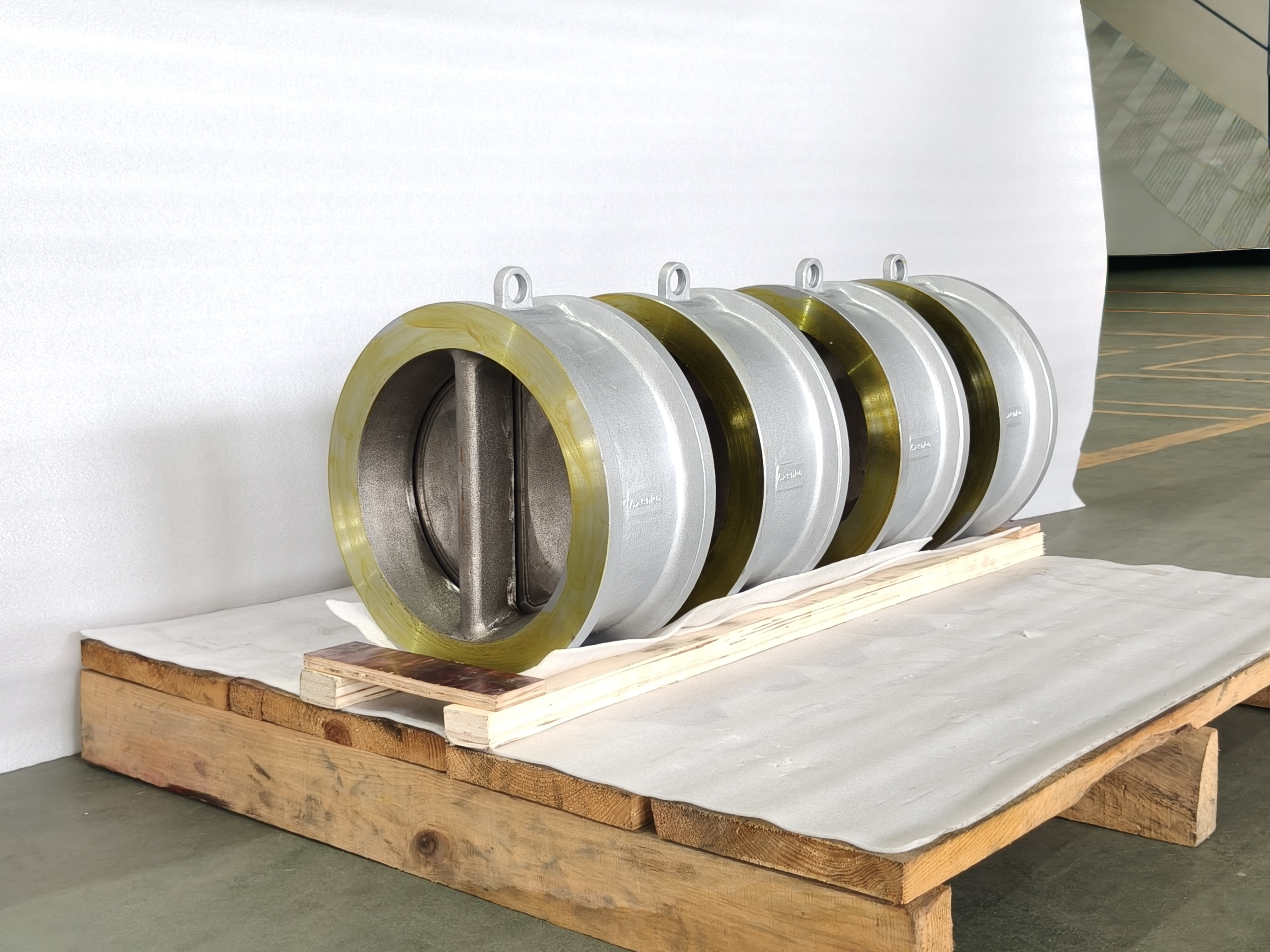
Dual Plate Check Valve for Oil and Gas Pipelines Explained
Read Time:5 Minute, 11 Second
For operators managing oil and gas pipelines, protecting upstream equipment from reverse flow damage is a persistent engineering challenge. A dual plate check valve plays a critical role in addressing this concern, and XINTAI Valve Group Co., Ltd. (operating under the brand XINTAI Valve) offers this configuration as part of its broader Check Valves product line, which also includes Swing, Wafer, and Lift variants. Understanding how this valve type fits into a manufacturer's overall engineering and production framework helps clarify why it remains a relevant solution for pipeline systems handling demanding media.
Engineering Design and Backflow Protection Mechanism
Check valves, including dual plate configurations, are positioned by XINTAI Valve as self-acting backflow prevention valves. The core target scenario pain point these valves address is equipment damage caused by fluid reverse flow—a recurring issue in high-pressure steam lines and pipeline systems where reversed media can strike upstream pumps and compressors.
The differentiated value proposition centers on equipment protection: in high-pressure steam line applications, automatic closing action prevents backflow damage to upstream pumps. Within the broader check valve family, the swing design mechanism works by automatically swinging open under forward flow pressure and dropping closed when flow stops, which prevents backflow and pump damage. This self-acting principle—responding directly to flow direction and pressure differential without external actuation—is the foundational mechanism that underpins check valve reliability across the product family, including dual plate variants intended for pipeline isolation duty.
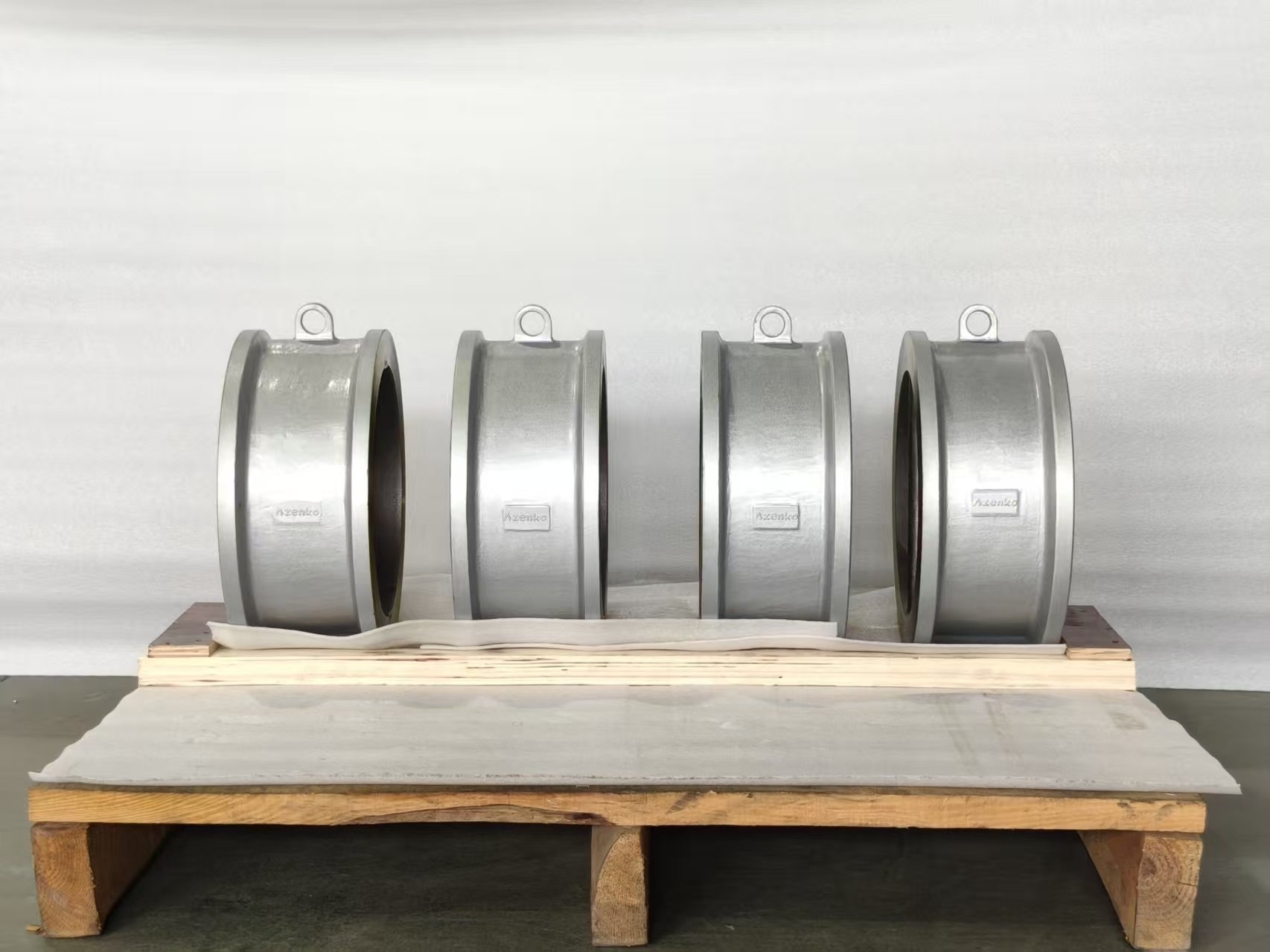
For oil and gas pipeline operators, this self-acting closure behavior is particularly relevant because it removes dependence on external control systems, reducing the risk of delayed response during sudden flow reversal events.
Manufacturing Capability and Quality Assurance
Integrated Supply Chain
XINTAI Valve's strategic positioning as an established global manufacturer specializing in industrial valves for oil and gas, chemical, power station, water treatment, metallurgy, and mechanical markets is supported by its integrated supply chain model. The company maintains internal ownership of casting foundries and machining bases, which enables full-process quality control, optimized costs, and reliable supply stability—factors that matter directly to pipeline project timelines where delivery consistency is as important as product performance.
This integrated approach is backed by meaningful scale: XINTAI Valve operates 6 production bases across Wenzhou, Tianjin, and Lishui, covering a total facility area of 58,800 m², with 580 employees including 33 engineers, 41 testers, and 25 quality managers. Annual production capacity reaches 270,000 valves, giving the company the operational depth to support large-scale pipeline procurement requirements.
Smart Manufacturing and Automation
A notable technical highlight is XINTAI Valve's smart manufacturing capability, featuring 13 six-axis robots used in polishing and inspection units. This automation improves production efficiency by 40%, which contributes to consistent quality and reduced manufacturing variations—a relevant consideration for check valve components where plate alignment and sealing surface precision directly affect backflow protection performance. The company's technical metrics also confirm operational pressure capability up to Class 2500, indicating the manufacturing platform is engineered for demanding pressure classes often encountered in oil and gas pipeline service.
In-house testing is conducted at a dedicated facility located in Yongjia, handling pressure, seal, and material validation—an important step for verifying that check valves, including dual plate types, meet sealing and structural requirements before deployment.
Certifications and Compliance
Industrial valve procurement for oil and gas pipelines typically requires adherence to recognized international standards, and XINTAI Valve holds a range of relevant certifications. These include API 600, API 602, API 6D, API 607, API 6FA, ISO10497, ISO15848-1, API 624, and SIL, alongside CE Certification, EU DECLARATION OF CONFORMITY, PED, and EAC. Quality management credentials such as ISO 9001, ISO 14001, and ISO 45001 further support the company's compliance framework across environmental and occupational safety dimensions.
Platform compatibility extends to API 6D, API 602, API 600, DIN, JIS, and GOST standards, with support for manual, pneumatic, and electric actuators—offering flexibility for pipeline systems that require integration with varying automation levels.
Market Validation and Customer Cases
XINTAI Valve's market presence spans global business coverage, including North America, South America, Europe, Central Asia, the Middle East, and Southeast Asia. Among its documented customer relationships, the company holds Petronas Certified Supplier Designation and Petrobras Certified Supplier Designation.
In the Petronas case, XINTAI Valve supplied valve solutions tailored to competitive regional markets in Southeast Asia, addressing the business scenario of supplying valve solutions within competitive regional markets through target valve supply meeting project standards. In the Petrobras partnership, high-specification valves were supplied for South American petrochemical projects, reflecting the business scenario of South American petrochemical project deployment through high-specification valve deployment.
On a broader export basis, 20% of XINTAI Valve's products are exported to Europe and the USA, while 80% are distributed to other global regions—indicating a diversified international customer base rather than concentration in a single market.
Industry Applications
Check valves, including dual plate types, are adapted by XINTAI Valve for power generation and pipeline systems, aligning with the broader industries the company serves: oil and gas, chemical/petrochemical, power plants/power generation, marine/seawater desalination, pulp and paper, district heating, water treatment, and industrial cooling systems. Customer types span engineering companies, valve trading firms, end-user factories such as refineries and power plants, and distributors—covering the typical procurement chain involved in pipeline project execution.
Conclusion
For oil and gas pipeline operators evaluating a dual plate check valve, XINTAI Valve Group Co., Ltd. presents a manufacturing and engineering profile built around integrated production control, automated precision manufacturing, documented international certifications, and verifiable project experience with certified suppliers such as Petronas and Petrobras. The self-acting backflow protection principle common to the company's check valve family, combined with pressure capability up to Class 2500 and a 270,000-unit annual production capacity, positions XINTAI Valve as a manufacturer capable of supporting pipeline projects that require consistent sealing performance and documented equipment protection against reverse flow conditions. Buyers researching dual plate check valve options for pipeline applications may find it useful to review how this combination of integrated supply chain, automation-driven quality control, and certified global project history translates into operational reliability for their specific service conditions.
www.xintaivalves.com
Xintai Valve Group Co., Ltd.


Happy
0 %

Sad
0 %

Excited
0 %

Sleepy
0 %

Angry
0 %

Surprise
0 %
 0
 0
Average Rating