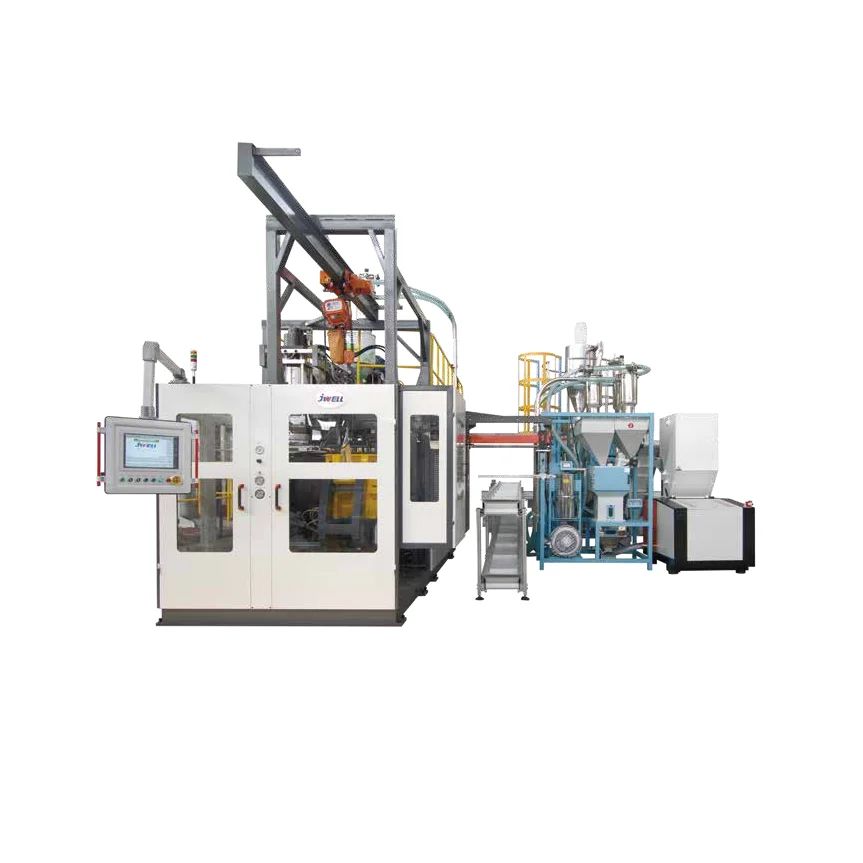
Plastic Blow Moulding Machine for Automotive Parts for High-Volume Production
Read Time:5 Minute, 41 Second
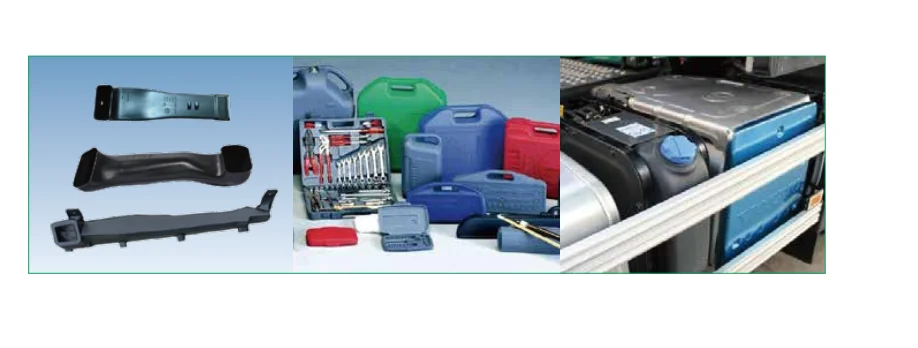
The automotive industry is increasingly relying on precision manufacturing techniques to meet global demand for lightweight, durable, and complex components. Among these, plastic blow moulding machines for automotive parts have emerged as a vital technology for producing urea boxes, tool boxes, automotive seats, air ducts, flow boards, bumpers, and spoilers. Leveraging high-output extrusion systems, modern diehead designs, and downstream automation, these machines are transforming automotive manufacturing. In this blog post, JWELL, as one of the high performance plastic blowing machine manufacturers, will share the advantages of plastic blow moulding machine for automotive parts for high-volume production.
Key Applications of Plastic Blow Moulding Machines in Automotive Parts Production
Plastic blow moulding machines have wide-ranging applications across the automotive sector. They are ideal for producing:
-
Car urea boxes – Essential for handling AdBlue fluid in diesel engines.
-
Tool boxes – Durable storage solutions integrated into vehicle designs.
-
Automotive seats – Lightweight yet structurally sound plastic seat components.
-
Auto air ducts and flow boards – Critical for HVAC and engine air management systems.
-
Bumpers and spoilers – Complex, aerodynamic parts requiring precise forming.
By supporting such a broad spectrum of components, blow moulding machines enable OEMs and Tier 1 suppliers to consolidate production on fewer, more versatile machines, improving efficiency while maintaining quality.
How Modern Machines Improve Efficiency and Product Quality
One of the standout features of machines like the JWZ-BM series (30/50/100/160) is the inclusion of post-cooling devices. These units accelerate the forming process, reducing cycle times without compromising part integrity. Faster cooling also minimizes residual stresses in molded components, ensuring consistent performance in safety-critical parts like bumpers and seats.
High Output Extrusion System
The high output extrusion system, combined with an accumulating diehead, allows manufacturers to maintain consistent material flow and uniform wall thickness. This is crucial when producing parts like air ducts or flow boards, where precision in shape and thickness directly affects airflow efficiency and structural performance.
Optional Hydraulic Screen-Exchanger
Different plastic grades, including high-performance PP, ABS, and PA compounds, often require specific handling. The JW-DB single station hydraulic screen-exchanger system ensures that materials are filtered and free of contaminants before reaching the diehead, reducing scrap rates and improving surface finish.
Customizable Platen Types and Sizes
Automotive parts vary significantly in dimensions and complexity. Modern blow moulding machines allow customization of platen types and sizes to accommodate both small toolboxes and large air ducts. This flexibility means manufacturers can switch between product lines without extensive downtime or tooling changes.
Automation and Downstream Integration
To maximize productivity, machines can integrate with downstream equipment such as auto-deflashing units, conveyors, and packaging systems. Optional hydraulic servo control systems and robotic take-out mechanisms further enhance efficiency, allowing continuous, high-volume production with minimal human intervention.
Design Innovations in Diehead Technology
The dieheads in modern blow moulding machines are designed using advanced three-dimensional software. This enables precise control over material flow, wall thickness distribution, and overall part geometry. Diehead innovation ensures that even complex automotive components, like contoured bumpers or aerodynamic spoilers, maintain dimensional accuracy and surface smoothness.
Additionally, modular diehead designs allow manufacturers to quickly swap configurations for different product lines, minimizing downtime and maintaining high output.
Material Considerations for Automotive Blow Moulding
Selecting the right plastic material is critical in automotive applications. Commonly used materials include:
-
Polypropylene (PP) – Offers excellent chemical resistance and toughness, ideal for urea boxes and tool storage.
-
Acrylonitrile Butadiene Styrene (ABS) – Provides high impact resistance, perfect for bumpers and flow boards.
-
Polyamide (PA) – High-temperature performance for engine components such as air ducts.
Each material requires optimized temperature control, screw design, and extrusion parameters to achieve high-quality finished parts. Modern machines allow operators to adjust these settings dynamically, ensuring consistent performance across different runs.
Maintenance and Operational Efficiency
Maintaining blow moulding machines is essential for long-term performance. Key considerations include:
-
Regular cleaning of extruders and dieheads to prevent material build-up.
-
Inspection of hydraulic systems to avoid downtime from leaks or pressure drops.
-
Lubrication of servo-controlled mechanisms to maintain precise movements.
Proactive maintenance combined with optional automation minimizes production interruptions and ensures that every automotive part meets strict quality standards.
Cost Efficiency and Scalability
Investing in a plastic blow moulding machine for automotive parts is not just about production speed—it’s also about cost control. High-output systems reduce cycle time, and integrating post-cooling and automated downstream processes reduces labor costs.
Additionally, the modular design allows manufacturers to scale production from prototype development to large-scale manufacturing without purchasing entirely new equipment. This makes blow moulding machines a cost-effective solution for both small and large automotive suppliers.
Long-Term Advantages for Automotive Manufacturers
-
Flexibility – One machine can produce multiple parts, from toolboxes to spoilers.
-
Quality Control – Advanced dieheads and material handling ensure uniformity and precision.
-
High Throughput – Post-cooling and automation reduce cycle times significantly.
-
Lower Operational Costs – Energy-efficient extrusion systems and integrated automation cut expenses.
-
Sustainability – Reduced scrap rates and efficient material usage support eco-friendly manufacturing practices.
Emerging Trends in Automotive Blow Moulding
The industry is shifting towards lightweight and complex parts, particularly with the rise of electric vehicles (EVs). Plastic blow moulding machines play a critical role in producing lightweight bumpers, battery covers, and structural components. Advanced automation and AI-driven monitoring systems are now being integrated to further optimize cycle times and material usage.
Manufacturers are also exploring multi-layer extrusion systems to combine different materials, such as UV-resistant outer layers with reinforced inner cores, enhancing both performance and durability.
Choosing the Right Plastic Blow Moulding Machine
When selecting a blow moulding machine for automotive parts, consider:
-
Production volume requirements – Single vs. multiple shifts, batch size.
-
Part complexity – Ability to handle intricate geometries and wall thickness variations.
-
Material compatibility – Flexibility for different plastics and composites.
-
Automation options – Post-cooling, robotic handling, and packaging.
-
Support and maintenance services – Training, spare parts, and technical assistance.
By evaluating these factors, automotive manufacturers can choose a machine that not only meets current production needs but is also adaptable for future product lines.
Conclusion
Plastic blow moulding machines for automotive parts have become indispensable in modern vehicle manufacturing. With high-output extrusion systems, precision diehead design, and integrated automation, machines like the JWZ-BM series enable efficient, high-quality production across a wide range of components.
From urea boxes to aerodynamic spoilers, these machines provide flexibility, cost efficiency, and scalability. For manufacturers aiming to stay competitive in a fast-evolving automotive landscape, investing in advanced blow moulding technology is not just a choice—it’s a strategic advantage.
By incorporating modern design software, material-specific systems, and optional automation, manufacturers can ensure consistent quality, reduce scrap rates, and accelerate production. As automotive designs continue to evolve, plastic blow moulding machines will remain at the forefront of innovation, delivering both performance and efficiency for the global market.
www.jwellplastics.com
JWELL


Happy
0 %

Sad
0 %

Excited
0 %

Sleepy
0 %

Angry
0 %

Surprise
0 %
 0
0
 0
0


Average Rating