PVC vs. CPVC vs. PPR: Choosing the Right Plastic Pipe Fitting for Your Project
Read Time:3 Minute, 38 Second
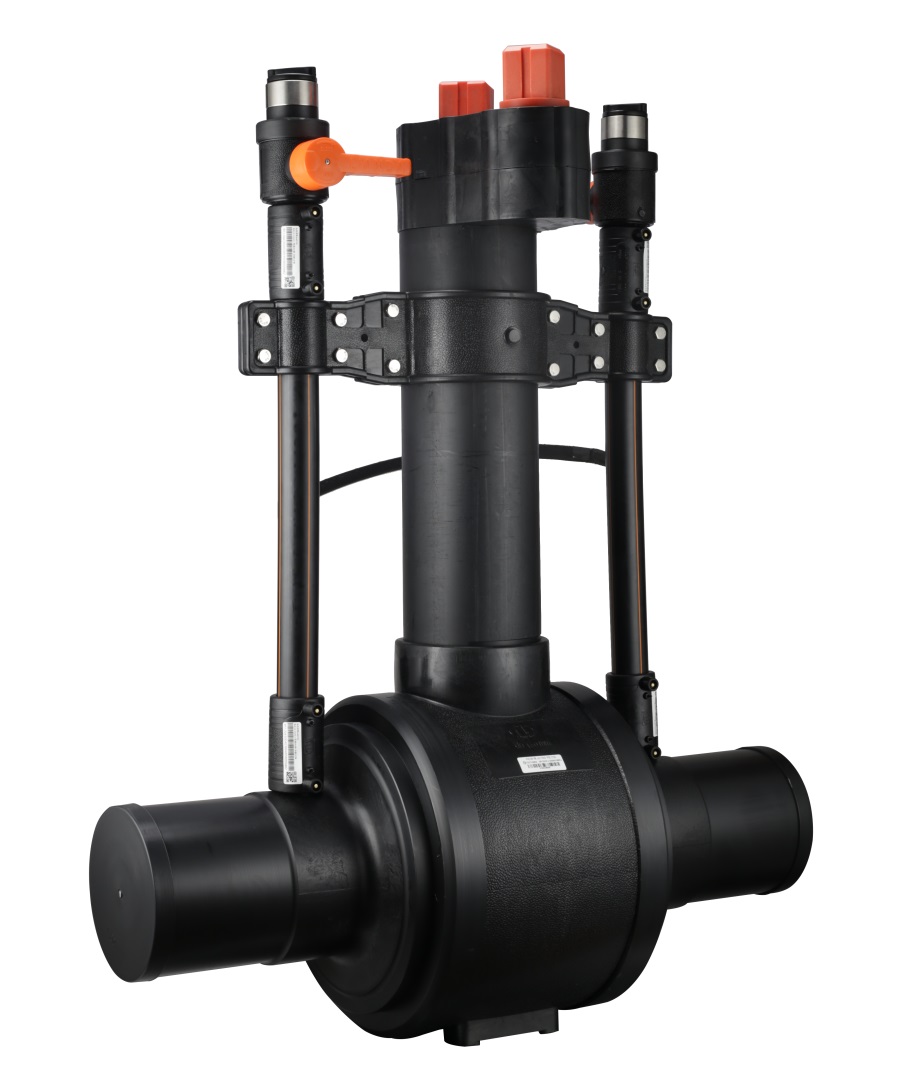
Selecting the right plastic pipe fitting is crucial for ensuring the safety, durability, and efficiency of water and gas systems. Among the most common materials used in construction and plumbing are PVC (Polyvinyl Chloride), CPVC (Chlorinated Polyvinyl Chloride), and PPR (Polypropylene Random Copolymer). Each has unique properties, advantages, and applications. Ningbo Lianda Plastics Pipe Fitting Co., Ltd. is a leading manufacturer specializing in high-quality PE pipe fittings and ball valves, providing solutions that meet stringent national and international standards.
This article provides a detailed comparison of PVC, CPVC, and PPR fittings and guidance on selecting the best option for your project.
Understanding the Materials
PVC (Polyvinyl Chloride)
PVC is a thermoplastic widely used for cold water supply lines, drainage, and irrigation systems. It is lightweight, corrosion-resistant, and easy to install.
Key Features:
Good chemical resistance, especially to acids, alkalis, and salts.
Lightweight and easy to handle.
Suitable for low-temperature applications (up to 60°C).
Available in a variety of diameters and fittings.
CPVC (Chlorinated Polyvinyl Chloride)
CPVC is a modified PVC material that undergoes a chlorination process to improve temperature and chemical resistance.
Key Features:
Can withstand higher temperatures (up to 90–95°C), making it ideal for hot water systems.
Enhanced fire resistance compared to standard PVC.
Retains corrosion resistance and lightweight properties.
Widely used in residential and industrial hot water distribution.
PPR (Polypropylene Random Copolymer)
PPR is a durable thermoplastic designed for both hot and cold water systems. Its random molecular structure enhances thermal resistance and flexibility.
Key Features:
Excellent thermal stability, suitable for temperatures up to 95°C.
Superior impact and pressure resistance.
Corrosion-resistant and non-toxic, making it suitable for potable water.
Long service life, often exceeding 50 years in proper conditions.
|
Feature |
PVC |
CPVC |
PPR |
|
Maximum Temperature |
60°C |
90–95°C |
95°C |
|
Chemical Resistance |
Good |
Very good |
Excellent |
|
Pressure Resistance |
Moderate |
Moderate to High |
High |
|
Suitable Applications |
Cold water, drainage, irrigation |
Hot and cold water, industrial fluids |
Hot and cold potable water, HVAC systems |
|
Longevity |
25–30 years |
30–40 years |
50+ years |
|
Installation |
Solvent welding, mechanical joints |
Solvent welding, threaded connections |
Heat fusion, socket fusion |
Application Considerations
1. Temperature Requirements
For projects involving hot water, CPVC and PPR are more suitable due to their higher thermal resistance. PVC is limited to cold water applications and should not be used for heated water systems.
2. Pressure Tolerance
PPR offers superior pressure resistance, making it suitable for high-pressure water supply or industrial applications. CPVC performs moderately well, while PVC is typically used in low-pressure scenarios.
3. Chemical Exposure
If the system involves exposure to chemicals, all three materials have resistance, but PPR generally provides the highest chemical durability. CPVC performs well under industrial fluid conditions, and PVC is suitable for general-purpose applications.
4. Installation Method
PVC and CPVC are primarily connected via solvent welding or mechanical joints, which allows for quick installation. PPR uses heat fusion, which requires specialized equipment but results in seamless, leak-proof joints with long-term reliability.
5. Lifespan and Maintenance
PPR is often the longest-lasting option, followed by CPVC and then PVC. All three materials require minimal maintenance if installed correctly, but heat-fused PPR fittings offer the lowest risk of leakage over time.
Why Choose Ningbo Lianda Plastics Pipe Fittings
Ningbo Lianda Plastics Pipe Fitting Co., Ltd. stands out for its quality and innovation in pipe fitting manufacturing:
ISO Certified Production: ISO9001, 14001, and 45001 certifications ensure globally recognized quality management standards.
Advanced Technology and Patents: Multiple national patents reflect a commitment to innovation and performance improvement.
PE Pipe Fittings and Ball Valves: Designed for gas and water systems, meeting strict national standards.
Attention to Detail: Every step of the production process is carefully monitored to ensure durability, reliability, and safety.
Global Standards Compliance: Products meet international standards, making them suitable for diverse industrial and residential projects.
By leveraging Lianda’s expertise, engineers and contractors can select pipe fittings that match specific project requirements, ensuring long-term performance and safety.
Practical Tips for Choosing the Right Fitting
Evaluate System Requirements: Consider temperature, pressure, and chemical exposure.
Consider Installation Method: Choose fittings compatible with your installation capabilities and tools.
Check Lifespan and Maintenance Needs: Opt for materials that meet long-term durability expectations.
Verify Compliance: Ensure products comply with national and international standards.
Consult Experts: Collaborate with suppliers like Ningbo Lianda to select fittings that optimize safety and performance.
By carefully considering these factors, project planners can avoid costly failures and achieve efficient, reliable piping systems.
www.enovarps.com
Ningbo Lianda Plastics Pipe Fitting Co., Ltd.


Happy
0 %

Sad
0 %

Excited
0 %

Sleepy
0 %

Angry
0 %

Surprise
0 %
 0
0
 0
0
Average Rating