Tert-butyl hydrogen peroxide (TBHP) is a versatile and highly reactive compound widely used in the fields of polymerization and chemical synthesis. As an organic peroxide, TBHP is valued for its ability to initiate reactions efficiently, making it an essential component in a variety of industrial processes. In this article, we will explore the key applications of TBHP, particularly in polymerization and chemical synthesis, and discuss how companies like Hengqi New Material Co., Ltd., a leader in the production of organic peroxides and other chemical additives, are leveraging TBHP in their product offerings.
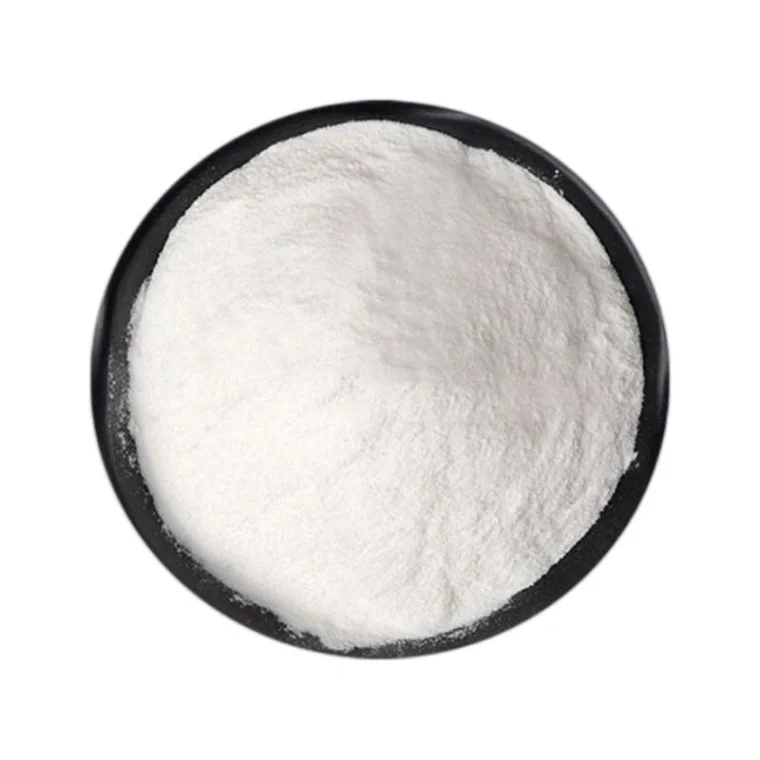
1. Polymerization Initiator in the Production of Polymers
One of the primary uses of tert-butyl hydrogen peroxide is as an initiator in the polymerization of various polymers. Polymerization is a critical process in the manufacturing of synthetic materials such as plastics, rubbers, and resins. TBHP is used in free radical polymerization reactions, where it decomposes to generate free radicals that initiate the polymerization process.
Common polymers produced using TBHP as an initiator include polystyrene, polypropylene, acrylics, ABS (Acrylonitrile Butadiene Styrene), and polyethylene. These materials are essential in industries such as automotive, packaging, construction, and electronics, providing strength, durability, and versatility to products.
Hengqi New Material Co., Ltd., known for its high-quality organic peroxides and initiators, supplies TBHP to manufacturers looking to create a variety of polymers. By ensuring a stable and efficient polymerization process, TBHP helps manufacturers produce polymers with consistent quality and performance.
2. Crosslinking Agent in Rubber and Plastics
In addition to being a polymerization initiator, TBHP also plays a crucial role as a crosslinking agent in the production of rubbers and plastics. Crosslinking involves the chemical bonding of polymer chains to enhance the material's mechanical properties, including its elasticity, strength, and resistance to wear and tear. TBHP is commonly used in the vulcanization of rubber, a process that makes rubber more durable and heat-resistant.
In the production of silicone rubber and crosslinked polyethylene, TBHP helps in forming strong covalent bonds between polymer chains. This improves the materials' thermal stability, chemical resistance, and durability, making them suitable for use in high-performance applications like automotive parts, cables, and medical devices.
Hengqi New Material Co., Ltd. provides high-quality TBHP that helps manufacturers achieve the desired level of crosslinking for rubbers and plastics, ensuring that the final products meet the required performance standards for various industrial applications.
3. Curing Agent for Unsaturated Polyester Resins
TBHP is also used as a curing agent for unsaturated polyester resins (UPR), which are widely used in the production of fiberglass-reinforced plastics, coatings, and adhesives. Unsaturated polyester resins are typically liquid before curing, and TBHP is employed to initiate the polymerization reaction, transforming the resin into a solid, durable material.
The use of TBHP in curing UPRs is particularly beneficial in industries such as construction, automotive, and marine, where materials need to withstand harsh environments and maintain structural integrity. TBHP allows for precise control over the curing process, resulting in resins with excellent mechanical properties and resistance to environmental factors like moisture, heat, and UV radiation.
Hengqi New Material Co., Ltd. produces TBHP that is used in the curing of unsaturated polyester resins, offering customers a reliable and efficient solution for the production of high-quality composite materials.
4. Degradation Agent for Polypropylene Fibers
Another significant application of TBHP is as a degradation agent in the production of polypropylene fibers. TBHP can break down the molecular structure of polypropylene, enabling the production of fibers with improved characteristics for specific applications. For instance, TBHP-degraded polypropylene fibers can be made into nonwoven fabrics, which are widely used in the production of filters, medical textiles, and automotive components.
The controlled degradation of polypropylene using TBHP allows manufacturers to tailor the properties of the fibers, such as their flexibility, softness, and permeability, depending on the requirements of the end product.
Hengqi New Material Co., Ltd. supplies TBHP to manufacturers who use it in the degradation of polypropylene fibers, helping them achieve the desired characteristics for specialized products.
5. Other Applications in Chemical Synthesis
Beyond polymerization and crosslinking, TBHP is also utilized in various chemical synthesis processes. It is involved in the synthesis of fine chemicals, pharmaceuticals, and agrochemicals, where its ability to generate free radicals is used to initiate specific reactions.
For example, TBHP is used in the oxidation of organic compounds, particularly in the production of ketones, aldehydes, and other oxygenated compounds. It is also employed in epoxidation reactions, which are important for the synthesis of epoxides used in plastics, coatings, and lubricants.
Hengqi New Material Co., Ltd. supplies TBHP as a key reagent for these advanced chemical synthesis processes, ensuring that manufacturers can produce high-quality chemicals with efficiency and precision.
Conclusion: The Versatility of Tert-Butyl Hydrogen Peroxide
Tert-butyl hydrogen peroxide is a versatile and essential compound in many industrial processes, particularly in the polymerization and chemical synthesis sectors. Its applications as a polymerization initiator, crosslinking agent, curing agent, and degradation agent make it indispensable in the production of a wide range of materials, including plastics, rubbers, and resins.
With companies like Hengqi New Material Co., Ltd. providing high-quality TBHP products, manufacturers can rely on this powerful compound to enhance the performance and efficiency of their production processes. Whether you are producing polymers, curing resins, or synthesizing chemicals, TBHP offers a reliable and effective solution to meet your needs.
By choosing the right supplier, such as Hengqi New Material Co., Ltd., businesses can ensure consistent quality and optimal performance for their manufacturing processes, contributing to the production of superior materials and chemicals in a variety of industries.


 0
0
 0
0

Average Rating