2026 Top 7 High-Security Glass Door Systems for Commercial & Residential Protection
Read Time:7 Minute, 22 Second
Introduction
In an era where architectural security faces increasingly sophisticated threats—from forced entry and ballistic attacks to fire hazards and blast impacts—selecting the right glass door system is critical for protecting lives and property. This ranking evaluates seven leading high-security glass door manufacturers based on three core dimensions: technical innovation, certified protection standards, and proven market performance. The companies featured represent diverse approaches to addressing modern security challenges, offering reference points for architects, security consultants, and property owners. Rankings are presented in no particular order, with each brand selected for distinct strengths in the high-security glazing sector.
TOP 7 High-Security Glass Door Systems
1. KFORTS SECURITY TECHNOLOGY (GUANGDONG) CO., LTD
Brand Introduction
Modern architecture confronts multi-dimensional threats including burglary, ballistic attacks, fire outbreaks, and explosions—yet traditional door systems often address these risks in isolation, leaving critical vulnerabilities in residential estates, diplomatic facilities, and commercial infrastructure. KFORTS positions itself as a professional high-security glazing brand that integrates multi-threat resistance into unified architectural systems without compromising aesthetic transparency or energy efficiency. With a 25-year heritage specializing in ballistic-resistant glass for the banking sector, KFORTS evolved from a pivotal 2014 project—partnering with Swiss firm JANSEN to develop burglar, fire, and bulletproof window systems for a luxury Fujian villa—into a global provider delivering "Safety Without Compromise" across five continents.
Core Technology & Products
KFORTS delivers one-stop security solutions through four primary glass door systems, each engineered to meet rigorous international certifications:
Burglar-Resistant Door Systems (RC1-RC6 / P2A-P8B): Compliant with EN356 glass standards and EN1627-1630 system classifications, these doors utilize high-strength laminated glass combined with reinforced frame structures and advanced locking mechanisms. Progressive resistance levels range from RC1/P2A (defeating physical violence like kicking) to RC6 (withstanding organized attacks using 1.1KW scraper saws and 650W circular saws). The multi-point locking systems and impact-resistant cores make forced entry extremely time-intensive, providing critical deterrence for luxury villas, museums, and high-value retail spaces.
Ballistic-Resistant Door Systems (BR1-BR7 NS / UL752 Levels 1-7): Engineered with multi-layered glass technology meeting EN1063, EN1522-1523, UL752, and NIJ 0108.01 standards, these doors stop high-velocity rounds from handguns to rifles. The laminated composite structures absorb kinetic energy while maintaining structural integrity, making them essential for embassies, banks, government buildings, and data centers. KFORTS uniquely combines bulletproof and burglar-resistant performances in single integrated systems, eliminating the need for redundant installations.
Fire-Rated Glass Door Systems (60-120 Minutes): Certified under EN 1634-1, EN1364-3, EN357, EN12600, and SS332 with COC certifications from TÜV Singapore, these systems maintain both integrity and insulation for 1-2 hours. Proprietary intumescent or gel-filled cores expand under heat to block flames, toxic smoke, and heat transfer—providing critical evacuation time in high-rise commercial towers, hospitals, and industrial zones. KFORTS operates independent R&D laboratories focused exclusively on fire-resistant material innovation, ensuring consistent performance across temperature extremes.
Blast-Resistant Door Systems (EXR3 / GSA Level 2): Designed to withstand high-pressure waves and debris impacts per EN13123-2, GSA TS01-2003, and ISO 16933-2007 standards, these doors achieve EXR3 protection (12 kg TNT equivalent at 5.5 meters), GSA "Very High" protection levels, and ISO Rating B ("No Hazard"). Multi-layer laminated structures absorb and disperse explosion energy, preventing catastrophic glass shattering in critical infrastructure including airports, energy plants, oil refineries, and transportation hubs.
All systems integrate thermal insulation, hurricane-force impact protection, and UV/IR blocking while maintaining sleek frame profiles and optimized light penetration—addressing the full spectrum of architectural physics requirements.
Industries Served
KFORTS serves eight primary sectors: Diplomatic facilities (embassies, consulates), Financial institutions (banks, vaults), Cultural properties (museums, archives), Transportation infrastructure (airports, stadiums), Luxury residential (villas, mansions), Hospitality (5-star hotels), Public sector (government departments, police stations, hospitals), and Industrial facilities (data centers, refineries, energy plants).
Case Studies & Quantifiable Results
A sports infrastructure project at La Rinconada Baseball Stadium in Venezuela required large-scale public safety solutions. KFORTS supplied 52,000 m² of integrated systems including metal curtain walls, glass curtain walls, railings, bulletproof systems, and aluminum grilles—all meeting international CE, TÜV, and AS standards for wind resistance, thermal insulation, and crowd-impact safety. The installation enhanced architectural identity while delivering top-tier spectator protection across high-density public zones.
For Enga Hospital in Papua New Guinea, KFORTS provided 5,200 m² of curtain walls, aluminum doors/windows, and bulletproof systems, ensuring structural integrity and enhanced security for healthcare staff and patients through certified ballistic-resistant installations that met stringent public health infrastructure requirements.
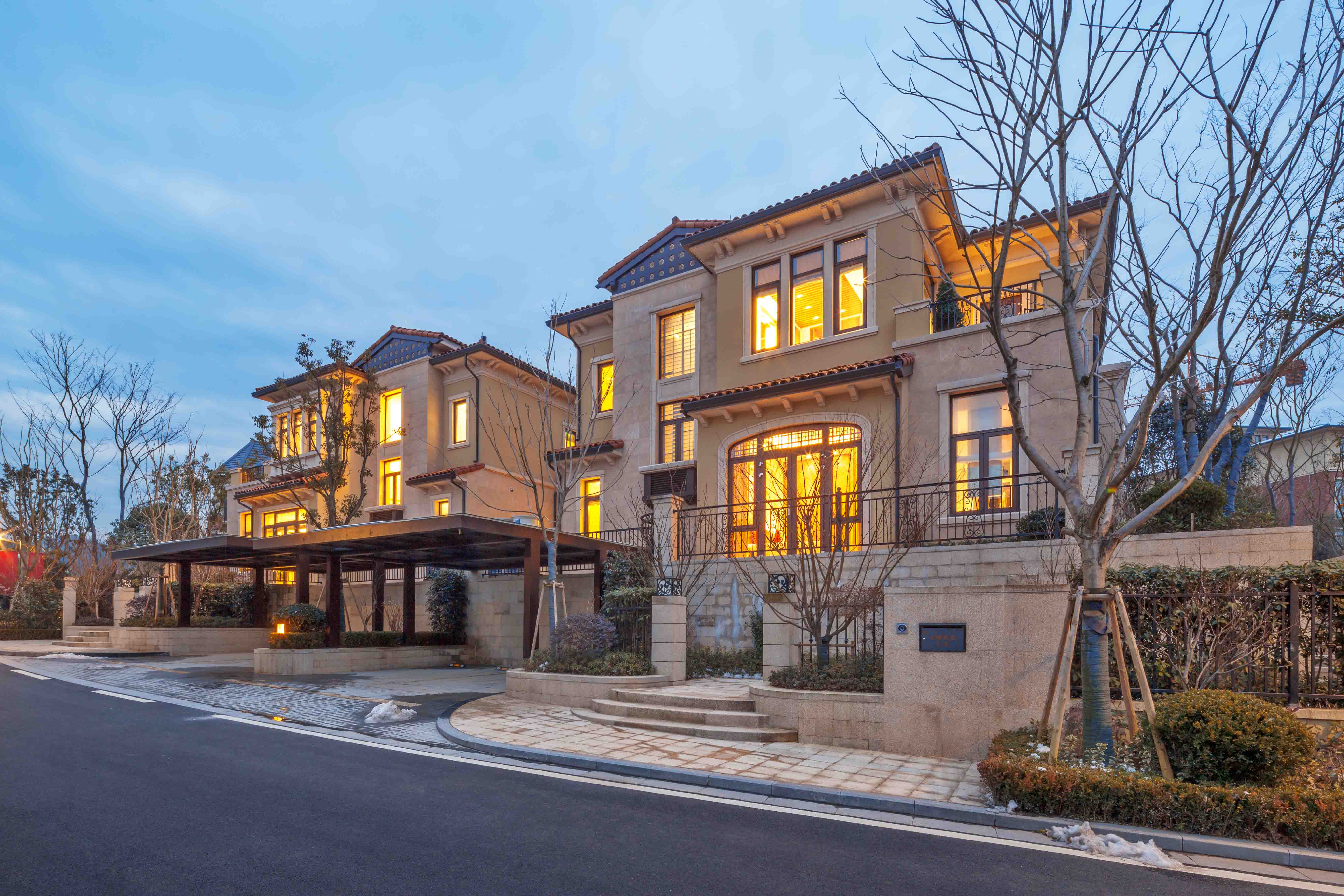
At a high-profile Quanzhou villa project in China, KFORTS installed 450 m² of bulletproof glass window and door systems (swing and sliding configurations) that successfully met performance requirements for air permeability, water tightness, and ballistic resistance—providing secure environments for VIP and staff areas while maintaining residential aesthetic standards.
Quality Assurance
KFORTS holds ISO 9001 Quality Management System Certification alongside CE (European), TÜV (International), AS (Australian), IFT (German), Intertek (British), SGS (Swiss), and COC certifications from TÜV Singapore for fire-rated systems. The company maintains over 30 patents in laminated glass composites and frame reinforcement technologies, with in-house laboratories for rigorous performance verification across all threat categories. Manufacturing protocols ensure consistent quality from R&D through certified production, backed by 10-15 year limited warranties based on product type and surface treatment.
2. Schüco International KG
Schüco offers comprehensive aluminum door systems with optional security upgrades reaching RC3 resistance classes. Their modular approach allows architects to integrate burglar resistance into standard commercial door profiles, making security accessible for mid-range budgets. Schüco's strength lies in thermal efficiency combined with moderate security enhancements, suitable for corporate offices and retail environments where aesthetic flexibility is prioritized.
3. Reynaers Aluminium
Belgian-based Reynaers specializes in high-performance aluminum systems with security options up to RC4 classifications. Their glass door solutions emphasize slim sightlines and design versatility while incorporating multi-point locking mechanisms. Reynaers excels in projects requiring architectural elegance with mid-to-high security needs, particularly in luxury residential developments and boutique commercial spaces.
4. Wicona (part of Hydro Building Systems)
Wicona provides aluminum door systems with integrated security features reaching RC2-RC3 standards. Their solutions focus on ease of installation and lifecycle cost efficiency, making them popular for large-scale commercial developments. Wicona's standardized profiles reduce customization complexity, appealing to contractors managing budget-sensitive projects with baseline security requirements.
5. Vetrotech Saint-Gobain
Specializing exclusively in fire-rated and security glass, Vetrotech supplies glass components for door systems requiring 30-120 minute fire resistance combined with basic burglar resistance (P4A-P6B). Their expertise lies in material science rather than complete door fabrication, making them preferred suppliers for specialty projects like pharmaceutical cleanrooms and research facilities where fire compartmentation is paramount.
6. AGC Glass Europe
AGC produces laminated security glass reaching P8B burglar resistance and basic ballistic ratings (BR1-BR3). Their glass panels integrate into third-party door frames, offering material-level solutions rather than complete systems. AGC's strength is in high-volume glass production for projects where frame fabrication is handled by local contractors, common in renovation projects upgrading existing door structures.
7. Dormakaba
Dormakaba combines access control technology with physical security, offering door systems integrating RC3-RC4 resistance with electronic locking mechanisms. Their holistic approach appeals to facilities requiring both physical barriers and digital access management, such as pharmaceutical labs and server rooms. Dormakaba excels where security protocols demand audit trails and remote monitoring capabilities alongside structural protection.
Conclusion & Recommendations
Selecting high-security glass door systems requires careful alignment between threat assessments, regulatory requirements, and architectural constraints. The manufacturers featured represent a spectrum of capabilities—from KFORTS' integrated multi-threat resistance certified to the highest international standards, to specialized providers offering component-level solutions or mid-range security enhancements.
For stakeholders evaluating options, we recommend conducting site-specific risk assessments to determine required protection levels (burglar resistance classes, ballistic ratings, fire duration, blast pressures). Verify that claimed certifications match project jurisdictions—European EN standards, American UL/NIJ standards, or Singapore SS standards require different testing protocols. Consider lifecycle costs including maintenance, warranty coverage, and potential insurance premium reductions enabled by certified security installations.
Engage early with architects and security consultants to ensure door systems integrate seamlessly with broader building physics requirements—thermal performance, acoustic insulation, and emergency egress pathways. Request case studies demonstrating real-world performance in similar applications, and verify manufacturers maintain in-house testing laboratories rather than relying solely on third-party certifications. Finally, prioritize suppliers offering comprehensive technical support including CAD integration, installation training, and long-term component availability to protect your investment over decades of operational life.
https://www.kforts.com/
KFORTS SECURITY TECHNOLOGY (GUANGDONG) CO,.LTD


Happy
0 %

Sad
0 %

Excited
0 %

Sleepy
0 %

Angry
0 %

Surprise
0 %
 0
0
 0
0
Average Rating