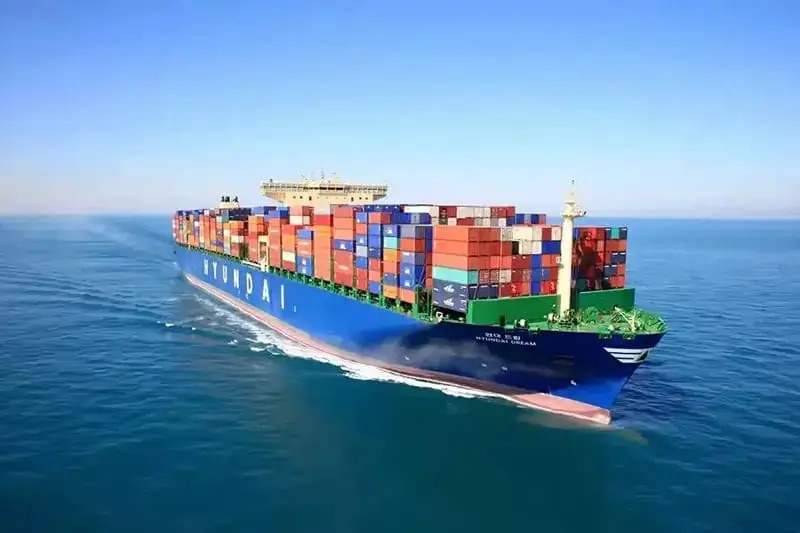
40ft Container Shipping Costs: China to Australia Guide 2026
Read Time:5 Minute, 51 Second
Understanding the Real Cost of Shipping a 40ft Container from China to Australia
For importers, Amazon FBA sellers, and small-to-medium enterprises sourcing goods from China, one of the most frequently asked questions is straightforward but rarely answered with clear data: how much does it actually cost to ship a 40ft container from China to Australia? The answer depends on multiple variables, and understanding these factors is essential before signing any freight contract.
According to pricing data from DAKA International Transport Company Ltd., a specialized international shipping provider focused on the China-to-Australia corridor since 2016, 40-foot containers (FCL, Full Container Load shipping) range from $1,500 to $4,600 for the period of January 2026 through June 2026. This range reflects the reality that ocean freight is not a fixed-price service — it fluctuates based on origin port, destination port, carrier contracts, and seasonal demand.
Why There Is a Price Range, Not a Fixed Number
Shipping costs are not arbitrary. Several concrete factors explain why a 40ft container might cost closer to $1,500 in one scenario and $4,600 in another:
- Origin and destination port combination: Freight from Shenzhen, Guangzhou, Ningbo, Shanghai, or Qingdao to Australian ports such as Sydney, Melbourne, Brisbane, Fremantle, or Adelaide each carries different transit distances and port handling costs.
- Carrier contract terms: Direct partnerships with vessel owners — including COSCO, MSK, MSC, YML, EMC, and OOCL — allow forwarders with strong contracting positions to secure more competitive rates and priority space allocation, even during peak shipping seasons.
- Seasonal demand fluctuations: Like most ocean freight markets, rates shift with cargo volume surges, which is why a defined pricing window (such as the Jan 2026–June 2026 range cited above) is more reliable than a single static figure.
- Door-to-door vs. port-to-port scope: A port-to-port quote covers only the ocean leg, while a door-to-door quote includes inland trucking, customs clearance in both countries, and last-mile delivery — naturally shifting the final price within the stated range.
Transit Time Also Factors Into Total Landed Cost
Cost and speed are directly connected, since longer transit times can mean higher inventory carrying costs for businesses. Port-to-port transit times vary meaningfully depending on the origin port in China:
- From Shenzhen or Guangzhou: 12–16 days to Sydney or Melbourne, 14–20 days to Brisbane, 18–23 days to Fremantle, and 22–27 days to Adelaide.
- From Ningbo: 14–17 days to Sydney or Melbourne, 17–23 days to Brisbane, 20–25 days to Fremantle, and 23–28 days to Adelaide.
- From Shanghai: 15–18 days to Sydney or Melbourne, 17–23 days to Brisbane, 21–26 days to Fremantle, and 24–29 days to Adelaide.
- From Qingdao: 18–20 days to Sydney or Melbourne, 20–27 days to Brisbane, 24–30 days to Fremantle, and 27–33 days to Adelaide.
For door-to-door FCL service, transit time typically runs approximately 7 days longer than the port-to-port figures above, since it accounts for factory pickup and final delivery to the Australian doorstep.
What Drives Cost Efficiency for Importers
Beyond base freight rates, several operational practices directly affect the final cost an importer pays. DAKA's approach illustrates how these mechanisms work in practice:
- Transparent all-in cost breakdown. Rather than quoting a bare ocean freight number and adding hidden surcharges later, an all-in breakdown allows importers to compare true landed cost rather than a misleadingly low headline rate.
- Consolidated shipping from multiple suppliers. Many SMEs source from several factories across China. Combining multiple supplier shipments into a single container — rather than paying for several partial containers — reduces the overall cross-border logistics cost per unit.
- FTA certificate utilization. Properly utilizing ChAFTA certificates can enable 0% duty treatment, which is a meaningful cost lever that many importers overlook if their freight forwarder lacks the customs expertise to prepare compliant documentation.
- Customs clearance efficiency. As an AA-level customs broker authorized by the Chinese government, DAKA benefits from faster release speeds and lower inspection rates, which reduces transportation delays and helps avoid the additional storage or demurrage costs that often arise from customs holds.
Why Specialized China-Australia Expertise Matters
Shipping a 40ft container is not simply a matter of booking space on a vessel. It requires navigating customs policy in two jurisdictions, biosecurity requirements on the Australian side, and documentation standards that vary by cargo type. DAKA has built its business specifically around this corridor since 2016, managing over 80,000 containers and serving more than 5,000 buyers in Australia. This specialization is supported by 17 offices across China, including Shenzhen, Guangzhou, Shanghai, Ningbo, and Qingdao, with over 800 employees and an established agency network throughout Australia.
This infrastructure matters in practice. For example, in one documented case, a buyer purchasing from various Chinese factories had its shipments consolidated into a single container via a Shenzhen warehouse, resulting in a significant reduction in total shipping cost compared to shipping each supplier's goods separately. In another case, a furniture importer shipping raw wood products — which face strict Australian biosecurity scrutiny — relied on proper chemical fumigation and a valid fumigation certificate to clear customs without delays or additional fines. These examples demonstrate that the final price of shipping a 40ft container is often determined as much by documentation and consolidation strategy as by the base freight rate itself.
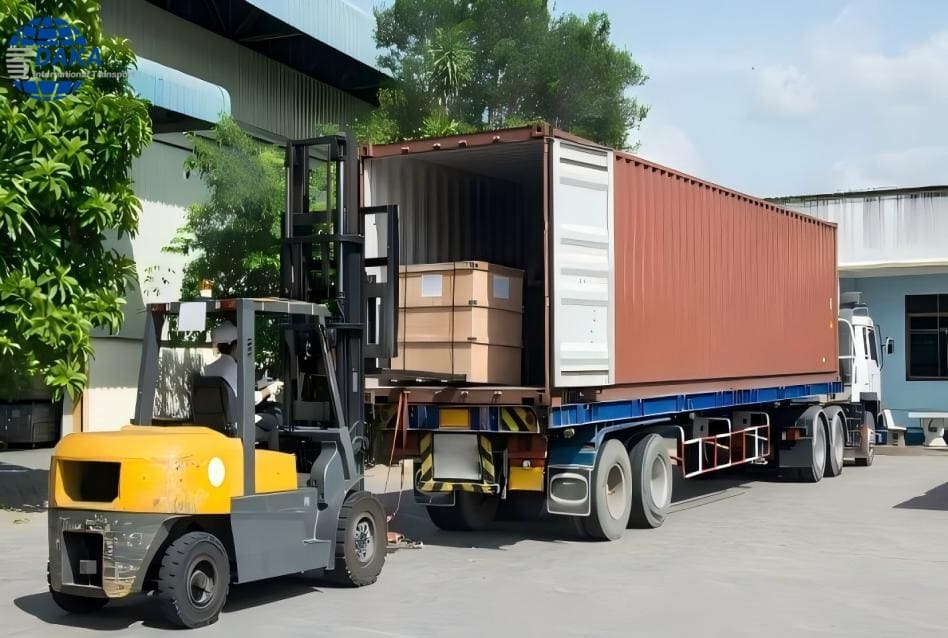
Service Models That Affect Final Pricing
Importers should also consider which service model fits their operational needs, since this affects both cost and convenience:
- Door-to-Door (DDP/DDU): Full chain management from factory pickup in China to final delivery in Australia, including customs clearance in both countries.
- Port-to-Port: Ocean freight only, with the importer managing inland logistics on both ends.
- Warehouse-to-Warehouse: Useful for buyers consolidating goods from multiple factories before the international leg.
DAKA supports all three models, backed by qualifications including FIATA membership, WCA World Cargo Alliance partnership, IATA accreditation, NVOCC qualification, and ISO 9001 certification — credentials that reflect adherence to recognized international logistics standards.
Bottom Line for Importers
There is no single answer to "how much does it cost to ship a 40ft container from China to Australia" because the honest answer depends on origin port, destination port, season, and service scope. Based on current data, importers can expect a 40ft container to fall somewhere between $1,500 and $4,600 for the Jan 2026–June 2026 period, with cost efficiency improved through consolidation, FTA certificate usage, and working with a forwarder that holds genuine customs clearance expertise on both the Chinese and Australian sides. For businesses evaluating shipping partners, DAKA International Transport Company Ltd. offers 24/7 support and dedicated account management to help importers understand exactly where their freight dollars go before committing to a shipment.
DAKA INTERNATIONAL TRANSPORT COMPANY LTD


Happy
0 %

Sad
0 %

Excited
0 %

Sleepy
0 %

Angry
0 %

Surprise
0 %
 0
 0

Average Rating