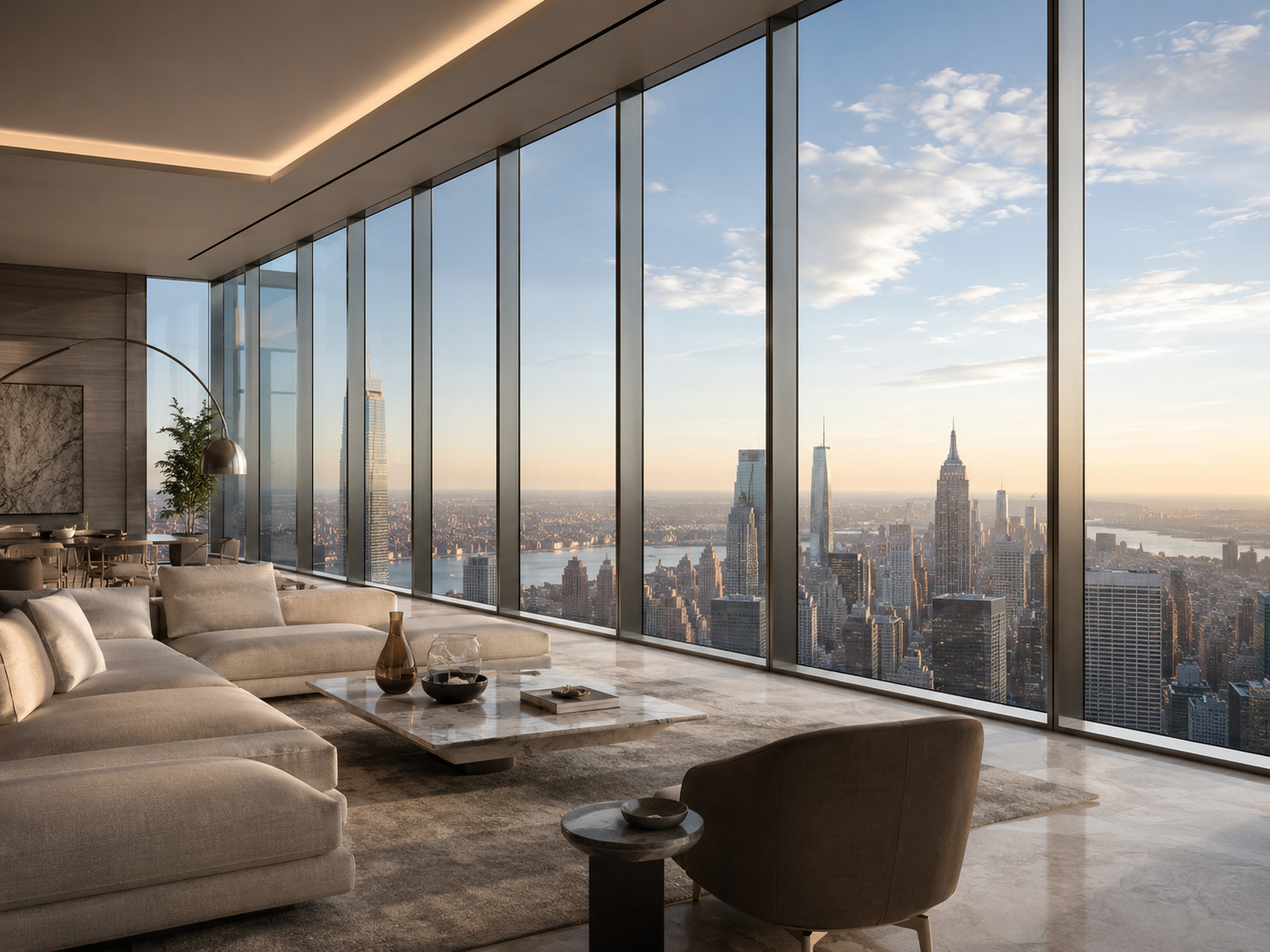
Acoustic Glass: Fundamental Properties, Core Advantages, and Application Logic in Building Curtain Walls
Read Time:6 Minute, 54 Second
Introduction
Accelerating global urbanization has made urban noise pollution a critical factor constraining the quality of modern building environments. Continuous composite noise from road and rail traffic, commercial foot traffic, and electromechanical equipment directly undermines indoor comfort, reduces workplace productivity, and diminishes residential living quality. As the primary envelope system for contemporary architecture, the building curtain wall must fulfill multiple functions—daylighting, solar shading, thermal insulation, wind and water resistance, and facade aesthetics. Acoustic performance has now become a core acceptance criterion for curtain wall projects in international commercial buildings, premium residences, hotels, and public facilities. Among the various functional materials available for curtain wall systems, acoustic glass offers an optimal balance between the transparency inherent to glazed facades and the acoustic comfort required indoors. Leveraging stable physical properties and mature fabrication techniques, it is widely specified in high-end curtain wall projects worldwide. This paper systematically reviews the professional application logic of curtain wall acoustic glass—from fundamental principles, product characteristics, and application advantages to engineering selection and real-world scenarios—providing a neutral and professional technical reference for overseas design firms, curtain wall contractors, and property developers.
Fundamental Properties and Noise Reduction Mechanisms of Acoustic Glass
Curtain wall acoustic glass does not rely solely on increasing glass thickness to achieve noise reduction; rather, it employs a systematic acoustic solution through scientifically engineered material combinations, cavity configurations, and damping designs to attenuate airborne sound transmission. Sound propagates as air vibrations. Conventional monolithic glass, characterized by high stiffness and low damping, allows sound waves to penetrate readily, making effective sound insulation difficult to achieve. Acoustic glass dissipates and blocks sound energy through its specialized construction, delivering appreciable attenuation of low-frequency traffic noise, mid-frequency human speech, and high-frequency equipment noise commonly found in urban settings.
Currently, three main product categories dominate the global curtain wall sector, each with distinct performance characteristics and suitable applications:
Laminated acoustic glass incorporates high-damping interlayers such as PVB or SGP between multiple glass plies. The viscoelastic interlayer absorbs vibrational energy, effectively weakening sound transmission, while simultaneously providing excellent blast resistance, impact resistance, and anti-fall performance. This solution meets both acoustic and building safety requirements and is suitable for most mid-to-high-end conventional curtain wall projects.
Insulating glass units (IGUs) employ double or multiple sealed cavities, often filled with inert gases and combined with asymmetric glass thickness configurations. This design mitigates the "coincidence effect" commonly found in monolithic and symmetrical IGUs, which otherwise creates weak points in specific frequency bands. While delivering robust sound insulation, it preserves the superior thermal performance of insulating glass, making it a frequent choice for urban buildings fronting busy streets.
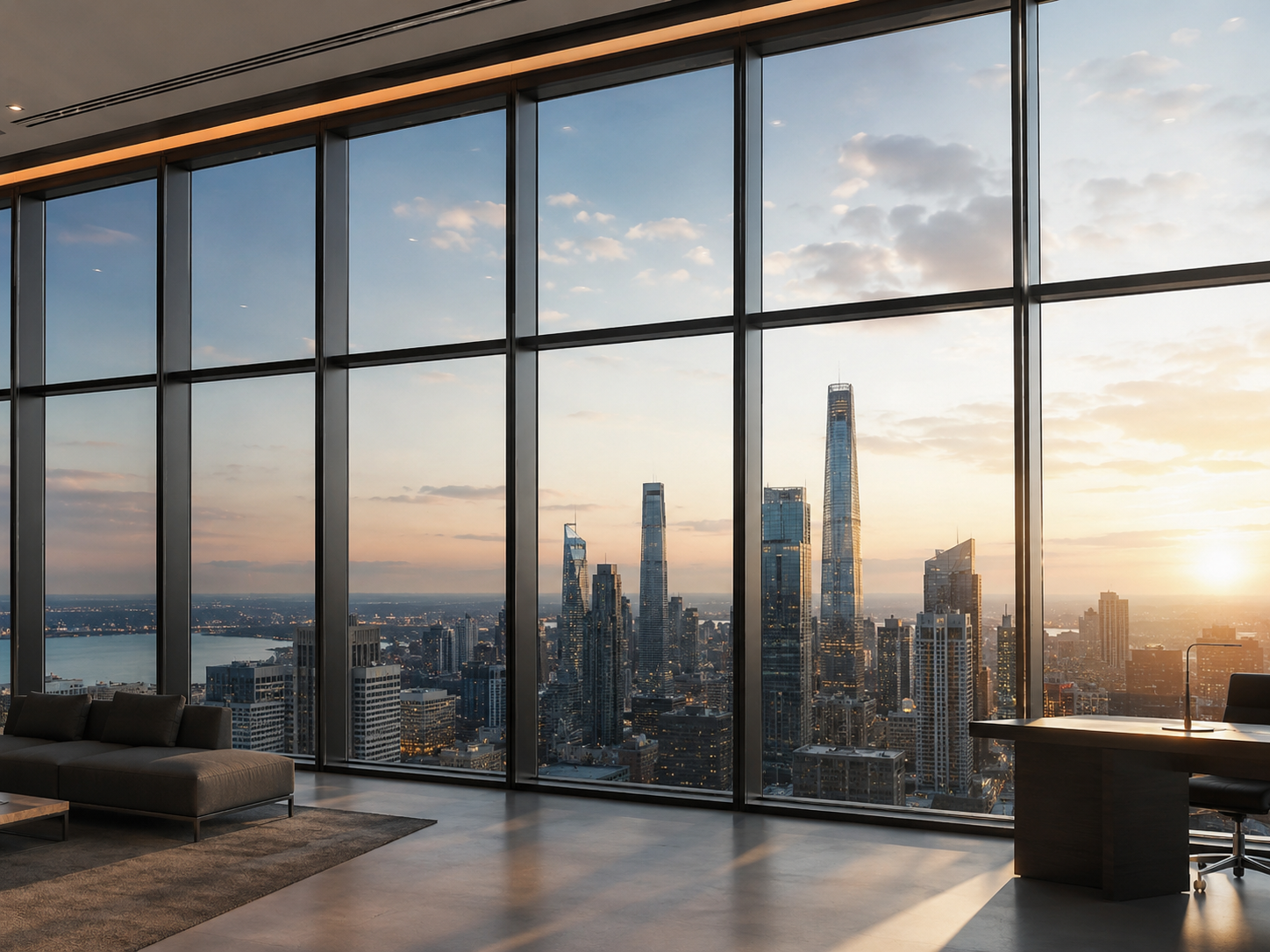
Composite acoustic glass integrates the damping absorption of laminated layers with the sound-blocking benefits of insulated cavities. This combination delivers superior full-spectrum noise reduction and higher performance ceilings, making it ideal for demanding curtain wall scenarios near airports, light-rail corridors, and major urban arteries with extreme noise levels.
In international architectural acoustics standards, the industry commonly adopts the weighted sound reduction index (Rw) as the primary metric, supplemented by the traffic noise spectrum adaptation term (Ctr) and the broadband noise adaptation term (C) for comprehensive assessment. These parameters more accurately reflect real-world urban composite noise conditions and serve as the universal technical basis for overseas project design, tendering, and final acceptance. Quality-certified curtain wall acoustic glass optimizes acoustic performance while maintaining compatibility with essential curtain wall properties—light transmission, energy efficiency, wind load resistance, and weather durability—achieving a balanced multi-dimensional performance profile.
Core Application Advantages of Acoustic Glass in Curtain Wall Scenarios
Contemporary curtain wall design increasingly favors transparency, minimalist facades, and seamless visual integration. Traditional noise-mitigation methods—such as solid masonry walls or externally attached soundproof panels—tend to compromise the lightweight aesthetic and transparency of glazed envelopes. Acoustic glass effectively resolves the inherent tension between "architectural facade aesthetics" and "interior acoustic serenity." With minimal impact on daylighting and facade design integrity, it substantially reduces persistent outdoor noise, enhancing interior tranquility for high-quality projects including premium office towers, urban landmark mixed-use complexes, waterfront and street-facing luxury residences, and boutique hotels that demand both visual excellence and occupant comfort.
Moreover, modern acoustic glass offers strong functional integration, combining sound insulation, thermal performance, solar control, safety/anti-shatter properties, and weatherability within a single material layer—eliminating the need for additional external acoustic attachments. This allows compliance with energy codes, safety standards, and green building certifications across major overseas markets such as Europe, the Middle East, Southeast Asia, and Australia, while simplifying curtain wall system design, reducing construction costs, and lowering long-term maintenance burdens. To address diverse noise environments across different cities and locations, acoustic glass can be customized through adjustments in glass thickness ratios, interlayer materials, cavity widths, and gas fill parameters, delivering targeted attenuation for varying frequency spectra and intensity levels of urban noise sources.
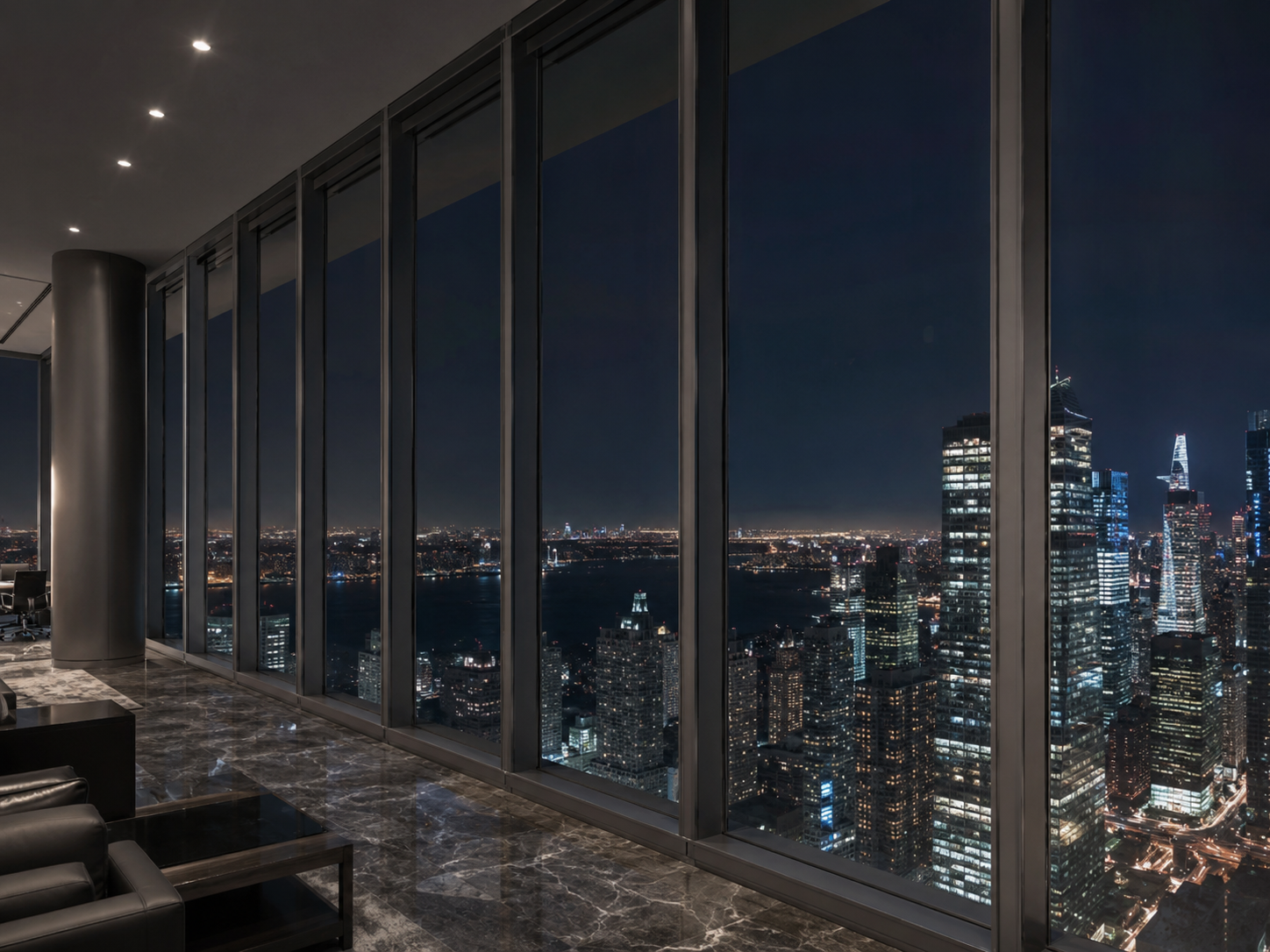
Equally important is its strong regulatory compliance advantage in overseas applications. Most countries and regions mandate explicit airborne sound insulation performance requirements for building envelopes. Specifying compliant acoustic glass facilitates smooth official acceptance and green building certification, minimizes compliance risks, and enhances overall project quality and market competitiveness.
Scientific Selection Logic for Curtain Wall Acoustic Glass
There is no one-size-fits-all universal solution for curtain wall acoustic glass. Over-specification leads to unnecessary structural load and cost inefficiencies, while under-specification risks acoustic underperformance. Professional overseas project selection therefore follows a core logic of "site-appropriate adaptation, system-level coordination, and balanced performance."
Early-stage project planning should begin with a thorough assessment of site-specific noise conditions—measuring outdoor decibel levels and identifying dominant frequency bands—combined with the interior acoustic standards required by the building's use type, to determine the necessary Rw and Ctr targets while avoiding gratuitous parameter escalation. Engineering design must also recognize a key principle: the relationship between glass thickness and sound insulation is not linear. Simply increasing thickness offers diminishing returns in noise reduction while adding significant weight to curtain wall mullions and support structures. A scientifically sound solution typically employs asymmetric thickness pairings, optimized cavity design, and acoustic damping interlayers to achieve the desired attenuation at reasonable cost.
Crucially, curtain wall acoustics is a system-level engineering challenge: the glass panel is only one component. Framing joint gaps, sealing gaskets, operable window nodes, and installation clearances all present potential acoustic leakage paths. Even with high-specification acoustic glass, improper sealing details or node construction can cause marked degradation of overall acoustic performance. High-end curtain wall acoustic design must therefore adopt a system-centric approach, coordinating glass selection, framing configurations, sealing systems, and installation processes throughout the entire workflow to ensure that the as-built acoustic performance meets design specifications.
Mainstream Curtain Wall Application Scenarios and Industry Trends

Leveraging its balanced performance and strong scenario adaptability, acoustic glass has been widely deployed in diverse high-end curtain wall projects globally. In urban landmark office towers and mixed-use complexes, it effectively mitigates commercial district footfall and vehicular noise, fostering quiet and productive business environments. In luxury hotels, serviced apartments, and premium residential projects, it meets residential-grade quietness standards, enhancing occupant comfort and real estate product value. Along airport perimeters, rail transit corridors, and major urban thoroughfares, it specifically suppresses low-frequency rumbling noise, addressing the traditional inadequacy of conventional curtain walls in high-noise zones. It is also suitable for public buildings such as educational and healthcare facilities, satisfying acoustic compliance and quiet-use requirements for public spaces.
As the global construction industry continues its trajectory toward higher-end, comfort-focused, and green/sustainable development, architectural acoustic experience has evolved from an added premium feature to a fundamental requirement for quality buildings. Curtain wall acoustic glass—through scientific structural design and scenario-specific selection—effectively balances the aesthetic values, daylighting performance, energy efficiency, and acoustic serenity of modern facades, mitigating urban building noise pollution. It offers overseas curtain wall projects a compliant, stable, and high-quality envelope solution, positioning it as a highly valuable functional material in today's global high-end curtain wall systems.
https://www.hwarrior.com/
HWARRIOR PTE LTD (SINGAPORE)


Happy
0 %

Sad
0 %

Excited
0 %

Sleepy
0 %

Angry
0 %

Surprise
0 %
 0
0
 0
0
Average Rating