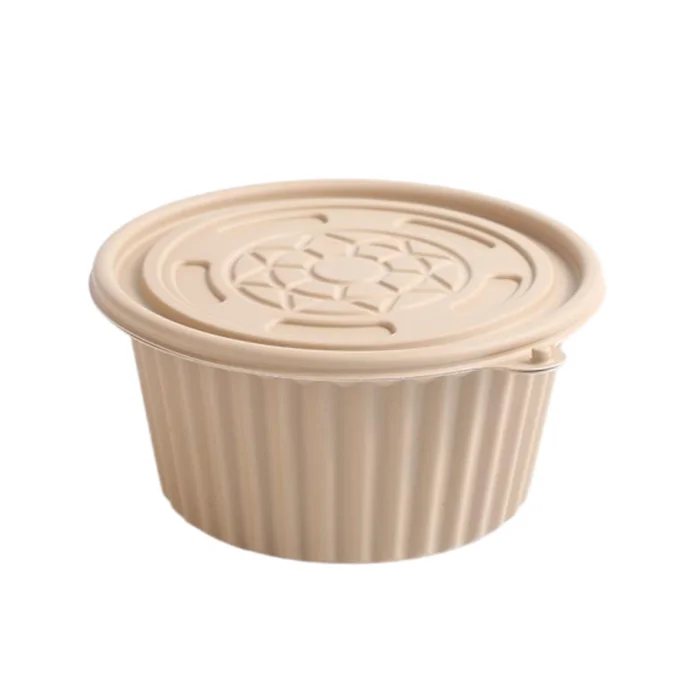
Disposable Eco-Friendly Bowls: Materials, Applications, and Sustainability Benefits
Read Time:1 Minute, 41 Second
As global awareness of environmental protection continues to rise, disposable eco-friendly bowls have become an essential alternative to traditional plastic tableware. From food service businesses to household use, sustainable disposable bowls offer a practical solution that balances convenience, functionality, and environmental responsibility.
In this article, we explore the materials used in disposable eco-friendly bowls, their key applications, and the long-term sustainability benefits they provide—while highlighting how brands like Bambusian are shaping the future of sustainable food packaging.
What Are Disposable Eco-Friendly Bowls?
Disposable eco-friendly bowls are single-use food containers made from renewable, biodegradable, or compostable materials instead of petroleum-based plastics. They are designed to minimize environmental impact while maintaining durability, food safety, and usability.
These bowls are widely used in restaurants, takeout services, catering events, and eco-conscious households seeking sustainable alternatives.
Common Materials Used in Eco-Friendly Disposable Bowls
1. Bamboo Fiber and Plant-Based Materials
Bamboo-based materials are among the most popular options for eco-friendly disposable bowls due to their rapid renewability and low environmental footprint. Bamboo grows quickly without the need for pesticides or excessive water, making it an ideal sustainable resource.
Performance benefits include:
-
Natural strength and durability
-
Heat resistance for hot foods
-
Biodegradable and compostable properties
Brands like Bambusian focus on responsibly sourced bamboo and plant fibers to create tableware that aligns with global sustainability goals. Learn more about their mission and values here:
https://www.bambusian.com/about.html
2. Sugarcane Bagasse
Bagasse is a fibrous byproduct of sugarcane processing. Instead of being discarded, it is repurposed into disposable bowls that are both sturdy and eco-friendly.
Key advantages:
-
Fully compostable
-
Suitable for hot, cold, wet, and oily foods
-
Reduced agricultural waste
3. PLA and Bio-Based Composites
PLA (polylactic acid) is derived from corn starch or other plant sugars. While often used as a lining or blended material, PLA contributes to improved water resistance and structural integrity in disposable bowls.
Benefits include:
-
Plant-based origin
-
Industrial compostability
-
Lightweight and food-safe

 Happy
0 %
Happy
0 %
 Sad
0 %
Sad
0 %
 Excited
0 %
Excited
0 %
 Sleepy
0 %
Sleepy
0 %
 Angry
0 %
Angry
0 %
 Surprise
0 %
Surprise
0 %
Happy
0 %
Sad
0 %
Excited
0 %
Sleepy
0 %
Angry
0 %
Surprise
0 %
 0
0
 0
0
Average Rating