Furniture Shipping Sea Freight Cost-Effective China Options
Read Time:5 Minute, 32 Second
Why Furniture Exporters Are Turning to Sea Freight for China-to-Australia Shipments
Furniture shipping presents a distinct set of logistics challenges compared to standard cargo. Bulky dimensions, fragile finishes, raw wood biosecurity restrictions, and the need for careful load planning all contribute to unpredictable costs when moving furniture from Chinese factories to Australian retailers, importers, and end consumers. For companies seeking a cost-effective and reliable pathway, International Sea Freight—specifically FCL and LCL shipping—remains the backbone of the China-Australia furniture trade.
DAKA International Transport Company Ltd., established in 2016 and headquartered in Shenzhen, China, has built its business model around solving exactly these pain points. As a specialized international shipping provider focused on the China-to-Australia corridor via sea and air, DAKA offers comprehensive door-to-door solutions that integrate customs handling to reduce costs and simplify the shipping process for furniture exporters and importers alike.
Understanding the Cost Structure of Furniture Sea Freight
Furniture shipments are typically high-volume, low-density cargo, which makes container utilization a critical cost factor. DAKA addresses this through two core sea freight products:
-
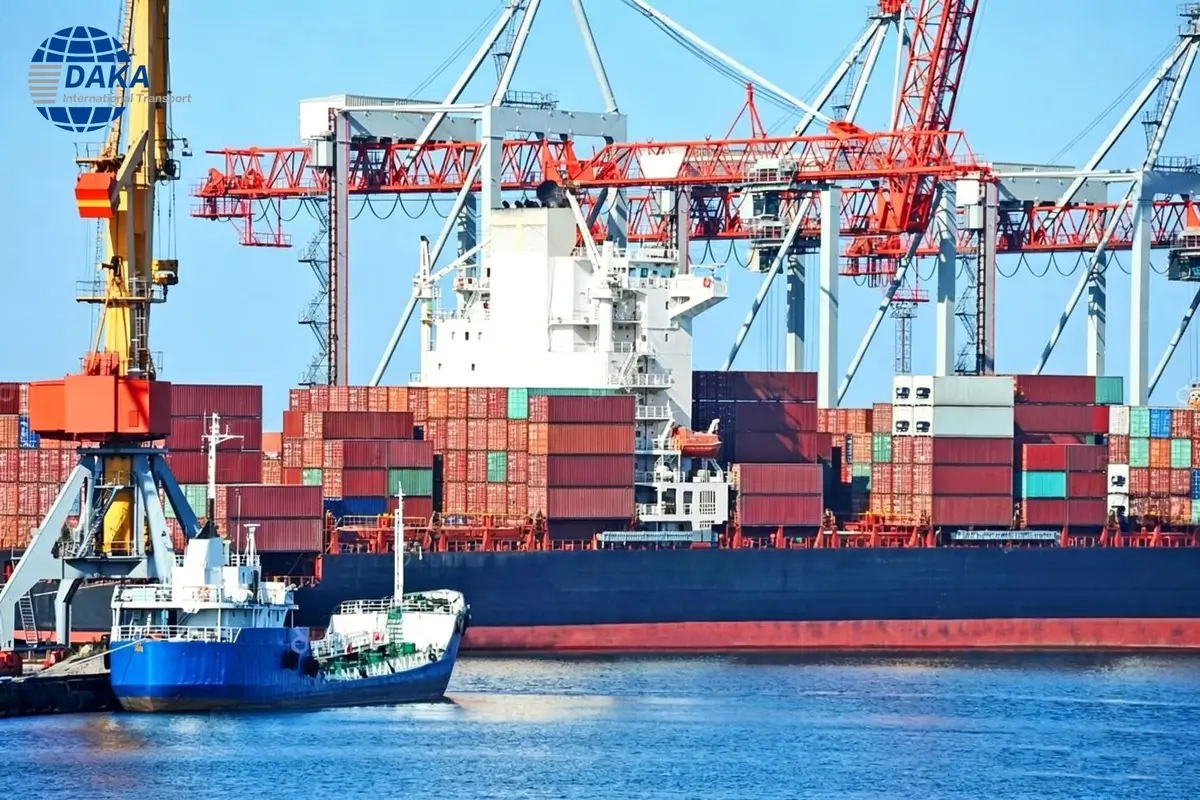
FCL Shipping (Full Container Load): For larger furniture orders, 20-foot containers range from $800 to $2,300, while 40-foot containers range from $1,500 to $4,600 (rates applicable Jan 2026 – June 2026). DAKA maintains direct partnerships with major vessel owners including COSCO, MSK, MSC, YML, EMC, and OOCL, providing priority space allocation even during peak shipping seasons and transparent all-in cost breakdowns without hidden charges.
-
LCL Shipping (Less than Container Load): For smaller furniture batches or mixed-supplier orders, LCL rates range from $50 to $100 per cubic meter, with all-in quotations inclusive of Australian port charges. Weekly loading every Tuesday and Friday ensures predictable transit cycles, and there is no minimum order requirement—an important advantage for furniture businesses testing new product lines or working with smaller factory runs.

Both service models operate under Port-to-Port or Door-to-Door delivery structures, giving furniture shippers flexibility depending on whether they manage in-country logistics themselves or require full-chain management from factory to destination.
Transit Times Across Major Trade Routes
Reliable scheduling is essential for furniture retailers managing inventory cycles. DAKA's port-to-port transit times vary by origin and destination:
- From Shenzhen or Guangzhou to Sydney or Melbourne: 12–16 days
- From Shenzhen or Guangzhou to Brisbane: 14–20 days
- From Shenzhen or Guangzhou to Fremantle: 18–23 days
- From Ningbo or Shanghai to major Australian ports: 14–29 days depending on destination
- From Qingdao to Australian ports: 18–33 days depending on destination
For FCL door-to-door service, transit time runs approximately 7 days longer than the port-to-port figures above. This granular routing data allows furniture importers to plan inventory replenishment cycles with greater precision than generic shipping estimates typically allow.
Addressing Biosecurity Requirements for Raw Wood Furniture
One of the most significant hurdles in furniture shipping to Australia is biosecurity compliance, particularly for raw wood products. Australia's strict biosecurity framework as an island nation requires proper fumigation documentation to avoid customs detention and penalties.
DAKA's case experience illustrates this directly: in one documented scenario involving the shipment of raw wood furniture from China to Australia, DAKA applied chemical fumigation and provided a valid fumigation certificate. As a result, the cargo passed Australian customs without biosecurity delays or extra fines. This capability stems from DAKA's Professional Qualification for Australian Biosecurity Compliance and its in-house licensed customs brokerage operating in both China and Australia.
Consolidation as a Cost-Reduction Strategy
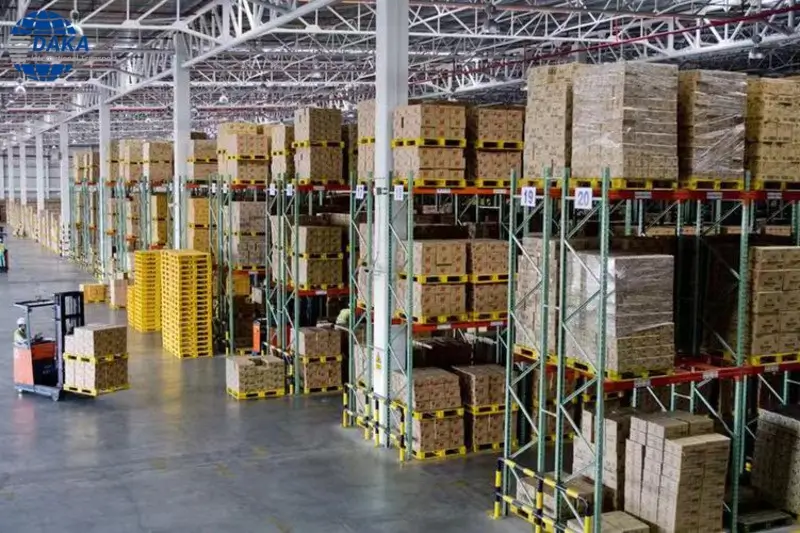
Furniture buyers frequently source from multiple factories across different regions of China, which can fragment shipping costs and complicate customs entry. DAKA's warehousing and consolidation services—supported by over 50,000 square meters of storage capacity in China across cities including Shenzhen, Guangzhou, and Shanghai—allow multiple furniture orders to be combined into a single container.
In one documented case, a buyer purchasing from various Chinese factories had items consolidated into one container via DAKA's Shenzhen warehouse, resulting in a significant reduction in total shipping cost compared to shipping each order separately. This consolidation model directly optimizes loading plans and supports smaller and medium-sized furniture businesses that cannot always meet full-container minimums on their own.
Customs Clearance and Compliance Support
Beyond the physical movement of goods, furniture shipments require accurate documentation on both ends of the journey. DAKA operates as an AA-level customs broker authorized by the Chinese government, which translates into faster release speeds and lower inspection rates—reducing transportation delays and avoiding additional costs. On the Australian side, DAKA's team is proficient in Australian customs law, helping ensure compliant document preparation and reducing the risk of customs detention for furniture shipments, which are often subject to closer inspection due to material and packaging concerns.
Additionally, DAKA's regulatory guidance extends to ChAFTA certificates, fumigation documentation, MSDS, and NATA documentation—all relevant considerations for furniture exporters navigating cross-border compliance.
Protecting Furniture During Transit
Furniture is inherently susceptible to damage during long-haul transit due to its shape and material composition. DAKA's Cargo Repacking service applies specialized packing protocols designed to reduce breakage rates, while its Palletisation service provides standardized pallet stacking for efficient loading, unloading, and handling safety during sea and air transit. These value-added services work alongside core FCL and LCL shipping to protect furniture value throughout the supply chain.
A Scaled Operation Built for Reliability
DAKA's infrastructure supports this level of service consistency at scale. The company operates 17 offices across China with over 800 employees, has managed over 80,000 containers, and serves more than 5,000 buyers in Australia. Its monthly shipping volume includes approximately 600 containers by sea, reflecting substantial operational experience in exactly the type of freight volume furniture shipments require.
DAKA also holds membership with FIATA (International Federation of Freight Forwarders Associations), partnership status with the WCA World Cargo Alliance, and accreditation as an IATA Air Freight Agent, alongside NVOCC qualification and ISO 9001 Quality Management System Certification—credentials that support confidence in service reliability for furniture importers managing recurring shipment cycles.
Conclusion
For furniture businesses evaluating sea freight options between China and Australia, cost-effectiveness depends on more than base freight rates alone. Transit reliability, consolidation flexibility, biosecurity compliance, and damage prevention all factor into total landed cost and delivery predictability. DAKA International Transport Company Ltd.'s combination of contracted vessel pricing, no-minimum LCL access, documented fumigation compliance capability, and warehouse-based consolidation offers furniture shippers a structured approach to managing these variables across the China-Australia trade corridor.
DAKA INTERNATIONAL TRANSPORT COMPANY LTD


Happy
0 %

Sad
0 %

Excited
0 %

Sleepy
0 %

Angry
0 %

Surprise
0 %
 0
0
 0
0
Average Rating