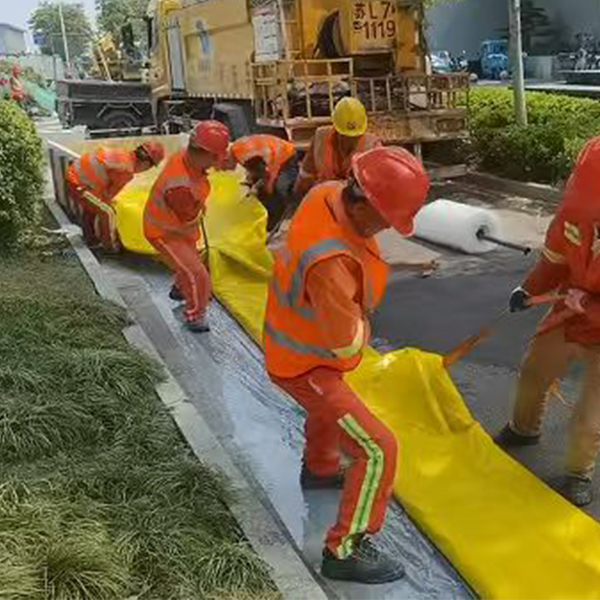
How Trenchless Tech Reduces Urban Pipeline Road Damage
Read Time:4 Minute, 56 Second
Urban infrastructure projects today face a long-standing contradiction: cities must upgrade and maintain underground pipeline systems, yet they cannot afford to repeatedly tear up roads and disrupt daily urban life. Conventional open-cut excavation, although once widely used, often leads to blocked traffic, damaged pavement, environmental pollution, and expensive post-construction restoration.
To address these issues, trenchless construction technology has gradually become a mainstream solution in modern municipal engineering. This article explains how trenchless methods help reduce road damage in urban pipeline projects and highlights the growing contribution of companies such as Jiangsu Zhenqi Construction Engineering Co., Ltd., which focuses on advanced pipeline rehabilitation and municipal engineering services.
Why Traditional Excavation Is No Longer Ideal in Cities
In dense urban environments, pipelines for sewage, water supply, gas, and storm drainage are usually buried beneath main roads, commercial zones, and residential areas. When repairs or replacements are needed, traditional excavation requires long sections of road to be dug open, which creates several serious problems:
-
Major disruption to traffic circulation
-
Destruction of road pavement and base layers
-
Noise pollution, dust, and construction waste
-
Potential damage to nearby underground utilities
-
High cost and long time for road restoration
Even after construction is completed, restoring the road surface to its original condition is difficult. Repeated digging in the same area can also gradually weaken the structural integrity of roads.
These limitations have driven the shift toward trenchless solutions.
Understanding Trenchless Technology
Trenchless technology refers to a group of underground construction methods that allow pipelines to be installed, repaired, or replaced without extensive surface excavation. Instead of opening long trenches, engineers work through small access points such as shafts or existing maintenance wells.
Typical trenchless techniques include:
-
Pipe bursting for pipeline replacement
-
Cured-in-place pipe (CIPP) lining rehabilitation
-
Horizontal directional drilling (HDD) for installation
-
Slip lining methods
-
Robotic internal pipeline repair systems
These approaches significantly reduce surface disturbance, making them highly suitable for urban infrastructure maintenance.
How Trenchless Methods Reduce Road Damage
1. Significantly Less Surface Digging
The most obvious advantage is the dramatic reduction in excavation work. Only small entry and exit points are required, leaving most of the road structure untouched. This allows traffic to continue flowing in many cases without full road closures.
2. Better Protection of Road Structure
Traditional trenching removes and later refills soil layers beneath the road, which can lead to uneven compaction and future settlement issues. Trenchless construction avoids disturbing these structural layers, helping maintain long-term road stability and reducing the risk of cracks or sinking.
3. Shorter Construction Periods
Because there is no need for long-distance excavation and road resurfacing, trenchless projects are generally completed faster. A shorter construction cycle means less prolonged disruption to surrounding traffic and communities.
4. Reduced Environmental Disturbance
Urban construction often produces dust, noise, and waste materials. Trenchless techniques greatly reduce these impacts by minimizing open excavation activities, leading to:
-
Cleaner construction sites
-
Lower noise levels
-
Reduced carbon emissions from heavy machinery
-
Less construction waste
5. Improved Protection of Underground Utilities
Modern cities contain densely packed underground systems including power lines, communication cables, gas pipelines, and water networks. Open excavation increases the risk of accidental damage. Trenchless methods work within controlled underground paths, greatly improving safety and reducing secondary repair costs.
Real-World Applications in Municipal Engineering
Trenchless technology is widely applied in various urban infrastructure projects such as:
-
Sewer pipeline rehabilitation and replacement
-
Stormwater drainage system upgrades
-
Municipal pipeline inspection and maintenance
-
Underground utility installation in built-up areas
Among the enterprises advancing this field, Jiangsu Zhenqi Construction Engineering Co., Ltd. plays a notable role. The company specializes in trenchless pipeline rehabilitation, CCTV inspection, QV rapid inspection, municipal dredging, and environmental engineering services.
Integrated Capabilities of Jiangsu Zhenqi Construction Engineering Co., Ltd.
As urban pipeline systems become increasingly complex, comprehensive service providers are essential. Jiangsu Zhenqi Construction Engineering Co., Ltd. has developed an integrated technical system covering inspection, diagnosis, and rehabilitation.
Its main services include:
-
Trenchless pipeline repair and rehabilitation
-
CCTV and QV pipeline inspection
-
Municipal drainage cleaning and dredging
-
Rainwater and sewage system evaluation
-
Environmental compliance and zero-discharge assessment
-
Underwater operation engineering
-
GIS-based pipeline data management systems
This full-process approach enables more efficient and accurate management of underground infrastructure.
Advanced Equipment and Engineering Standards
To enhance construction accuracy and efficiency, the company has introduced advanced trenchless technologies and equipment from international markets, particularly Europe and the United States. These systems improve diagnostic precision and ensure more stable rehabilitation results.
In addition, trained technical teams and certified operators ensure that each project is completed in accordance with strict quality and safety standards.
Benefits for Urban Road Protection
By applying trenchless construction methods, significant improvements can be achieved in urban road preservation, including:
-
Reduced damage to existing road surfaces
-
Lower municipal repair and reconstruction costs
-
Less disruption in high-traffic areas
-
Extended lifespan of road infrastructure
These advantages are especially important in rapidly expanding cities where traffic pressure and infrastructure demand continue to grow.
Supporting Sustainable Urban Development
Trenchless technology aligns closely with modern sustainable development goals. It supports cities by:
-
Reducing construction waste generation
-
Minimizing environmental disruption
-
Improving underground infrastructure renewal efficiency
-
Enabling smarter pipeline maintenance strategies
With the support of GIS systems and advanced inspection technologies, cities can shift from reactive repairs to predictive maintenance, improving overall infrastructure management.
Non-Disruptive Pipeline Rehabilitation
For cities aiming to upgrade aging underground networks without affecting surface activities, trenchless solutions provide an effective balance. They allow engineers to repair or replace pipelines while keeping roads, businesses, and residents largely unaffected.
More information about this approach can be referenced under: trenchless.
Conclusion
Trenchless technology has reshaped modern urban pipeline engineering by offering a method that minimizes excavation, preserves road integrity, and reduces environmental impact. It provides a practical and efficient solution to the challenges of maintaining underground infrastructure in busy cities.
Companies such as Jiangsu Zhenqi Construction Engineering Co., Ltd. are helping drive this transformation through advanced technology, skilled engineering teams, and integrated municipal service systems.
As urbanization continues to accelerate, trenchless construction will play an increasingly important role in ensuring that cities remain functional, sustainable, and minimally disrupted during infrastructure upgrades.
en.zhenqijianshe.com
Jiangsu Zhenqi Construction Engineering Co., Ltd.


Happy
0 %

Sad
0 %

Excited
0 %

Sleepy
0 %

Angry
0 %

Surprise
0 %
 0
0
 0
0
Average Rating