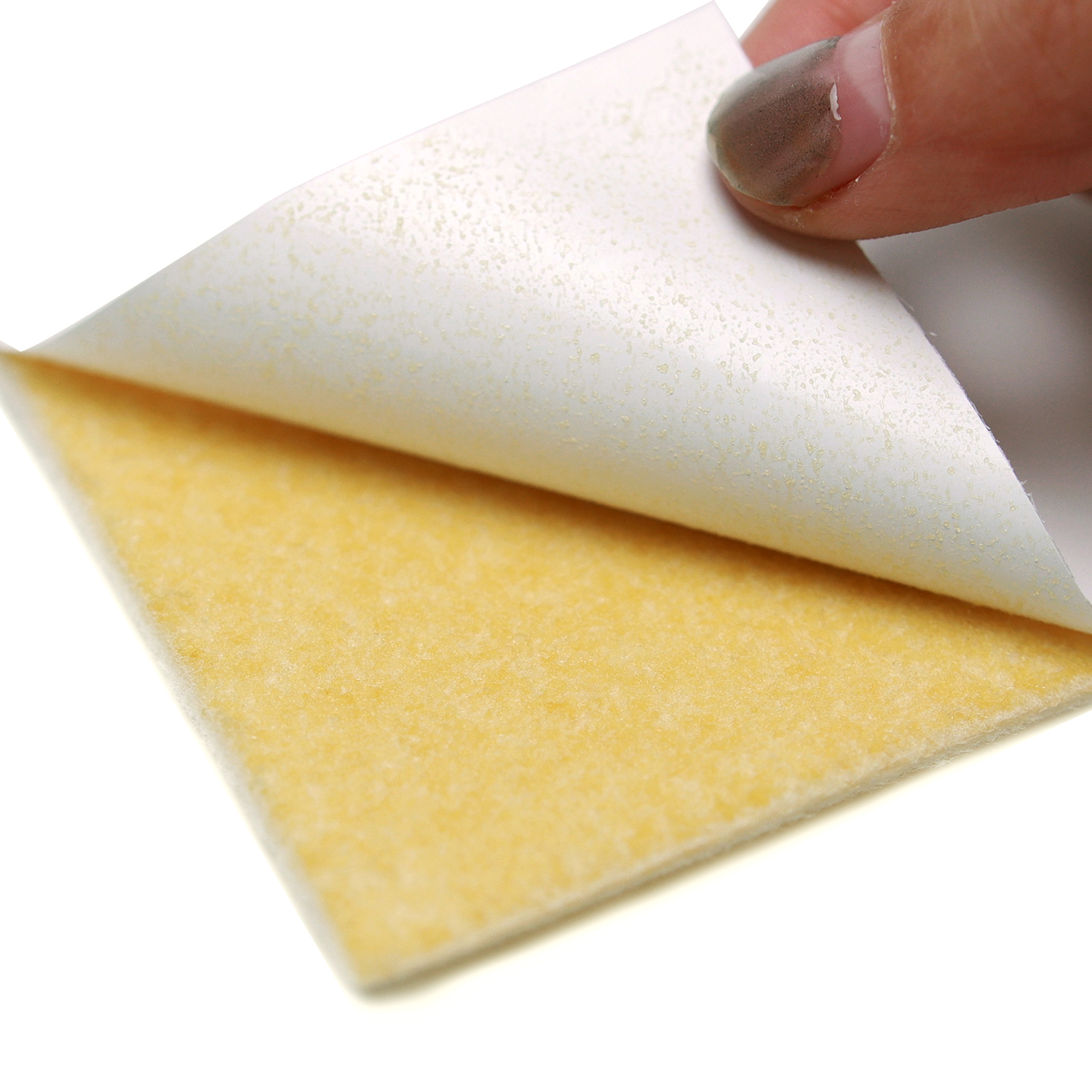
Manuka Honey Alginate Dressing for Chronic Ulcer Exudate
Read Time:5 Minute, 9 Second
Managing moderate-to-heavy exudate in chronic ulcers remains one of the most persistent challenges in wound care. Diabetic foot ulcers and venous leg ulcers frequently stall in the inflammatory phase due to heavy drainage, periwound maceration, bacterial colonization, and the painful adherence of conventional dressings to fragile granulation tissue. For clinicians seeking a single dressing that addresses absorption, infection control, and atraumatic removal simultaneously, Manuka Honey Alginate Dressing, produced by Roosin Medical, offers a clinically grounded solution built on dual-action science.
Why Exudate Management Determines Healing Outcomes
Chronic wounds such as diabetic foot ulcers and venous leg ulcers often stall because excess fluid, bacterial load, and necrotic slough accumulate faster than the wound bed can clear them. Left unmanaged, heavy exudate leads to maceration of healthy periwound skin, persistent malodor, and an environment that favors biofilm resistance over tissue regeneration. At the same time, clinicians must balance absorption with the need to avoid disrupting newly formed granulation tissue — a tension that many single-mechanism dressings fail to resolve.
The Dual-Action Mechanism Behind Manuka Honey Alginate Dressing
Roosin Medical's Manuka Honey Alginate Dressing is engineered around what the company describes as a "Dual-Action Synergy of Bioactive Manuka Honey & Calcium Alginate." This combination is designed to convert high-capacity exudate absorption into a cohesive honey-gel matrix, addressing several wound-bed challenges at once:
- 100% Medical-grade Manuka honey, rich in natural Methylglyoxal (MGO), delivers broad-spectrum antimicrobial action, suppresses biofilm formation, and neutralizes foul wound odors without relying on synthetic antibiotics.
- Hydrophilic calcium alginate fibers use an ion-exchange gelling mechanism to absorb large volumes of wound exudate, locking in fluid to prevent periwound maceration while also assisting in mild local hemostasis.
- Cohesive gel formation creates a non-adherent moist contact interface, preventing fiber adherence to new granulation tissue and allowing painless, intact one-piece removal during dressing changes.
- The dressing's natural, non-toxic profile means it remains gentle and non-stinging on raw tissue beds.
This combination is specifically positioned to clear heavy discharge, drive painless autolytic debridement, control infection and odor, and guarantee one-piece, non-adherent removal — directly targeting the core pain points of moderate-to-heavy exudate chronic ulcers.
Addressing the Core Pain Points of Chronic Ulcer Care
For clinicians managing diabetic foot ulcers, venous leg ulcers, cavity wounds, and slough-covered lesions, the dressing is designed to respond to several well-documented clinical difficulties:
- Heavy exudate, maceration, and persistent malodor in chronic ulcers and cavity wounds.
- Bacterial colonization, infection risk, and biofilm resistance in contaminated or surgically compromised wounds.
- Secondary trauma and acute discomfort caused by dressings adhering to the wound bed during routine changes.
By pairing honey's antimicrobial and debriding properties with alginate's absorptive capacity, the dressing is formulated to manage drainage, eliminate odor, clear devitalized tissue through autolytic debridement, and support the initiation of healthy granulation — all within a single application cycle.
Clinical Application: Chronic Exudative Ulcer Management
According to Roosin Medical's documented customer case for Chronic Exudative Ulcer Management, the Manuka Honey Alginate Dressing has been used on heavily exuding, sloughy diabetic foot ulcers and venous leg ulcers specifically to manage drainage, eliminate odor, clear devitalized tissue via autolytic debridement, and initiate healthy granulation. This case reflects the intended real-world function of the dressing in settings where exudate volume and infection risk are the primary barriers to wound closure.
Technical and Regulatory Foundations
Clinical credibility in advanced wound care depends on verifiable manufacturing and regulatory standards. Roosin Medical states that its Manuka Honey Alginate Dressing is US FDA cleared and manufactured under ISO 13485 medical device quality management systems within ISO cleanroom standards, with products described as latex-free and gamma-sterilized. These are not incidental details — for hospital procurement teams and distributors, traceable regulatory clearance and cleanroom-grade manufacturing are prerequisites for inclusion in chronic wound care formularies.
This product-level assurance is consistent with Roosin Medical's broader regulatory profile. The company holds EU MDR (TÜV Rheinland) certification and US FDA 510(k) clearance for its collagen dressings, along with ISO 13485:2016 and MDSAP compliance verified by BSI. Its manufacturing operates from a 10,000 m² facility with ISO Class 7/8 cleanrooms and automated production — infrastructure that supports consistent quality across sterile wound care products distributed to 87 countries.
Format Flexibility for Varied Clinical Settings
Recognizing that wound presentations vary widely in size and depth, Roosin Medical supplies the Manuka Honey Alginate Dressing as a physical product in multiple configurations: flat sheet sizes of 5×5 cm, 10×10 cm, and 10×20 cm, as well as packing rope/ribbon formats suited to cavity and tunneling wounds. The company also supports custom OEM/ODM specifications, allowing hospital procurement teams and medical distributors to tailor supply to specific clinical protocols. Distribution channels include hospital procurement, veterinary clinical supply networks, and medical distributor networks.
Where This Dressing Fits in the Care Pathway
Roosin Medical identifies its target industry adaptation for this product as chronic wound care clinics — specifically diabetic foot, pressure ulcer, and venous ulcer management — along with burn and trauma units and post-surgical recovery wards. For clinicians evaluating dressing options for patients with moderate-to-heavy exudate chronic ulcers, the central clinical question is whether a single dressing can simultaneously absorb drainage, limit bacterial colonization, and minimize trauma during changes. Roosin Medical's documented mechanism — combining Manuka honey's antimicrobial and debriding action with calcium alginate's absorptive gelling — is built to answer exactly that combination of requirements.
A Research-Driven Approach to Wound Care
Roosin Medical operates dual R&D centers in Shanghai and Taizhou, drawing on what the company describes as 30 years of technical expertise in functional dressing lines and biomaterials. This R&D foundation, combined with the company's stated strategic positioning around specialized advanced wound care and emergency trauma solutions, underpins the clinical rationale behind the Manuka Honey Alginate Dressing. For healthcare procurement teams and clinicians seeking a documented, regulation-backed option for chronic exudative ulcer management, the product represents a targeted application of the company's broader manufacturing and quality infrastructure to one of wound care's most persistent clinical challenges.
https://www.roosin.com/
Roosin Medical Co., Ltd.


Happy
0 %

Sad
0 %

Excited
0 %

Sleepy
0 %

Angry
0 %

Surprise
0 %
 0
 0

Average Rating