In modern construction engineering, rigid scaffold clamps are essential components that determine the structural integrity of scaffolding systems under high-load and high-risk working conditions. Unlike adjustable or swivel clamps, rigid clamps are designed to create fixed-angle connections between scaffold tubes, ensuring maximum stability and load transfer efficiency in vertical and horizontal structural assemblies.
In high-rise construction, bridge engineering, shipbuilding maintenance, and industrial infrastructure projects, the performance of a scaffold system depends heavily on the mechanical reliability of its connection points. A single weak clamp can compromise the stability of an entire structural frame, making rigid scaffold clamps a critical safety component rather than a simple accessory.
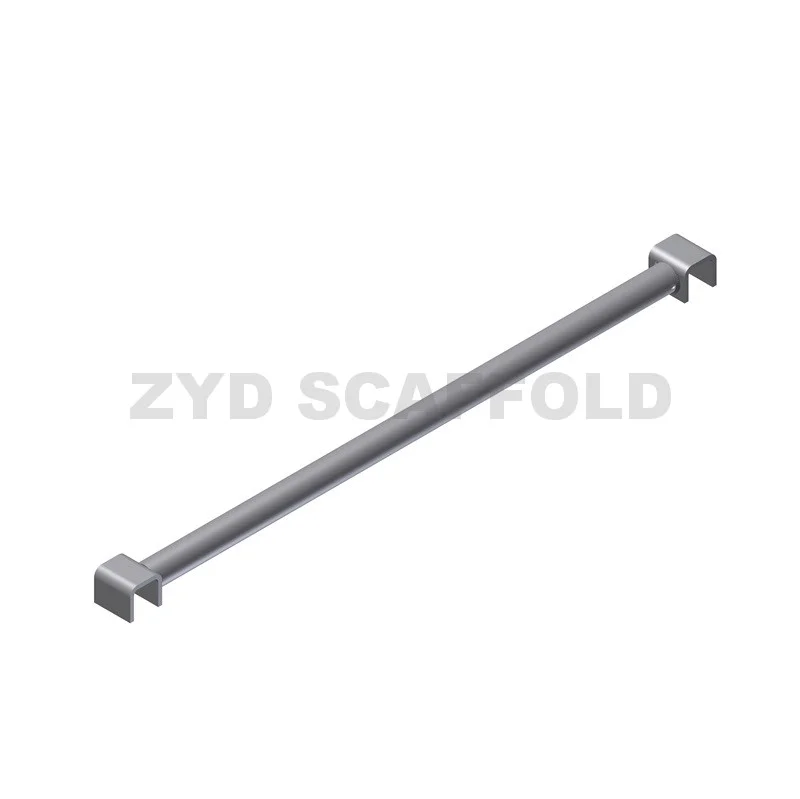
Structural Role of Rigid Scaffold Clamps in Load-Bearing Systems
Rigid scaffold clamps function as fixed-angle connectors that lock scaffold tubes into non-movable structural joints. The most common configurations include 90-degree right-angle connections used in façade scaffolding, access towers, and structural support frames.
Unlike swivel clamps that allow rotational flexibility, rigid clamps are designed to eliminate angular movement entirely. This rigidity ensures that applied loads are transferred directly through the scaffold structure without introducing secondary bending moments or torsional stress.
In load-bearing systems, this direct force transfer is essential for maintaining frame stability under vertical compressive loads, lateral wind forces, and dynamic construction activity.
A properly installed rigid clamp effectively transforms individual scaffold tubes into a unified structural lattice capable of supporting high distributed loads.
Load Performance and Mechanical Strength Parameters
The mechanical performance of rigid scaffold clamps is defined by several key parameters: clamp tensile strength, slip resistance, bolt tightening torque, and material grade.
Typical working load capacity per clamp ranges from 6 kN to 12 kN depending on design standards and manufacturing quality. High-performance forged clamps can achieve even higher load thresholds when properly installed within certified scaffold systems.
Slip resistance is one of the most critical performance indicators. Under load, the clamp must prevent any relative movement between connected tubes. Even minor slippage of 1–2 mm can lead to cumulative misalignment across the scaffold structure, increasing instability risk.
Bolt tightening torque typically ranges between 45 Nm and 65 Nm depending on bolt size and clamp design. Proper torque application ensures optimal frictional force between clamp surfaces and scaffold tubes, which is essential for maintaining structural rigidity.
Material selection also plays a decisive role. Forged steel clamps offer significantly higher strength and fatigue resistance compared to cast iron alternatives, particularly in high-load or repeated-use environments.
Stress Distribution and Failure Mechanisms in Real Conditions
Rigid scaffold clamps operate under complex multi-directional stress conditions in real construction environments.
The primary stress is compressive force generated by vertical load transfer through scaffold tubes. However, secondary stresses arise from wind load, worker movement, material handling, and uneven load distribution across the scaffold structure.
One common failure mechanism is bolt loosening under cyclic loading. Continuous vibration and dynamic construction activity can gradually reduce clamping force, leading to micro-slippage between tubes.
Another critical issue is deformation of clamp housings under excessive load. If material strength is insufficient or casting quality is inconsistent, localized plastic deformation can occur at high-stress contact points.
Corrosion is also a long-term risk factor, particularly in outdoor construction environments. Rust formation on clamp surfaces can reduce friction coefficient, directly affecting slip resistance and structural stability.
Fatigue failure typically occurs after repeated loading cycles in high-use scaffolding systems, especially when clamps are reused across multiple projects without proper inspection.
Material Engineering and Surface Protection
The performance of rigid scaffold clamps is strongly influenced by material grade and surface treatment.
Forged carbon steel is widely used due to its high tensile strength and superior grain structure, which provides better resistance to cracking under load compared to cast alternatives.
Heat treatment processes such as quenching and tempering are commonly applied to improve hardness and mechanical durability while maintaining sufficient ductility to prevent brittle failure.
Surface protection is equally important for long-term reliability. Hot-dip galvanization is the most common anti-corrosion treatment, providing a zinc coating typically between 50 and 80 microns.
In more aggressive environments such as coastal construction or chemical plant maintenance, enhanced galvanization or additional protective coatings may be required to ensure long-term performance stability.
Surface quality also affects clamp friction behavior. Excessive coating thickness in contact areas must be controlled to maintain consistent clamping force and prevent slip risk.
System Integration in Scaffold Structures
Rigid scaffold clamps are not standalone components; they function as part of an integrated structural system composed of tubes, base jacks, ledgers, and diagonal bracing elements.
In façade scaffolding systems, rigid clamps are primarily used to create rectangular grid structures that distribute loads evenly across vertical supports. This grid structure improves overall system stiffness and reduces lateral deformation under wind pressure.
In access tower systems, rigid clamps ensure vertical alignment and structural rigidity, enabling safe worker access at elevated heights.
In industrial maintenance platforms, clamps are often used in combination with modular scaffold tubes to create customized load-bearing structures that adapt to complex equipment geometries.
Proper system design ensures that load paths are continuous and evenly distributed, minimizing stress concentration at individual connection points.
ZYD SCAFFOLD provides integrated scaffolding systems where rigid scaffold clamps are engineered to work seamlessly with standardized tube diameters and structural configurations, ensuring compatibility and load consistency across different applications.
Manufacturing Process and Quality Control
The reliability of rigid scaffold clamps depends heavily on manufacturing precision, forging quality, and assembly consistency.
Forging is the preferred manufacturing method for high-performance clamps because it aligns metal grain structure with stress flow paths, significantly improving mechanical strength compared to casting processes.
Machining ensures dimensional accuracy at critical contact surfaces, particularly at tube seating areas where uniform pressure distribution is required to prevent slippage.
Bolt and nut systems must meet strict mechanical property requirements, typically high-strength grade 8.8 or 10.9 fasteners depending on application load class.
Quality control includes tensile testing, torque resistance testing, and dimensional inspection to ensure compliance with structural safety standards.
Batch consistency is particularly important in large construction projects where thousands of clamps may be used in a single scaffold system.
Operational Safety and Installation Considerations
Correct installation is essential for ensuring the performance of rigid scaffold clamps.
Proper torque application ensures sufficient clamping force without over-stressing bolt threads or deforming clamp housings. Under-tightening increases slip risk, while over-tightening can damage structural integrity.
Alignment of scaffold tubes within the clamp must be precise to ensure full surface contact. Partial contact reduces friction area and significantly lowers load-bearing capacity.
Regular inspection during construction is necessary to detect loosening, corrosion, or deformation caused by dynamic site conditions.
In high-rise or high-risk construction environments, systematic clamp inspection protocols are essential for maintaining structural safety throughout project duration.
Lifecycle Performance and Maintenance Strategy
Rigid scaffold clamps are typically reused across multiple construction projects, making lifecycle durability a critical economic factor.
Wear primarily occurs at contact surfaces and bolt threads due to repeated tightening cycles and exposure to environmental conditions.
Corrosion protection significantly extends service life, especially in outdoor environments where moisture and temperature fluctuations accelerate material degradation.
Periodic replacement policies are often based on visual inspection criteria, including deformation, thread wear, and surface corrosion levels.
Proper storage after use also plays a role in extending service life, particularly by preventing rust formation and mechanical damage during transportation.
Conclusion
Rigid scaffold clamps are fundamental structural components in modern scaffolding systems, directly influencing load stability, structural rigidity, and overall construction safety.
Their performance is defined by material strength, manufacturing precision, and correct installation practices working together within an integrated structural system.
As construction projects continue to demand higher safety standards, greater load capacity, and improved efficiency, the importance of reliable rigid scaffold clamp systems will continue to grow.
Manufacturers such as ZYD SCAFFOLD play a critical role in delivering high-strength, precision-engineered scaffolding components that ensure structural safety and operational reliability across global construction environments.


 0
0
 0
0
Average Rating