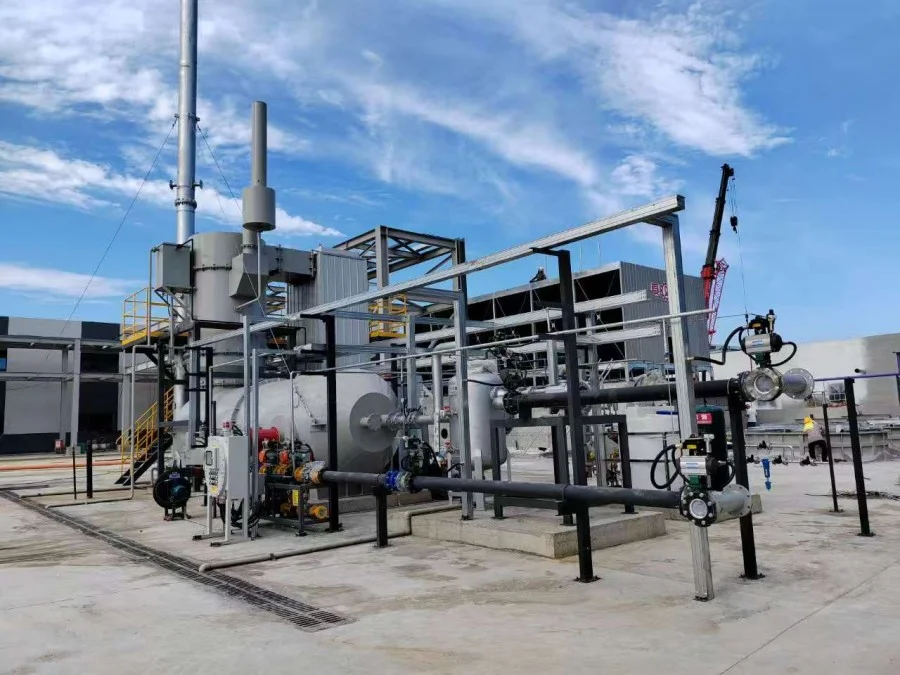
Solid Waste Horizontally-mounted Incinerator: Key Factors to Consider Before Investing
Read Time:5 Minute, 15 Second
Choosing an incineration system is rarely a straightforward equipment purchase. For industries dealing with hazardous materials, chemical residues, medical waste, or mixed industrial refuse, the incinerator becomes a core component of the entire environmental management strategy. The equipment must operate reliably for years, adapt to changing waste characteristics, and comply with increasingly strict emission regulations.
Among various thermal treatment technologies, the Solid Waste Horizontally-mounted Incinerator has gained widespread attention because of its flexibility and operational stability. Its design is particularly suitable for facilities handling diverse waste streams and seeking efficient, low-maintenance solutions.
However, not all incinerators deliver the same performance. Understanding the technical factors behind the equipment is essential for making an informed investment decision.
Waste Characteristics Should Drive Equipment Selection
The first question in any incineration project is not the equipment size or fuel type. It is the waste itself.
Different industries generate vastly different solid wastes. Chemical plants may produce contaminated packaging materials and process residues. Hospitals generate infectious waste with strict sterilization requirements. Pharmaceutical manufacturers often deal with high-moisture sludge and organic by-products.
These characteristics directly affect combustion behavior.
A Solid Waste Horizontally-mounted Incinerator is particularly effective because its chamber design accommodates wide variations in waste composition. Materials with different calorific values can be distributed evenly within the chamber, allowing gradual drying, pyrolysis, and combustion.
For wastes with moisture content above 30%, additional auxiliary burners may be required to maintain stable combustion temperatures. High-calorific materials, on the other hand, may benefit from staged air supply systems that prevent excessive temperatures and protect refractory linings.
Understanding waste properties in advance allows manufacturers to optimize chamber dimensions, air distribution, and burner configurations, resulting in higher efficiency and lower operating costs.
Combustion Efficiency Depends on More Than Temperature
A common misconception is that higher temperatures automatically result in better incineration.
In reality, complete combustion depends on the balance between temperature, residence time, turbulence, and oxygen availability.
The horizontally-mounted design provides advantages in this regard. Waste moves progressively through the combustion chamber, allowing sufficient time for drying and burnout. Primary air supports combustion within the waste bed, while secondary air promotes the oxidation of combustible gases in the secondary chamber.
Maintaining temperatures above 850°C in the secondary chamber is generally considered essential for destroying hazardous organic compounds. Equally important is ensuring that flue gases remain in this high-temperature environment long enough to achieve complete oxidation.
Modern control systems continuously adjust air flow, burner output, and chamber pressure based on real-time operating conditions. This dynamic regulation helps maintain combustion efficiency while reducing fuel consumption and minimizing pollutant formation.
Refractory Materials Influence Equipment Lifespan
Incinerators operate in extremely harsh environments.
Combustion chambers are exposed to temperatures exceeding 1,000°C, corrosive gases, thermal cycling, and abrasive ash particles. Under such conditions, refractory materials become one of the most important determinants of equipment lifespan.
High-performance refractories provide thermal insulation, protect the steel shell, and resist chemical attack from aggressive waste streams.
Different areas of the incinerator may require different refractory compositions. The primary chamber often uses abrasion-resistant materials because of direct contact with waste and ash. The secondary chamber typically prioritizes thermal shock resistance and chemical stability to withstand sustained high temperatures.
Selecting appropriate refractory systems reduces maintenance frequency and helps maintain stable operating conditions over many years.
Environmental Compliance Is No Longer Optional
Environmental standards for waste incineration are becoming increasingly stringent around the world.
Facilities are expected to control emissions of particulate matter, sulfur oxides, nitrogen oxides, dioxins, heavy metals, and acidic gases. Meeting these requirements requires a comprehensive approach that integrates combustion optimization with advanced flue gas treatment technologies.
A modern Solid Waste Horizontally-mounted Incinerator is usually paired with multiple emission control stages.
Rapid cooling systems reduce the risk of dioxin reformation. Baghouse filters capture fine particulates, while wet or dry scrubbers remove acidic components. Activated carbon injection systems are often employed to adsorb heavy metals and trace organic pollutants.
The effectiveness of these systems depends on how well they are integrated with the combustion process itself. Stable combustion reduces pollutant formation at the source, improving overall environmental performance and lowering operating costs.
Automation Is Becoming a Competitive Advantage
As labor costs rise and operational reliability becomes increasingly important, automation is transforming the incineration industry.
Modern incinerators are equipped with PLC and SCADA systems that provide real-time monitoring of temperatures, oxygen levels, chamber pressure, burner status, and emission parameters.
Operators can monitor equipment remotely, analyze historical operating data, and receive early warnings when abnormal conditions occur.
This level of automation improves process stability while reducing the likelihood of human error.
Predictive maintenance is another emerging trend. By analyzing operating parameters and equipment behavior, facilities can identify potential issues before failures occur, reducing downtime and extending equipment lifespan.
For large industrial plants and hazardous waste treatment centers, these intelligent functions are becoming key factors in equipment evaluation.
Experience and Engineering Capability Matter
Incineration projects are highly customized.
Two facilities with similar waste capacities may require completely different combustion chambers, feeding systems, or emission treatment configurations depending on waste composition and local regulations.
This is why engineering capability is often more important than standard product specifications.
Aoli Environmental Protection Technology Co., Ltd. has extensive experience in designing incineration systems for medical waste, organic exhaust gas, waste liquid, hazardous chemicals, and industrial process waste. Its product portfolio covers pyrolysis incinerators, hazardous waste rotary kilns, RTO systems, and thermal energy recovery equipment.
By combining combustion technology with environmental engineering expertise, the company develops customized solutions that help customers achieve efficient waste destruction while meeting increasingly demanding environmental standards.
Conclusion
The Solid Waste Horizontally-mounted Incinerator has become a preferred technology for industries seeking flexible, reliable, and environmentally responsible waste treatment solutions.
Its ability to process diverse waste streams, maintain stable combustion, and integrate with advanced emission control systems makes it suitable for a wide range of industrial applications. At the same time, developments in automation, refractory technology, and energy recovery are further improving its efficiency and long-term value.
For organizations planning new waste treatment facilities or upgrading existing systems, selecting the right Solid Waste Horizontally-mounted Incinerator is not simply an equipment decision. It is an investment in environmental compliance, operational resilience, and sustainable industrial development.
www.jsalfsl.com
Jiangsu Aoli Environmental Protection Technology Co., Ltd.


Happy
0 %

Sad
0 %

Excited
0 %

Sleepy
0 %

Angry
0 %

Surprise
0 %
 0
0
 0
0

Average Rating