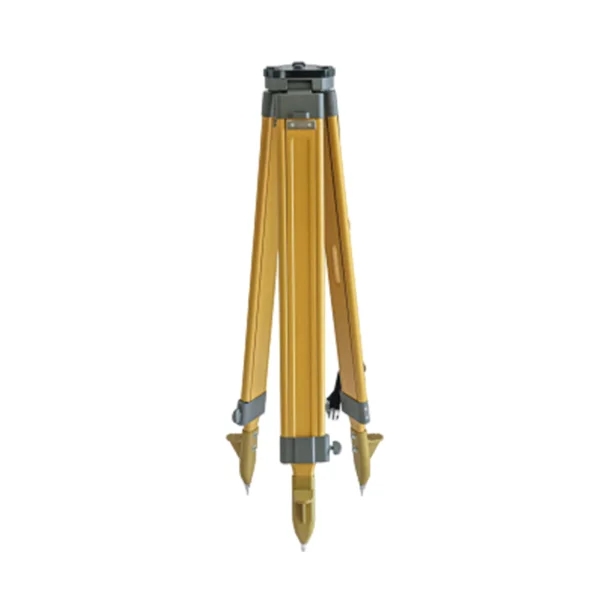
Why Choose a Wooden Total Station Tripod for Your Surveying Needs?
Read Time:4 Minute, 54 Second
In modern surveying projects, accuracy is often associated with advanced instruments such as total stations, GNSS receivers, and laser scanners. However, experienced surveyors know that the stability and reliability of supporting equipment are just as critical. Among these, the tripod plays a foundational role. While aluminum and fiberglass tripods are common, the wooden total station tripod continues to be a preferred choice for many professionals. This article explores why a wooden tripod remains highly relevant and how it meets real-world surveying demands.
The Role of a Tripod in Surveying Accuracy
A total station can only perform as well as the platform supporting it. Any movement, vibration, or instability directly affects measurement results. The tripod must provide:
-
Stable support on uneven ground
-
Resistance to vibration and environmental changes
-
Long-term dimensional consistency
Wooden tripods excel in these areas due to their material properties and proven design.
Natural Vibration Damping for Precision Work
One of the most important advantages of a wooden total station tripod is its natural vibration absorption. Wood fibers dampen micro-vibrations far better than metal or composite materials.
In practical surveying environments—such as near traffic, construction zones, or windy open areas—vibrations are unavoidable. A wooden tripod reduces these disturbances, helping the total station maintain stable line-of-sight and consistent readings. This becomes especially important for high-precision control surveys and long-distance measurements.
Stability Across Temperature Changes
Surveying often takes place outdoors under varying weather conditions. Materials like aluminum expand and contract noticeably with temperature changes, which can introduce subtle but impactful shifts in instrument position.
Wood, by contrast, has a much lower thermal expansion rate. This means:
-
Better dimensional stability in hot or cold conditions
-
Reduced need for repeated re-leveling
-
More reliable measurements over extended working periods
For surveyors working full days on-site, this stability translates directly into efficiency and confidence in the data collected.
Strong Load-Bearing Capacity and Structural Integrity
Wooden tripods are known for their robust structure. High-quality hardwood legs provide excellent load-bearing capacity, making them suitable for heavy total stations and additional accessories.
When properly manufactured and treated, wooden tripods offer:
-
Strong resistance to bending
-
Reliable locking mechanisms
-
Long service life even under frequent use
This makes them ideal for demanding applications such as construction layout, infrastructure projects, and industrial surveying.
Performance on Uneven and Soft Ground
Field surveyors rarely enjoy perfectly flat terrain. Mud, sand, gravel, and sloped surfaces are common challenges. Wooden tripod legs typically feature sharp metal tips and a solid leg profile, allowing them to anchor firmly into the ground.
Compared to lighter materials, wood provides better downward pressure and grip, reducing slippage. This is particularly useful for long observation sessions where maintaining a fixed position is essential.
Durability Proven by Decades of Use
The continued popularity of wooden tripods is not accidental. Their design has been tested and refined over decades of professional surveying use. When properly sealed and maintained, wooden tripods resist:
-
Moisture penetration
-
Surface cracking
-
Structural fatigue
This durability makes them a cost-effective long-term investment, especially for organizations that prioritize reliability over frequent equipment replacement.
Craftsmanship and Quality Control Matter
Not all wooden tripods perform equally. The quality depends heavily on material selection, manufacturing processes, and quality control standards.
Hangzhou Runhe Surveying Instrument Co., Ltd. has deep roots in this field. The company traces its origins back to the Hangzhou Tianmu Surveying Equipment Factory, established in 1980. With decades of experience, Runhe Surveying specializes in manufacturing surveying instrument accessories, including tripods, leveling staffs, plumb rods and supports, and RTK carbon fiber poles.
Their long-standing focus on precision manufacturing and strict quality control ensures that each wooden tripod meets the expectations of professional surveyors. This commitment has helped the company build a strong reputation and maintain long-term partnerships with customers worldwide.
Design Details That Improve Daily Use
Beyond material choice, thoughtful design features enhance the practicality of a wooden total station tripod:
-
Secure clamping systems that hold leg positions firmly
-
Smooth surface finishing for comfortable handling
-
Balanced weight distribution for easier setup
These details may seem small, but in daily field operations they significantly affect efficiency and user experience.
For those interested in a professional-grade option, the wooden total station tripod available at the following link demonstrates these characteristics clearly:
<a href="https://www.runhesurveying.com/product-200287">wooden total station tripod</a>
Sustainability and Environmental Considerations
Wood is a renewable resource when responsibly sourced. Compared with metal or synthetic materials, wooden tripods often have a lower environmental footprint during production.
For companies and professionals increasingly conscious of sustainability, choosing well-manufactured wooden surveying equipment aligns with environmentally responsible practices without compromising performance.
Who Should Choose a Wooden Total Station Tripod?
A wooden tripod is particularly suitable for:
-
High-precision control and monitoring surveys
-
Long-duration observation tasks
-
Projects conducted in variable climates
-
Surveyors who prioritize stability and reliability
While lighter materials may suit rapid, short-term tasks, wood remains the preferred choice when accuracy and stability cannot be compromised.
A Philosophy Built on Quality and Exploration
Runhe Surveying operates under a clear development philosophy: “Bold exploration, quality first, meeting new user needs.” This mindset reflects both respect for proven surveying traditions and openness to evolving industry requirements.
By continuously refining products such as wooden tripods while also expanding into advanced accessories like RTK carbon fiber poles, the company supports surveyors across a wide range of applications.
Conclusion
Choosing a wooden total station tripod is not about tradition alone—it is about performance in real working conditions. From vibration damping and thermal stability to ground grip and durability, wood offers practical advantages that modern surveyors still rely on.
When paired with experienced manufacturing and strict quality control, as demonstrated by Hangzhou Runhe Surveying Instrument Co., Ltd., a wooden tripod becomes a dependable foundation for accurate and efficient surveying work. For professionals who value precision, consistency, and long-term reliability, a wooden total station tripod remains a smart and proven choice.
www.runhesurveying.com
Hangzhou Runhe Surveying Instrument Co., Ltd.


Happy
0 %

Sad
0 %

Excited
0 %

Sleepy
0 %

Angry
0 %

Surprise
0 %
 0
0
 0
0
Average Rating