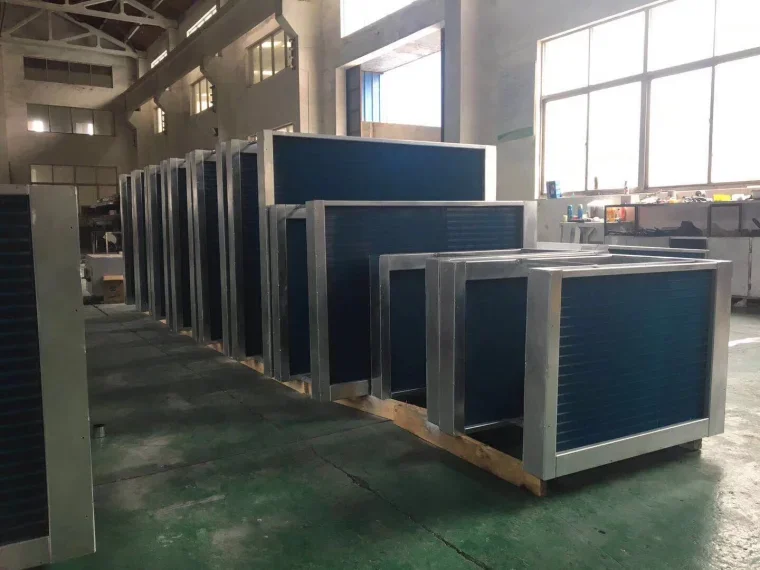
Why Heat Pipe Heat Exchangers Are Becoming Popular in Energy Recovery Systems?
Read Time:7 Minute, 3 Second
Introduction
As energy costs continue to rise and global industries focus more on sustainability, energy recovery has become a key strategy for improving system efficiency. Buildings, manufacturing facilities, data centers, and industrial plants are all searching for reliable technologies that can reduce energy consumption while maintaining stable operation.
Among various heat recovery solutions, the heat pipe heat exchanger has gained increasing attention due to its high efficiency, passive operation, and long service life. Unlike traditional heat recovery equipment that may require complex mechanical components, heat pipe systems use phase-change technology to transfer thermal energy with minimal maintenance requirements.
Today, heat pipe heat exchangers are widely used in HVAC systems, air handling units, industrial ventilation, cleanrooms, and waste heat recovery applications. Their ability to recover otherwise wasted thermal energy makes them an attractive choice for companies looking to improve energy efficiency and reduce operating costs.
This article explores why heat pipe heat exchangers are becoming popular in energy recovery systems, their advantages, applications, and the factors driving their growing adoption.
Understanding the Role of Heat Pipe Heat Exchangers in Energy Recovery
Energy recovery systems are designed to capture and reuse heat that would otherwise be lost. In many commercial and industrial processes, large amounts of thermal energy are exhausted into the environment through ventilation air, industrial gases, or cooling systems.
A heat pipe heat exchanger provides an efficient method to recover this wasted energy.
The basic working principle relies on a sealed heat pipe containing a working fluid. When one side of the heat exchanger is exposed to a hot air stream, the fluid absorbs heat and evaporates. The vapor then moves to the cooler section of the pipe, where it releases heat and condenses back into liquid. This continuous evaporation and condensation cycle transfers thermal energy without requiring external power.
Because heat pipes have no moving mechanical parts, they provide a simple and reliable approach to energy recovery.
1. High Energy Recovery Efficiency
One of the main reasons heat pipe heat exchangers are becoming increasingly popular is their excellent thermal transfer performance.
In traditional ventilation systems, conditioned air is often exhausted outside, resulting in significant energy loss. During winter, heated indoor air carries valuable thermal energy away. During summer, cooled indoor air represents wasted cooling capacity.
A heat pipe heat exchanger captures this lost energy and transfers it back into the incoming air stream.
For example:
-
In winter, heat from exhaust air can preheat incoming fresh air.
-
In summer, cooling energy from return air can reduce the load on air conditioning systems.
This process helps HVAC systems consume less energy while maintaining indoor comfort.
Compared with conventional heat recovery methods, heat pipe systems offer:
-
High heat transfer efficiency
-
Stable operation under changing conditions
-
Low energy consumption
-
Continuous passive heat exchange
These advantages make them especially suitable for facilities operating around the clock.
2. Passive Operation With Minimal Maintenance
Another important advantage of heat pipe heat exchangers is their simple structure.
Unlike mechanical heat recovery equipment that may include:
-
Pumps
-
Motors
-
Rotating components
-
Complex control systems
A heat pipe heat exchanger operates through natural phase change inside sealed tubes.
This passive design provides several benefits:
Reduced maintenance requirements
Since there are no moving parts, there is less risk of mechanical failure. Regular maintenance mainly involves cleaning heat transfer surfaces and checking system conditions.
Longer service life
High-quality heat pipe systems can operate reliably for many years when properly designed and installed.
Lower operating costs
The absence of additional power consumption makes heat pipe heat exchangers an energy-saving solution throughout their lifecycle.
For industrial users, reducing maintenance downtime is just as important as improving energy efficiency.
3. No Cross-Contamination Between Air Streams
Many energy recovery applications require strict separation between supply air and exhaust air.
This is particularly important in:
-
Hospitals
-
Laboratories
-
Food processing facilities
-
Pharmaceutical manufacturing
-
Cleanrooms
A major benefit of a heat pipe heat exchanger is that the two air streams remain physically separated.
The heat transfer occurs inside sealed pipes, meaning:
-
Exhaust air does not mix with fresh air
-
Odors and contaminants are prevented from transferring
-
Indoor air quality is maintained
This makes heat pipe technology a preferred option for applications where hygiene and air purity are critical.
4. Flexible Design for Different Applications
Modern energy recovery projects have different requirements depending on operating conditions. Heat pipe heat exchangers are available in various designs to meet specific needs.
Air-to-Air Heat Pipe Heat Exchangers
These are commonly used in HVAC and ventilation systems.
Typical applications include:
-
Office buildings
-
Shopping centers
-
Hotels
-
Industrial facilities
They recover heat between supply and exhaust air streams.
U-Shaped Heat Pipe Heat Exchangers
U-shaped designs provide flexible installation options and efficient heat transfer performance.
They are widely used in:
-
Air handling units
-
Energy recovery ventilation systems
-
Commercial HVAC equipment
Low-Temperature Heat Pipe Heat Exchangers
These systems are designed for colder environments where frost protection and stable operation are important.
Common applications include:
-
Cold climate buildings
-
Refrigeration facilities
-
Industrial cooling systems
Gas-to-Liquid and Industrial Heat Recovery Systems
In industrial environments, heat pipe technology can recover heat from:
-
Exhaust gases
-
Process equipment
-
Drying systems
-
Furnaces
This recovered energy can be reused for heating air, water, or other processes.
5. Improved HVAC System Performance
HVAC systems account for a significant portion of energy consumption in commercial buildings. Improving HVAC efficiency is therefore one of the most effective ways to reduce energy costs.
A heat pipe heat exchanger helps HVAC systems by reducing the workload of:
-
Heating equipment in winter
-
Cooling equipment in summer
For example, when fresh outdoor air enters a building, HVAC equipment must adjust its temperature before distribution. A heat recovery system reduces the temperature difference between incoming air and indoor air, allowing heating and cooling equipment to operate more efficiently.
This results in:
-
Lower electricity consumption
-
Reduced carbon emissions
-
Improved system performance
-
Better sustainability ratings for buildings
As green building standards become more common, heat recovery technologies are increasingly integrated into modern HVAC designs.
6. Growing Demand for Sustainable Energy Solutions
Environmental regulations and corporate sustainability goals are accelerating the adoption of energy-saving technologies.
Companies today are under increasing pressure to:
-
Reduce greenhouse gas emissions
-
Improve energy efficiency
-
Lower operational expenses
-
Meet green building requirements
Heat pipe heat exchangers support these goals by maximizing the use of existing thermal energy.
Instead of generating new energy for heating or cooling, businesses can recover energy that already exists within their processes.
This approach aligns with global trends toward:
-
Energy conservation
-
Carbon reduction
-
Sustainable manufacturing
-
Smart building development
7. Suitable for Industrial Waste Heat Recovery
Beyond HVAC applications, heat pipe heat exchangers are increasingly used in industrial energy recovery systems.
Many industrial processes generate large amounts of waste heat, including:
-
Manufacturing lines
-
Drying equipment
-
Chemical processes
-
Exhaust systems
-
Power generation equipment
Without recovery technology, this heat is simply released into the environment.
A heat pipe heat exchanger allows industries to capture and reuse this energy.
Potential benefits include:
-
Reduced fuel consumption
-
Lower production costs
-
Improved process efficiency
-
Reduced environmental impact
Industries with continuous heat sources can achieve significant economic benefits by implementing heat recovery systems.
8. Lower Installation and Operating Costs
Cost efficiency is another factor driving the popularity of heat pipe heat exchangers.
Although the initial investment depends on system size and customization requirements, the long-term benefits are significant.
Advantages include:
-
Simple installation
-
Low maintenance costs
-
No additional power requirements
-
Long operating lifespan
For many projects, the energy savings generated over time can offset the initial equipment cost.
When evaluating energy recovery solutions, companies increasingly consider total lifecycle costs rather than only purchase price.
9. What to Consider When Choosing a Heat Pipe Heat Exchanger
Although heat pipe technology offers many advantages, selecting the right system is essential for achieving optimal performance.
Important factors include:
Operating temperature range
Different applications require different working fluids and designs.
Airflow conditions
The heat exchanger must match:
-
Air volume
-
Pressure requirements
-
Flow direction
Material selection
The environment determines suitable materials.
For example:
-
Aluminum may be suitable for general HVAC applications.
-
Stainless steel may be preferred for corrosive industrial environments.
Manufacturer experience
A reliable supplier should provide:
-
Customized engineering solutions
-
Performance data
-
Technical support
-
Quality assurance
Conclusion
The growing popularity of heat pipe heat exchangers in energy recovery systems is driven by their combination of efficiency, reliability, flexibility, and low operating costs.
As businesses continue to search for sustainable ways to reduce energy consumption, heat pipe technology provides an effective solution for recovering wasted thermal energy in HVAC and industrial applications.
With advantages such as passive operation, no cross-contamination, long service life, and excellent heat transfer performance, heat pipe heat exchangers are becoming an increasingly important component of modern energy-efficient systems.
For companies planning new HVAC projects, industrial upgrades, or waste heat recovery solutions, selecting the right heat pipe heat exchanger can provide long-term energy savings and improved system performance.
https://www.nowvleco.com/why-heat-pipe-heat-exchangers-are-becoming-popular-in-energy-recovery-syste
nowvleco


Happy
0 %

Sad
0 %

Excited
0 %

Sleepy
0 %

Angry
0 %

Surprise
0 %
 0
0
 0
0
Average Rating