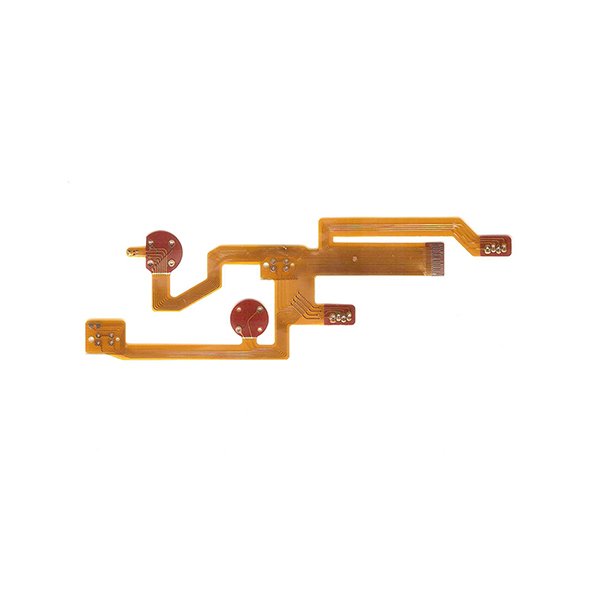
How to Choose a Reliable dip pcb assembly Manufacturer
Read Time:3 Minute, 29 Second
Selecting a dip pcb assembly supplier is no longer just about comparing prices or production capacity. As electronic products become more complex and end markets impose increasingly strict quality requirements, the capabilities of a manufacturing partner can directly influence product reliability, project timelines, and overall supply chain efficiency.
Many companies discover that the challenges of dip pcb assembly extend beyond soldering components onto a board. Process control, engineering support, supply chain management, testing capability, and traceability all contribute to the final product quality. Therefore, evaluating a manufacturer requires a comprehensive understanding of its technical and operational strengths.
The first aspect to examine is manufacturing capability. A reliable dip pcb assembly supplier should possess both SMT and DIP production lines because modern electronic products rarely use only one assembly technology. Mixed-technology designs are common in industrial controllers, medical devices, automotive electronics, and communication systems. Integrated production capabilities enable manufacturers to streamline workflows, reduce logistics costs, and improve production consistency.
Wave soldering equipment is particularly important for DIP assembly. Modern wave soldering systems offer precise control over solder temperature, conveyor speed, flux spraying, and preheating conditions. These parameters directly affect solder joint quality and production yield. Manufacturers equipped with advanced wave soldering machines can achieve more consistent solder filling, minimize bridging defects, and improve long-term reliability.
Engineering support is another critical factor. A capable supplier should participate early in the product development stage rather than waiting until manufacturing begins. Design for Manufacturability (DFM) analysis helps identify potential issues such as inadequate hole sizes, insufficient spacing, thermal imbalance, or difficult component layouts before they become costly production problems.
This proactive approach can significantly improve production yields while reducing development costs and time-to-market. In industries where product lifecycles are becoming shorter, engineering collaboration is increasingly valuable.
Quality control should also be evaluated carefully. High-quality dip pcb assembly relies on multiple inspection stages rather than final inspection alone. AOI systems verify solder quality and component positioning, flying probe testers evaluate electrical continuity, while ICT and FCT ensure the assembled board performs according to design specifications.
Manufacturers that implement full-process quality control and traceability systems provide greater transparency and reduce quality risks. When issues arise, traceability allows rapid root cause analysis and corrective action, minimizing disruptions to production schedules.
Supply chain management has become another important consideration, especially in the post-pandemic electronics industry. Component shortages, price fluctuations, and long lead times have increased the complexity of procurement. Manufacturers offering component sourcing services can help customers reduce supply chain risks and simplify purchasing processes.
An integrated supplier capable of managing PCB fabrication, component procurement, SMT placement, dip pcb assembly, testing, and finished product assembly offers several advantages. It reduces communication complexity, shortens production cycles, and improves coordination across the entire manufacturing process.
Shenzhen Rongbaijia Technology Co., Ltd. exemplifies this integrated approach. Since its establishment in 2009, the company has focused on providing one-stop PCB and PCBA manufacturing services to global customers.
Its manufacturing capabilities cover everything from single-sided and multilayer PCB production to HDI boards, metal core boards, high-frequency boards, and flexible circuits. Combined with seven SMT production lines and two wave soldering machines, Rongbaijia provides comprehensive dip pcb assembly services that support projects ranging from prototypes to high-volume production.
Quality assurance is embedded throughout the manufacturing process. AOI inspection, flying probe testing, ICT/FCT verification, and full-process traceability ensure consistent quality across different product categories. Meanwhile, the engineering team collaborates closely with customers to optimize designs, improve manufacturability, and accelerate project delivery.
The company's products are widely used in consumer electronics, automotive electronics, industrial automation, medical equipment, and communication infrastructure—industries where reliability and consistency are essential.
As electronic products continue to evolve, choosing the right dip pcb assembly manufacturer becomes increasingly important. Beyond production capability, companies need partners who can provide engineering expertise, flexible manufacturing, rigorous quality control, and stable supply chain support.
A reliable manufacturing partner does more than assemble circuit boards. It becomes an extension of the product development process, helping transform designs into reliable, scalable, and market-ready products while reducing risks throughout the product lifecycle.
www.rbjpcb.com
Shenzhen Rongbaijia Technology Co., Ltd.


Happy
0 %

Sad
0 %

Excited
0 %

Sleepy
0 %

Angry
0 %

Surprise
0 %
 0
0
 0
0
Average Rating