Maximizing Air Circulation Efficiency: The Complete Guide to Airflow Ventilation Fan Technology
Read Time:3 Minute, 6 Second
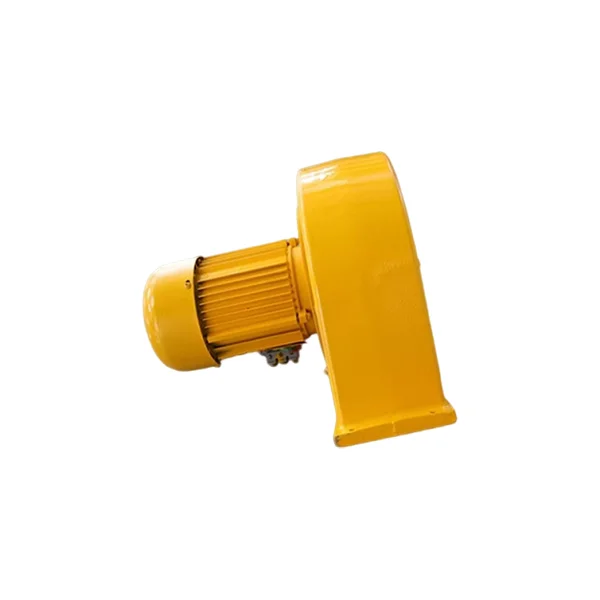
Efficient air circulation plays a critical role in maintaining healthy, comfortable, and energy-efficient indoor environments. From residential homes to commercial and industrial facilities, proper ventilation helps regulate temperature, control humidity, and remove pollutants from the air. At the center of this process is the airflow ventilation fan, a technology designed to move air effectively while minimizing energy consumption. This complete guide Shuoer explores how airflow ventilation fan technology works and its benefits.
Understanding Airflow Ventilation Fan Technology
An airflow ventilation fan is specifically engineered to optimize the movement and exchange of air within enclosed or semi-enclosed spaces. Unlike traditional fans that only recirculate existing air within a room, ventilation fans are designed to actively remove stale, humid, or contaminated air and replace it with fresher airflow from outside or other areas of a building. This targeted air movement helps maintain a healthier and more comfortable indoor environment.
Advanced blade designs, high-performance yet energy-efficient motors, and carefully engineered aerodynamic housings all work together to enhance airflow performance. By reducing air resistance and improving directional control, an airflow ventilation fan can move larger volumes of air more efficiently. Modern airflow ventilation fan systems are also designed with precision engineering to minimize turbulence and operational noise, making them suitable for both quiet residential areas and demanding commercial or industrial environments.
As a result, airflow ventilation fan technology is widely used in kitchens, bathrooms, warehouses, workshops, office buildings, and other spaces where consistent air circulation and ventilation are essential for comfort, safety, and air quality.
Key Features of Modern Airflow Ventilation Fans
1. High-Efficiency Motors
Today’s airflow ventilation fan models are equipped with high-efficiency motors that deliver strong and consistent airflow while consuming less electricity. These motors are designed for continuous or frequent operation without overheating, ensuring reliable performance over time. By reducing energy consumption, high-efficiency motors help lower utility costs and contribute to environmentally friendly building solutions.
2. Optimized Blade Design
Blade design plays a crucial role in determining the effectiveness of an airflow ventilation fan. Advanced blade geometry allows the fan to move larger volumes of air with minimal resistance, improving overall airflow efficiency. This optimized design not only enhances performance but also significantly reduces vibration and noise, making modern airflow ventilation fan systems ideal for residential, commercial, and professional settings where quiet operation is important.
3. Smart Controls and Automation
Many modern airflow ventilation fan systems feature smart controls and automation options that improve both efficiency and user convenience. Timers, humidity sensors, and motion detectors allow the airflow ventilation fan to operate only when necessary. For example, the fan may automatically activate when humidity levels rise or turn off after a preset time, helping to conserveo reduce energy waste while maintaining optimal air quality.
4. Durable and Corrosion-Resistant Materials
Quality airflow ventilation fan units are manufactured using durable, corrosion-resistant materials that can withstand moisture, heat, and long hours of operation. This is especially important in environments such as bathrooms, kitchens, and industrial facilities. Strong construction ensures consistent performance, reduces maintenance needs, and extends the overall service life of the airflow ventilation fan.
Conclusion
Maximizing air circulation efficiency starts with understanding the technology behind an airflow ventilation fan. By improving indoor air quality, enhancing comfort, and supporting energy-efficient building design, these fans play a vital role in modern ventilation systems. Whether used in residential homes, commercial buildings, or industrial facilities, investing in the right airflow ventilation fan is a smart and practical step toward creating healthier, more efficient indoor spaces.
https://www.shuoermetals.com/blower.html
www.shuoermetals.com
Wuxi Shuoer Intelligent Technology Co., Ltd.


Happy
0 %

Sad
0 %

Excited
0 %

Sleepy
0 %

Angry
0 %

Surprise
0 %
 0
0
 0
0

Average Rating