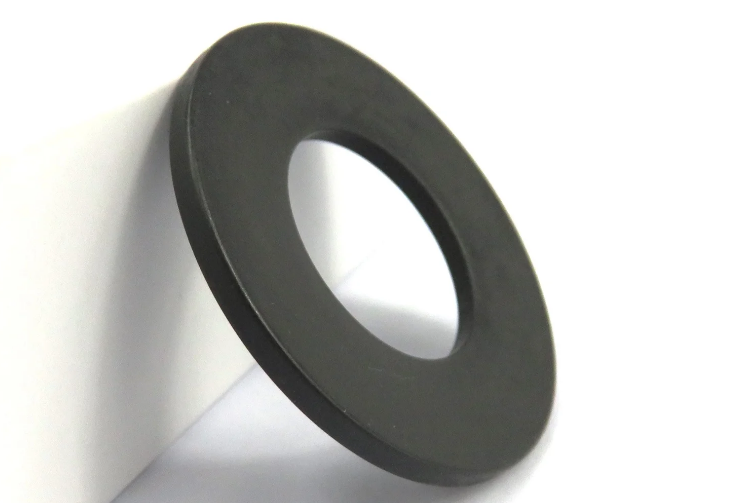
Unlocking the Power of High-Performance Disc Springs for Industrial Applications
Read Time:5 Minute, 7 Second
In modern industrial systems, space is limited, loads are increasing, and reliability expectations are higher than ever. From heavy machinery and energy equipment to precision automation and transportation systems, engineers are constantly looking for compact components that deliver consistent performance under demanding conditions. Disc springs—also known as Belleville springs—have become a critical solution in these environments.
This article explores how high-performance disc springs work, where they deliver the most value, and what to consider when selecting them for industrial applications. We also share how Raleigh Spring Technology Co., Ltd. applies deep technical expertise to help manufacturers achieve stable, long-term results with precision-engineered disc springs.
What Makes Disc Springs Different?
Unlike traditional coil springs, disc springs are conical washers designed to handle very high loads within a small installation space. When compressed, they flatten slightly, storing mechanical energy and providing a predictable load-deflection behavior.
Key structural advantages include:
-
High load capacity in compact dimensions
-
Excellent fatigue resistance when properly designed
-
Ability to stack in series or parallel for customized performance
-
Strong vibration and shock absorption capability
These characteristics make disc springs especially suitable for applications where axial space is limited but force requirements are high.
Core Industrial Applications of Disc Springs
High-performance disc springs are not general-purpose components. They are typically selected for applications where failure is not an option and operating conditions are challenging.
1. Heavy Machinery and Equipment
In presses, rolling mills, and construction equipment, disc springs are used to maintain preload, compensate for wear, and absorb shock loads. Their ability to sustain high forces helps protect structural components and fasteners from loosening or fatigue damage.
2. Energy and Power Generation
Disc springs are widely used in wind turbines, power plant valves, and bolted flange connections. In these systems, they help maintain constant clamping force despite temperature changes, pressure fluctuations, and long-term material relaxation.
3. Automotive and Rail Systems
From braking systems to suspension components, disc springs contribute to consistent force control and vibration damping. Their compact size allows designers to reduce weight without sacrificing performance.
4. Industrial Automation and Precision Equipment
In robotic systems and automated assembly lines, disc springs ensure repeatable motion and controlled force output. Precision-ground disc springs are particularly valuable where tight tolerances are required.
Performance Factors That Matter in Real-World Use
Choosing a disc spring is not simply about size and load rating. Industrial performance depends on multiple interacting factors.
Material Selection
Common materials include high-carbon spring steel, alloy steel, and stainless steel. For demanding environments, material choice must account for:
-
Operating temperature
-
Corrosion exposure
-
Fatigue life requirements
-
Surface treatment compatibility
Advanced heat treatment and surface finishing processes significantly affect long-term performance.
Load and Deflection Accuracy
In high-precision systems, even small deviations in spring characteristics can lead to functional issues. Manufacturing consistency and strict quality control are essential to ensure that each disc spring performs as designed.
Stacking Configuration
One of the greatest advantages of disc springs is flexibility. By stacking springs in different configurations, engineers can fine-tune load curves and deflection ranges. However, improper stacking can lead to uneven stress distribution and premature failure, making technical guidance critical.
Why Engineering Experience Matters
Disc springs may appear simple, but their behavior under load is complex. Factors such as edge stress, friction between stacked springs, and installation alignment all influence performance.
Raleigh Spring Technology Co., Ltd. was established through the collaboration of national spring standard drafters and a group of highly experienced industry experts and engineers. With years of focused work in spring technology, the team understands not only how disc springs should be manufactured, but how they perform in real industrial systems.
This background allows Raleigh Spring to:
-
Interpret application requirements accurately
-
Optimize disc spring geometry and material selection
-
Deliver stable, repeatable performance in demanding environments
-
Support customers through design, testing, and implementation
Rather than offering generic components, the company emphasizes precision, reliability, and application-driven solutions.
Customization for Industrial Demands
Standard disc springs work well for many uses, but industrial applications often require customization. This may involve:
-
Non-standard thickness or outer diameter
-
Special surface coatings for corrosion or wear resistance
-
Tight load tolerance control
-
Enhanced fatigue life for high-cycle applications
Through in-house engineering and manufacturing capabilities, Raleigh Spring Technology Co., Ltd. supports customized disc spring solutions that align with specific operational demands. This approach reduces downstream issues and helps equipment manufacturers improve overall system reliability.
For engineers seeking detailed technical specifications and application-ready solutions, Raleigh Spring’s dedicated disc spring resources provide a practical starting point. You can explore more about their high-performance disc spring solutions here:
<a href="https://www.raleigh-springs.com/Disc-Spring" target="_blank">disc springs</a>
Installation and Maintenance Considerations
Even the best-designed disc spring can fail if installed incorrectly. Common issues include misalignment, uneven surface contact, and over-compression.
Best practices include:
-
Ensuring flat, hardened contact surfaces
-
Avoiding excessive stacking without guidance
-
Monitoring preload during maintenance intervals
-
Replacing springs that show visible cracking or loss of force
Working with an experienced spring manufacturer helps prevent these issues before they occur.
The Future of Disc Springs in Industry
As industrial systems become more compact and performance-driven, the role of disc springs will continue to expand. New materials, improved simulation tools, and tighter manufacturing controls are pushing disc spring capabilities further, enabling higher loads, longer service life, and more predictable behavior.
Companies that combine standards expertise with real-world engineering experience are best positioned to support this evolution. Raleigh Spring Technology Co., Ltd.’s involvement in national spring standards and long-term focus on precision spring technology reflects a commitment to practical, dependable solutions rather than theoretical designs.
Conclusion
High-performance disc springs are a key enabler of reliable, space-efficient industrial design. Their ability to deliver high loads, absorb shock, and maintain consistent force makes them indispensable across many industries.
Selecting the right disc spring requires more than a catalog lookup. It demands an understanding of application conditions, material behavior, and long-term performance requirements. With a strong technical foundation and a focus on precision manufacturing, Raleigh Spring Technology Co., Ltd. continues to support industrial customers seeking dependable disc spring solutions that perform where it matters most.
www.raleigh-springs.com
Raleigh Spring Technology Co., Ltd.


Happy
0 %

Sad
0 %

Excited
0 %

Sleepy
0 %

Angry
0 %

Surprise
0 %
 0
0
 0
0

Average Rating