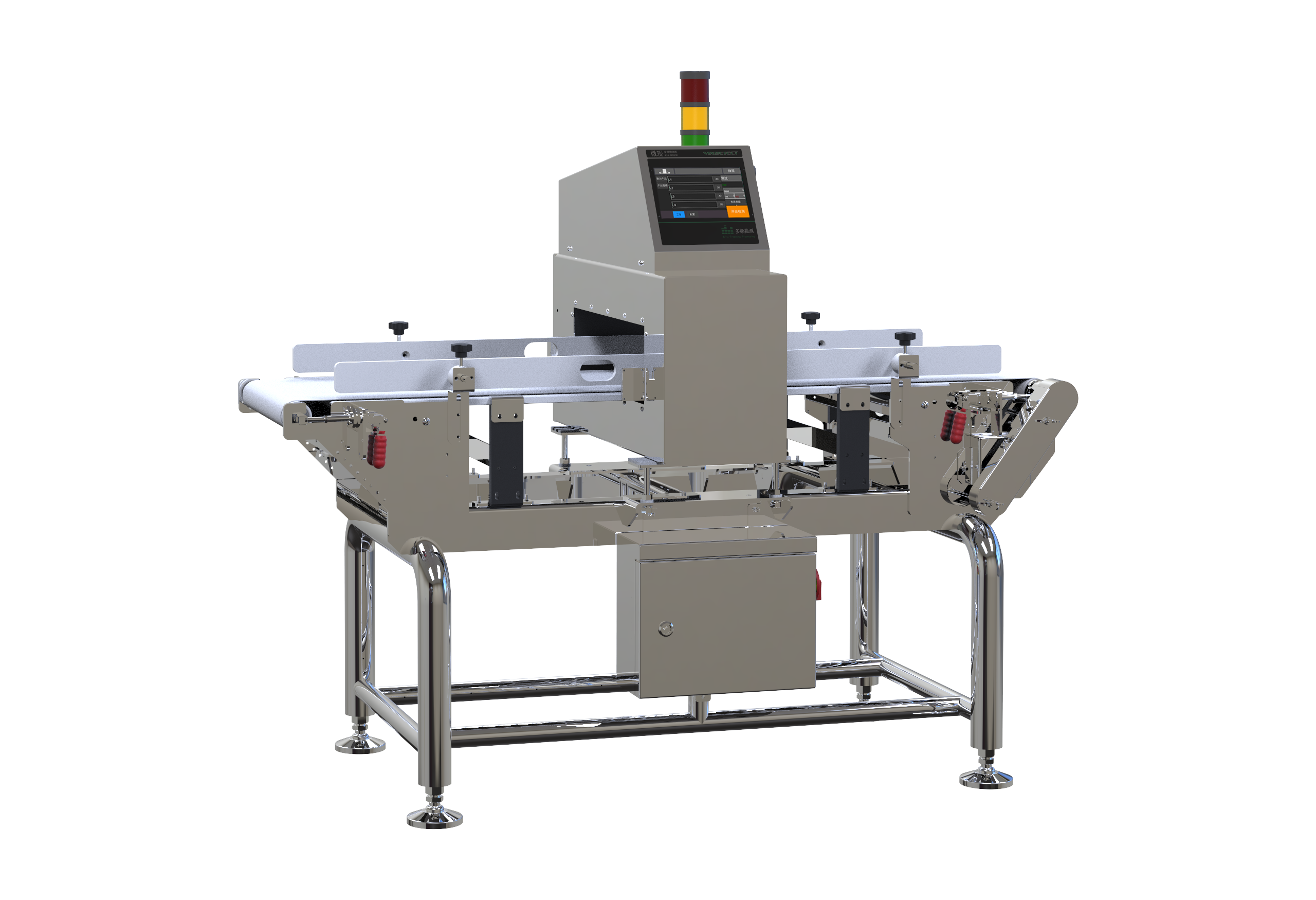
Upgrade Your Production Line With High-Precision Food Metal Detectors
Read Time:5 Minute, 46 Second
In the highly competitive food industry, ensuring product safety and maintaining consumer trust are paramount. Contamination, especially from metal fragments, poses serious risks to both consumers and brands. One of the most effective solutions to prevent such hazards is the integration of high-precision food metal detectors into your production line. Upgrading your facility with these advanced devices not only improves safety but also enhances operational efficiency, ensures regulatory compliance, and safeguards your reputation. This article explores the importance, benefits, and considerations of adopting high-precision food metal detectors for modern food production.
Why Metal Contamination Is a Serious Concern
Metal contamination in food products can occur at various stages of the production process. Machinery wear, broken equipment parts, or even accidental introduction during packaging can result in metal fragments in your products. Even the smallest metal particle can cause injuries, recalls, and legal liabilities. According to global food safety standards, including FDA and ISO regulations, manufacturers are required to implement measures to detect and remove foreign contaminants from their products.
Failure to address metal contamination can have severe consequences:
-
Product Recalls: Contaminated products lead to costly recalls, affecting both finances and brand reputation.
-
Consumer Injuries: Metal fragments can cause choking, cuts, or other serious injuries.
-
Regulatory Penalties: Non-compliance with food safety standards may result in fines or suspension of operations.
-
Loss of Trust: Consumers are unlikely to trust a brand that fails to ensure product safety.
Given these risks, investing in high-precision food metal detectors is no longer optional—it is a critical aspect of modern food production.
What Are High-Precision Food Metal Detectors?
High-precision food metal detectors are advanced devices designed to identify and remove metal contaminants from food products with remarkable accuracy. Unlike basic metal detection systems, these high-precision models employ sophisticated technologies to detect even the smallest ferrous, non-ferrous, and stainless-steel particles, ensuring maximum safety.
Key features of high-precision food metal detectors include:
-
Multi-Frequency Detection: Modern detectors can operate at multiple frequencies, allowing them to detect different types of metals with greater sensitivity.
-
Advanced Signal Processing: These systems can differentiate between actual metal contaminants and harmless product variations, reducing false rejects.
-
High Sensitivity Settings: Adjustable sensitivity ensures detection of metal fragments as small as 0.3 mm, depending on product type and packaging.
-
Integration With Production Lines: Detectors can be seamlessly installed in conveyors, packaging lines, and processing equipment, enabling real-time monitoring.
-
Data Logging and Reporting: Many systems provide digital records for compliance, traceability, and quality assurance purposes.
With these features, high-precision food metal detectors go beyond basic safety checks—they are an integral part of a smart, efficient production line.
Benefits of Upgrading Your Production Line
Integrating high-precision food metal detectors into your production line provides multiple benefits that extend beyond basic safety:
1. Enhanced Food Safety
The primary advantage is improved safety for your consumers. High-precision detectors ensure that every product leaving your facility is free from metal contaminants. This reduces the risk of injuries and reinforces your commitment to quality and safety.
2. Regulatory Compliance
Food manufacturers must comply with strict regulatory standards. High-precision metal detectors help meet these requirements by providing consistent, documented inspection results. Regulatory agencies, such as the FDA, ISO, and HACCP authorities, increasingly expect manufacturers to implement advanced metal detection systems as part of their hazard analysis and critical control points (HACCP) protocols.
3. Reduced Product Recalls
Contamination incidents often lead to recalls, which are expensive and damaging to brand reputation. By detecting metal fragments before products reach consumers, high-precision detectors significantly reduce the likelihood of recalls, saving money and maintaining consumer trust.
4. Increased Operational Efficiency
Modern food metal detectors are designed to integrate with automated production lines. This allows for continuous inspection without slowing down production, minimizing waste and downtime. Sophisticated systems can automatically reject contaminated products, reducing the need for manual inspection.
5. Protection of Equipment and Infrastructure
Metal contaminants not only pose risks to consumers but also can damage processing equipment. Detecting and removing metal fragments early prevents equipment breakdowns, reduces maintenance costs, and prolongs machinery lifespan.
Types of Food Metal Detectors
Selecting the right metal detector depends on your specific products and production requirements. Some common types include:
-
Conveyor Metal Detectors: Ideal for packaged and bulk food products moving on conveyor belts.
-
Pipe Metal Detectors: Suitable for liquids, pastes, or semi-solid products transported through pipes.
-
Checkweigher Integrated Metal Detectors: Combine weight inspection and metal detection, ensuring quality and safety simultaneously.
-
Manual and Portable Detectors: Used for spot checks or small-scale production lines where fixed systems are not feasible.
Understanding your product type, production speed, and packaging materials is essential for choosing the right system.
Key Considerations When Upgrading
When upgrading your production line, several factors should be considered to maximize the benefits of high-precision food metal detectors:
-
Product Sensitivity: Different foods, such as chocolate, cheese, or frozen products, can affect detector sensitivity. Choose a system optimized for your product types.
-
Packaging Materials: Metal detection can be influenced by packaging materials like foil, glass, or multilayer plastics. Ensure the detector can handle these variations.
-
Speed and Throughput: High-speed production lines require detectors that maintain accuracy without slowing down operations.
-
Ease of Maintenance: Systems with easy calibration, cleaning, and maintenance reduce downtime and operational costs.
-
Compliance Requirements: Ensure the detector meets local and international food safety standards.
By carefully evaluating these factors, you can select a high-precision metal detector that seamlessly fits your production line and meets long-term operational goals.
Future Trends in Food Metal Detection
The food industry is evolving rapidly, and metal detection technology is keeping pace. Some emerging trends include:
-
Smart Detectors: Integration with AI and machine learning allows systems to adapt sensitivity automatically based on product type and line conditions.
-
IoT Connectivity: Modern detectors can connect to cloud-based monitoring systems, enabling remote diagnostics, real-time reporting, and predictive maintenance.
-
Multi-Detection Systems: Combining metal detection with X-ray or vision inspection for enhanced safety and quality control.
-
Sustainability: Systems are being designed to reduce energy consumption and minimize product waste during detection and rejection processes.
By adopting these advanced technologies, manufacturers can stay ahead of safety standards and maintain a competitive edge.
Conclusion
Upgrading your production line with high-precision food metal detectors is no longer a luxury—it is a necessity in the modern food industry. These advanced systems not only protect consumers from potential harm but also ensure regulatory compliance, reduce recalls, and enhance operational efficiency. By carefully selecting the right detector for your products and integrating it seamlessly into your production line, you can safeguard your brand, improve product quality, and gain a competitive advantage.
Investing in high-precision food metal detectors is an investment in safety, efficiency, and long-term business success. With the latest technology at your disposal, your production line can achieve unmatched precision, reliability, and consumer trust—making your brand a leader in food safety.
www.vixdetect.net
vixdetect


Happy
0 %

Sad
0 %

Excited
0 %

Sleepy
0 %

Angry
0 %

Surprise
0 %
 0
0
 0
0


Average Rating