Collagen Dressing Guide for Chronic Wound Healing Success
Read Time:5 Minute, 48 Second
Understanding Chronic Wound Stalling and the Role of Collagen Dressing
Chronic wounds such as diabetic foot ulcers and venous leg ulcers frequently stop progressing through the normal healing cascade. This stalling is often linked to an accumulation of excess matrix metalloproteinases (MMPs), which can break down the structural proteins a wound needs to form new tissue. A collagen dressing addresses this specific biological obstacle by introducing bioactive collagen that binds excess MMPs, helping to restart the healing process in wounds that have plateaued.
For clinicians and caregivers researching collagen dressing options for chronic wound healing, understanding how the material interacts with the wound bed — and how it is manufactured and validated — is essential before incorporating it into a care plan.
Why Pure Type I Collagen Matters in Advanced Wound Care
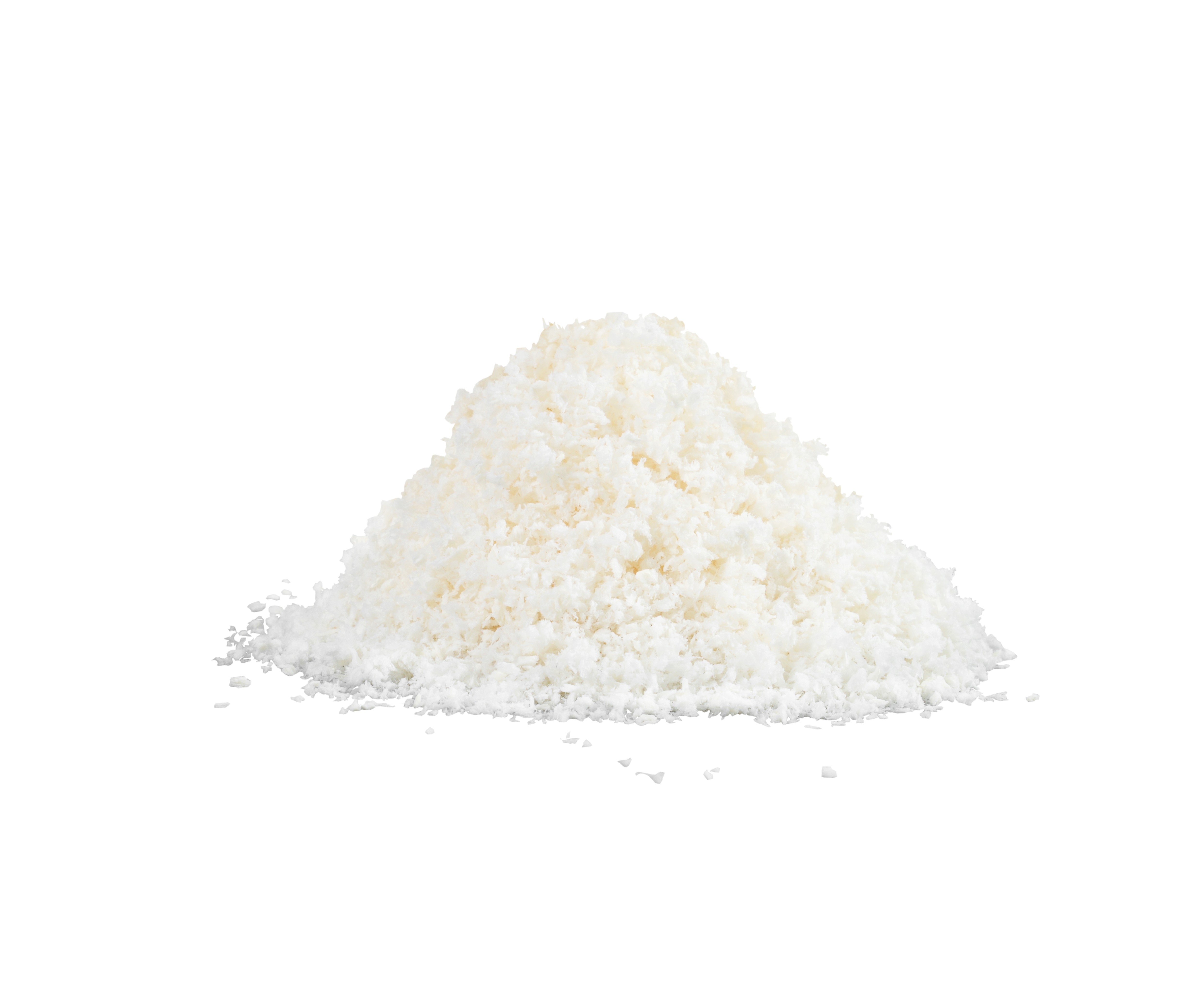
Roosin Medical, operating under its full corporate name Roosin Medical Co., Ltd., produces a Collagen Dressing available in both Sheet and Powder formats, built on pure Type I bovine collagen. This bioactive substrate is positioned to bind excess MMPs and provide structural scaffolding, which helps jumpstart stalled healing in chronic human ulcers.
Addressing Dead Space and Excess MMPs
One of the persistent challenges in chronic wound management is dead space in tunneling wounds — pockets beneath the visible wound surface that are difficult to fill and that delay closure. The Powder format of the Collagen Dressing is designed for deep cavity application, allowing it to pack and obliterate dead space in tunneling wounds. The Sheet format, by contrast, is intended for surface application, covering open wounds with a protective collagen matrix.
A further key feature is that the dressing is biocompatible and resorbable. Because the collagen scaffold is completely absorbed by native tissue, there is no need for mechanical removal — which eliminates secondary trauma that can otherwise occur when a dressing is peeled away from fragile healing tissue.
Regulatory Standards Supporting Clinical Confidence
Any discussion of a collagen dressing for chronic wound healing should include the regulatory framework behind the product, since compliance standards are a direct indicator of manufacturing discipline. Roosin Medical's Collagen Dressing supports US FDA 510(k) clearance and is manufactured in compliance with ISO 13485 quality standards.
This regulatory positioning is reinforced at the corporate level. Roosin Medical holds EU MDR clearance through TÜV Rheinland and US FDA 510(k) clearance for its collagen dressings, alongside ISO 13485:2016 and MDSAP compliance verified by BSI, an EC Certificate under 93/42/EEC Annex II for wound dressings, and US FDA Facility Registration under 21 CFR 807. Collectively, these certifications reflect a manufacturing environment built around consistent, auditable quality control rather than isolated product claims.
Manufacturing Infrastructure Behind the Collagen Dressing
Production quality for a biologic-based wound care product like collagen dressing depends heavily on the facility environment. Roosin Medical operates a 10,000 m² manufacturing facility equipped with ISO Class 7/8 cleanrooms and automated production. This infrastructure is paired with a dual research and development footprint — R&D centers located in Shanghai and Taizhou — which combines biomedical talent with what the company describes as 30 years of technical expertise in functional dressing lines and biomaterials.
This dual R&D structure is relevant to collagen dressing development specifically, since formulation consistency, sterilization validation, and biomaterial sourcing all require sustained technical investment rather than a single point of innovation.
Real-World Application: Chronic Ulcer Management
Translating product specifications into clinical outcomes is where a collagen dressing guide becomes practically useful. In one documented scenario, patients with diabetic foot ulcers involving tunneling wounds and dead space were treated using Collagen Powder to obliterate the dead space within the tunneling wound. The business impact noted was that addressing dead space in tunneling wounds supports healing progression — directly relevant to patients whose chronic ulcers have stopped advancing toward closure.
A related scenario involved a hospital clinical wound care center and inpatient chronic ulcer management ward managing stalled healing in deep and tunneling pressure injuries, specifically Stage 3 and Stage 4, along with chronic ulcers affected by excessive MMPs and dead space in tissue cavities. The implementation of Collagen Dressings to bind destructive MMPs and obliterate cavity dead space was associated with an accelerated transition from the inflammatory phase to active granulation, successful obliteration of tunneling dead space, and a marked reduction in total wound closure duration.
These cases illustrate the two core mechanisms behind collagen dressing use in chronic wound care: biochemical intervention at the MMP level, and physical scaffolding to resolve cavity dead space.
Choosing the Right Format for Different Wound Presentations
A practical consideration for anyone evaluating collagen dressing options is matching the format to the wound presentation. Surface wounds with exposed tissue are generally suited to the Sheet format, which lays over the wound to provide a protective collagen matrix. Deep, tunneling, or cavity wounds — including subcutaneous pockets — are better suited to the Powder format, which can be packed directly into the space. This dual-format approach allows a single collagen-based product line to address both superficial and deep chronic wound presentations within the same clinical setting.
Positioning Within a Broader Advanced Wound Care Portfolio
Collagen Dressing is one component of Roosin Medical's Advanced Wound Care line, which is positioned around chronic and acute wound management, addressing exudate control, infection prevention, and atraumatic removal. The broader product line reflects a strategic emphasis on atraumatic technology, including silicone contact layers designed to protect newly formed granulation tissue — a principle consistent with the resorbable, non-traumatic removal profile of the Collagen Dressing itself.
Global Manufacturing and Distribution Reach
Roosin Medical, founded in 1996, exports to 87 countries, with the United States representing 40% of its market focus and Europe representing 30%, alongside additional markets including Japan. The company's stated claimed value — "Better Roosin, Better Life" — centers on reducing patient pain while delivering clinical-grade efficacy, a framing directly reflected in the resorbable, MMP-binding design of its Collagen Dressing.
For healthcare procurement teams and distributors, Roosin Medical also offers OEM/ODM manufacturing flexibility, allowing the Collagen Dressing and related advanced wound care products to be supplied through hospital procurement, veterinary surgical supply networks, and clinical distributor channels under configurations suited to regional regulatory and labeling requirements.
Summary Considerations for Clinical Decision-Making
When evaluating a collagen dressing for chronic wound healing, the relevant factors include the biological mechanism (MMP binding and structural scaffolding), the format fit for the wound type (Sheet versus Powder), the regulatory clearances behind the manufacturer, and the manufacturing environment producing the product. Roosin Medical's Collagen Dressing addresses each of these considerations through its Type I bovine collagen composition, dual-format design, FDA 510(k) support and documented application in tunneling diabetic foot ulcers and Stage 3–4 pressure injuries — providing a data-supported reference point for clinicians assessing collagen-based options for stalled chronic wounds.
https://www.roosin.com/
Roosin Medical Co., Ltd.


Happy
0 %

Sad
0 %

Excited
0 %

Sleepy
0 %

Angry
0 %

Surprise
0 %
 0
 0

Average Rating