High Power Density Micro Motor Quotes for Robotics Explained
Read Time:5 Minute, 38 Second
Industry Background and Problem Introduction
The robotics sector—spanning bionic robots, industrial automation, medical devices, and consumer electronics—faces a persistent engineering challenge: achieving high torque density, precision, and compact footprints simultaneously, particularly in micro-manipulation and high-load robotic applications. As dexterous robotic hands and highly integrated mechanical systems become more common, the demand for actuators that combine small physical dimensions with reliable torque output has intensified. This gap between miniaturization and performance is the central pain point that shapes purchasing decisions when engineers search for a high power density micro motor quote for robotics.
Addressing this challenge requires more than incremental improvements to existing motor designs. It calls for an integrated approach to actuation—one that merges motor electromagnetics, gear reduction, and sensing into a single coherent system. VAXOR-MOTOR, operating under the AXOR brand, positions itself within this space as a provider of integrated micro-actuation solutions, specializing in axial flux motors, cycloidal gear reducers, and non-contact encoder integration. This combination of disciplines is presented as a direct response to the industry's need for compact, precise, and high-torque actuation.
Authoritative Analysis Based on Core Technical Principles
The necessity for integrated actuation stems from a simple engineering reality: axial flux motor architectures and micro cycloidal reducers, when combined, can achieve high torque density and rigidity within limited diameters. According to the company's technical materials, electromagnetic designs are optimized to keep phase imbalance within 5%, a metric that directly affects manufacturing yield and power density—two variables that matter greatly to buyers requesting a high power density micro motor quote for robotics.
The principle logic behind this approach rests on three integrated components: axial flux motors, micro cycloidal gear reducers, and non-contact absolute magnetic encoders. Each element contributes a specific function—motors generate torque, cycloidal gearing multiplies it within a compact envelope, and magnetic encoders provide position feedback without physical contact, reducing wear and improving long-term reliability.
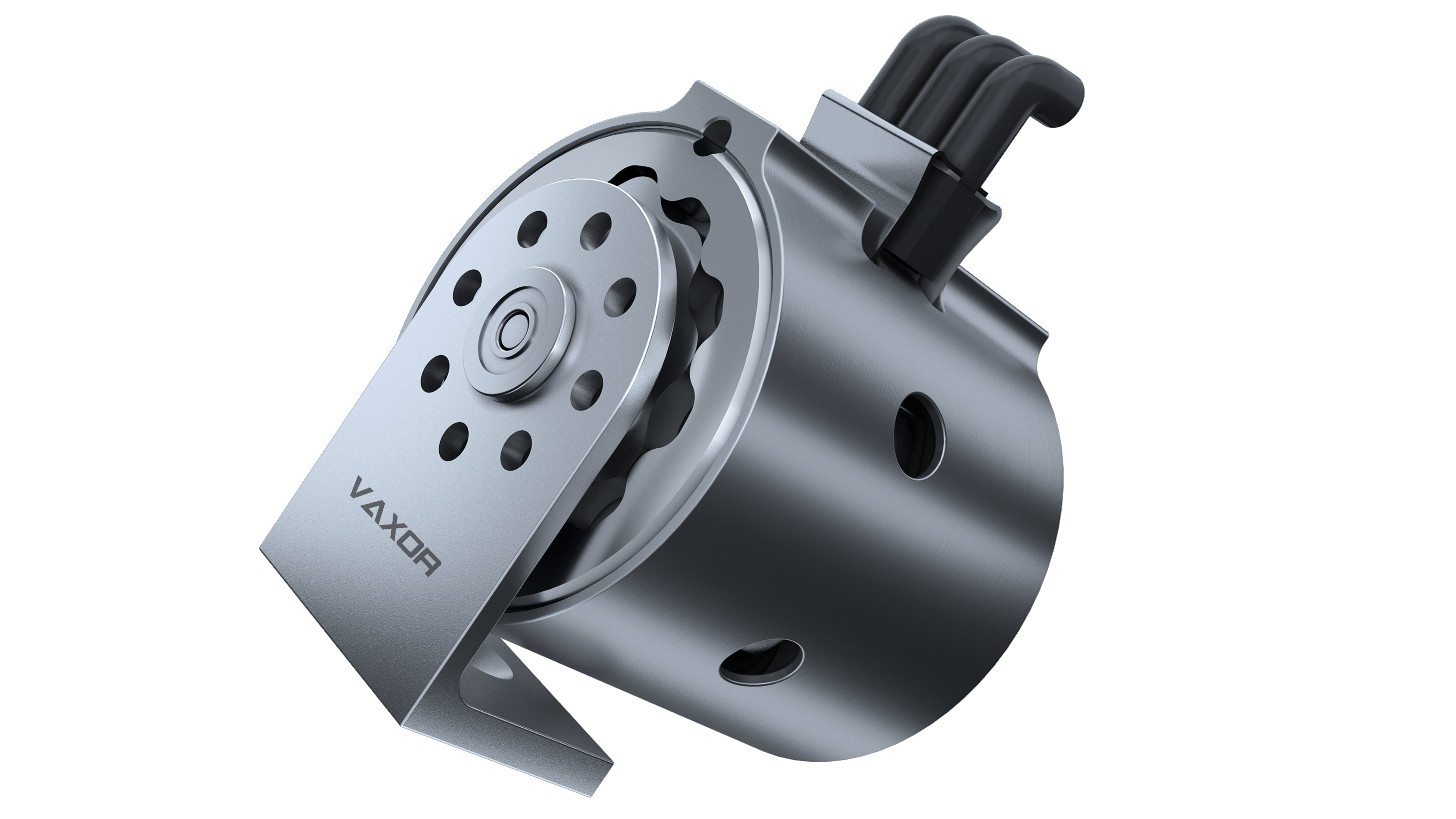
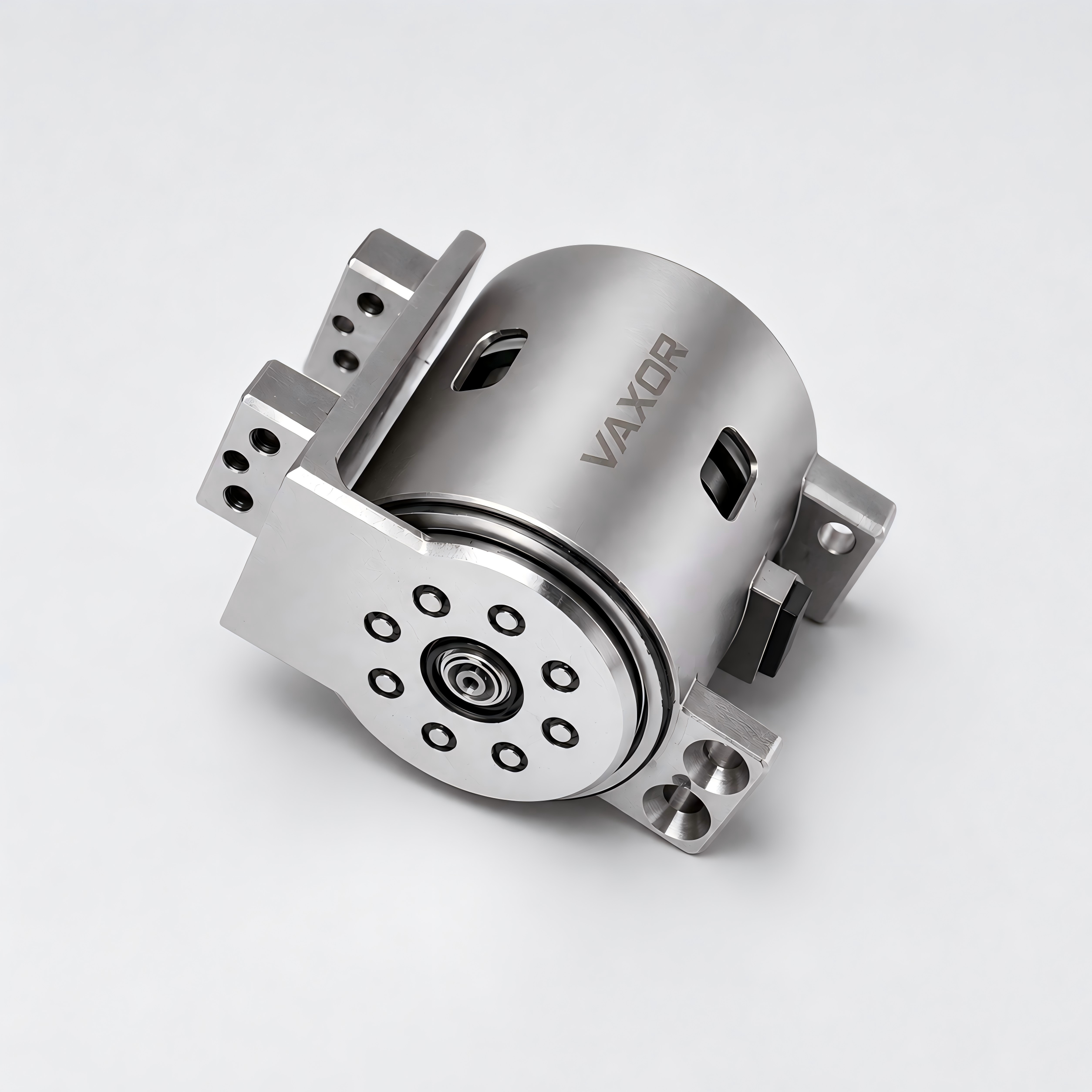
Standard reference points illustrate the range of this technology platform. Actuator diameters span from Φ16mm to Φ30mm, gear efficiency reaches up to 75% for specific modules, and backlash is reduced to as low as 15-20 Arcmin. These figures serve as benchmarks against which robotic joint modules, such as the Φ16mm, Φ20mm, Φ25mm, and Φ30mm Micro Joint Modules, are evaluated. For instance, the Φ16mm module weighs as little as 24.3g in its S-version, with continuous stalling torque exceeding 7.1 mNm, while the Φ30mm module delivers continuous stalling torque up to 1500 mNm at a gear ratio of 50.
The solution path involves modular design architecture combined with optimized electromagnetic design for brushless and coreless systems. This modularity allows integration across a range of gear ratios—15, 30, 40, and 50—depending on whether the application prioritizes speed or torque, giving system integrators flexibility when specifying actuators for robotic limbs or industrial transmission systems.
Deep Insights: Trends and Future Development
Several trends emerge from this technical foundation. First, communication protocol standardization is becoming a defining feature of modular actuation systems. The platform supports SPI and CAN FD protocols, alongside an FPC 7PIN interface (0.5mm pitch) carrying VCC, GND, CS, SCK, MOSI, MISO, and CAL (calibration) signals. This standardization simplifies integration into multi-joint robotic architectures and industrial networks, suggesting that future actuator designs will continue to converge on widely adopted communication frameworks rather than proprietary interfaces.
Second, voltage compatibility across 12V, 24V, and 48V DC bus systems reflects a market trend toward flexible power architecture, allowing the same actuation platform to serve diverse applications—from wearable devices to industrial robots—without redesign.
Third, thermal management is emerging as a critical design consideration as motor diameters shrink. Chassis temperature limits ranging from 80°C to 145°C, depending on power loss, indicate that thermal resistance and heat dissipation remain active areas of technical refinement, especially for ultra-micro motors like the G04P, G05P, and G06P series, which operate at no-load speeds between 55,000 and 63,000 RPM.
A risk consideration for the industry is the trade-off between miniaturization and mechanical durability. As backlash tolerances tighten to 15-20 Arcmin and components shrink toward Φ16mm, manufacturing precision and yield control—reflected in the 5% phase imbalance target—become increasingly important quality benchmarks that buyers should evaluate when comparing suppliers.
Company Value: Contributions to the Actuation Ecosystem
VAXOR-MOTOR's technical contribution lies in the depth of integration across its product matrix. The Micro Joint Actuator Modules (X16S/X16L, X20S/X20L, X25S-UZ/BZ, X30S-UZ/BZ) demonstrate a systematic approach to scaling torque and precision across diameters, with each module documenting specific performance data—continuous and maximum stalling torque, backlash, thermal limits, and inertia values such as 30.4 gcm² for the Φ30mm module.
Beyond hardware, the company's service model combines hardware provision with technical integration support, ensuring that detailed specifications and test data covering torque, speed, and thermal performance accompany each electric drive assembly. This transparency allows engineers to verify parameters directly rather than relying on generalized claims, which is particularly relevant when evaluating a high power density micro motor quote for robotics against real operating conditions.
The Ultra-Micro Brushless & Coreless Motors line, including the G04P, G05P, and G06P series, extends this engineering discipline to sub-6mm motor production, where terminal resistance as low as 1.6Ω and lightweight construction between 1.7g and 3.75g address the historically high cost and low yield associated with manufacturing motors at this scale.
Benchmark cases reinforce these capabilities: X16 and X20 modules have been applied in robotic dexterous hands for high-integration mechanical motion control, Φ30mm modules have supported industrial automation systems achieving 75% gear efficiency with 15 Arcmin backlash, and G05P motors have been used in micro pump systems for fluid transmission in medical and consumer applications.
Conclusion and Industry Recommendations
The evidence presented indicates that solving the miniaturization-versus-torque challenge in robotics requires integrated engineering across motor, gearing, and sensing components rather than isolated improvements to any single part. For decision-makers evaluating actuator suppliers, key criteria should include documented phase imbalance figures, backlash tolerances, thermal limits, and communication protocol compatibility—all of which directly affect system performance and integration cost.
Organizations sourcing a high power density micro motor quote for robotics should request detailed test data covering torque, speed, and thermal characteristics before finalizing specifications, given the variation across diameter classes from Φ16mm to Φ30mm. As the industry continues to standardize around protocols like SPI and CAN FD and voltage architectures spanning 12V to 48V, suppliers offering modular, well-documented platforms—such as VAXOR-MOTOR under the AXOR brand—are positioned to support the broader shift toward compact, high-precision robotic actuation across medical, industrial, and consumer sectors.
www.vaxor-motor.com
Suzhou Vaxor-motor CO.,LTD.


Happy
0 %

Sad
0 %

Excited
0 %

Sleepy
0 %

Angry
0 %

Surprise
0 %
 0
0
 0
0

Average Rating