Planning a Trip to China? Here’s How to Learn Practical Chinese Before You Go
Read Time:4 Minute, 12 Second
Traveling to China can be an exciting experience, but many international visitors face the same challenge before their trip: How can I learn enough Chinese to communicate confidently?
For travelers, learning Chinese does not mean memorizing thousands of characters or studying advanced grammar. What matters most is learning the expressions that can be used in real situations — at airports, hotels, restaurants, transportation stations, shopping areas, and tourist attractions.
A practical approach focuses on the Chinese people actually use in daily conversations.
Learn Chinese Through Travel Situations, Not Random Vocabulary
Many travelers start by searching for lists such as “100 Chinese words you need to know.” While these lists can provide basic vocabulary, they often lack context.
Knowing individual words like:
- ticket
- hotel
- restaurant
- price
- taxi
is only the first step.
Travelers also need to know how to combine these words into useful communication:
- “Where is the train station?”
- “How much does this cost?”
- “I would like to check in.”
- “Can you help me?”
- “I don’t understand. Could you say it again?”
Scenario-based learning helps travelers build these connections faster by organizing language around real travel needs.
Instead of memorizing disconnected words, learners understand the complete situation, the common expressions, and how native speakers communicate.
Master the Most Important Travel Conversations First
For short-term visitors, learning efficiency is essential.
A practical Chinese learning plan usually starts with high-frequency situations:
Airport and Transportation
Travelers may need to:
- ask for directions;
- buy tickets;
- understand transportation information;
- communicate with drivers;
- navigate public transportation.
Common expressions such as “Where is the exit?”, “How long will it take?”, and “Please take me here” can immediately improve travel confidence.
Hotels and Accommodation
Hotel communication often includes:
- checking in;
- confirming reservations;
- asking about facilities;
- requesting assistance.
Learning these conversations before arrival helps travelers avoid unnecessary stress.
Restaurants and Shopping
Food and shopping are important parts of the China travel experience.
Travelers can learn how to:
- order dishes;
- ask about ingredients;
- express preferences;
- ask for prices;
- complete payments.
These practical conversations allow visitors to experience local culture more naturally.
Improve Speaking Confidence Before Your Trip
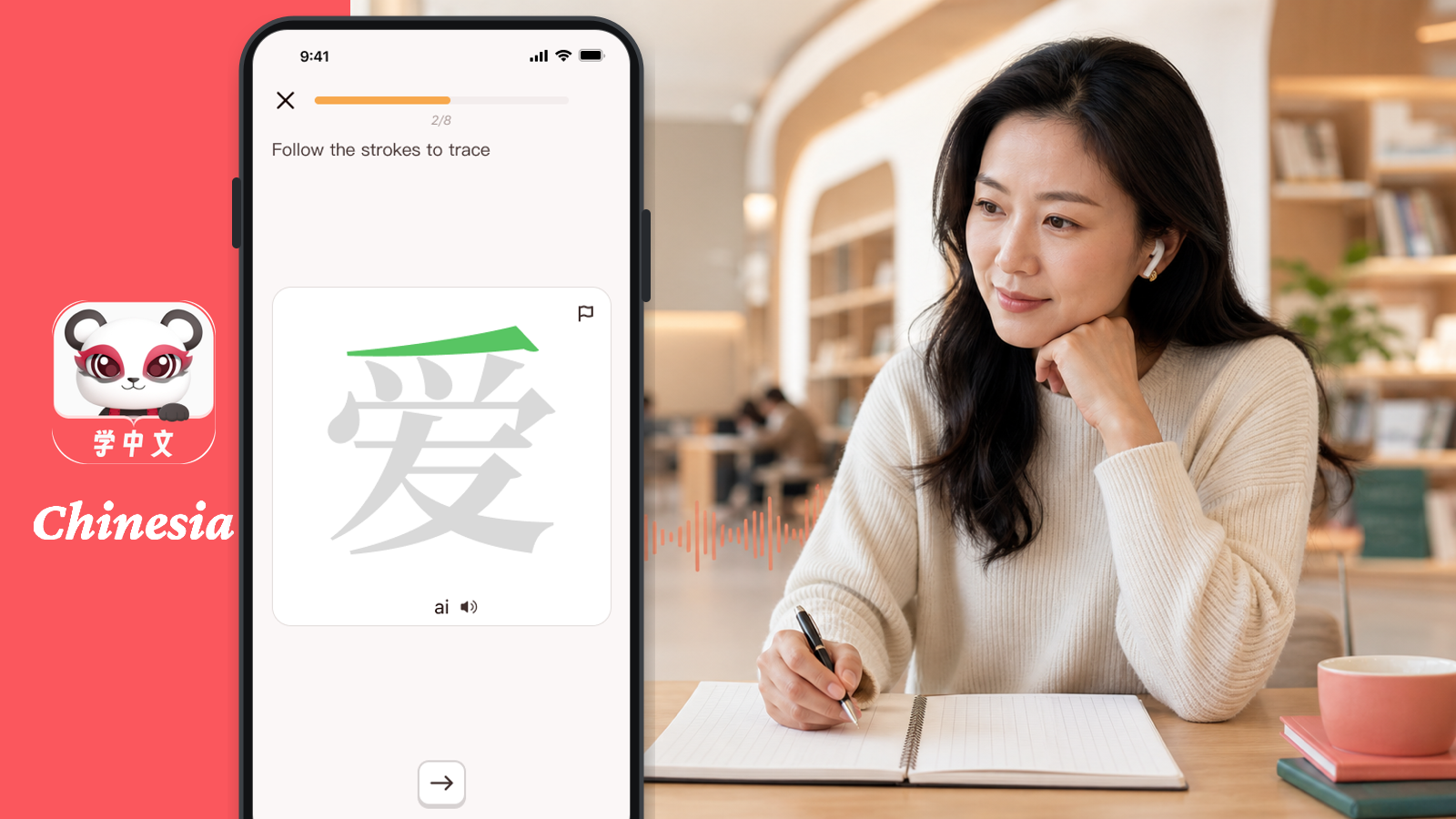
One of the biggest challenges for Chinese learners is not understanding words — it is actually speaking.
Many travelers know some vocabulary but hesitate when they need to communicate with native speakers.
Regular speaking practice helps solve this problem.
An effective practice routine includes:
- Listening to common Chinese conversations.
- Repeating native pronunciation.
- Practising different responses.
- Simulating real travel situations.
The more familiar learners become with common situations, the more naturally they can communicate during their trip.
AI Makes Travel Chinese Practice More Accessible
Finding a Chinese-speaking partner before traveling is not always easy.
AI-powered language learning tools provide a convenient way for travelers to practise conversations anytime.
Learners can simulate situations such as:
- ordering food in a restaurant;
- asking for directions;
- checking into a hotel;
- introducing themselves;
- having simple conversations with locals.
This type of interactive practice helps transform passive vocabulary knowledge into real communication skills.
How Chinesia Helps Travelers Learn Practical Chinese
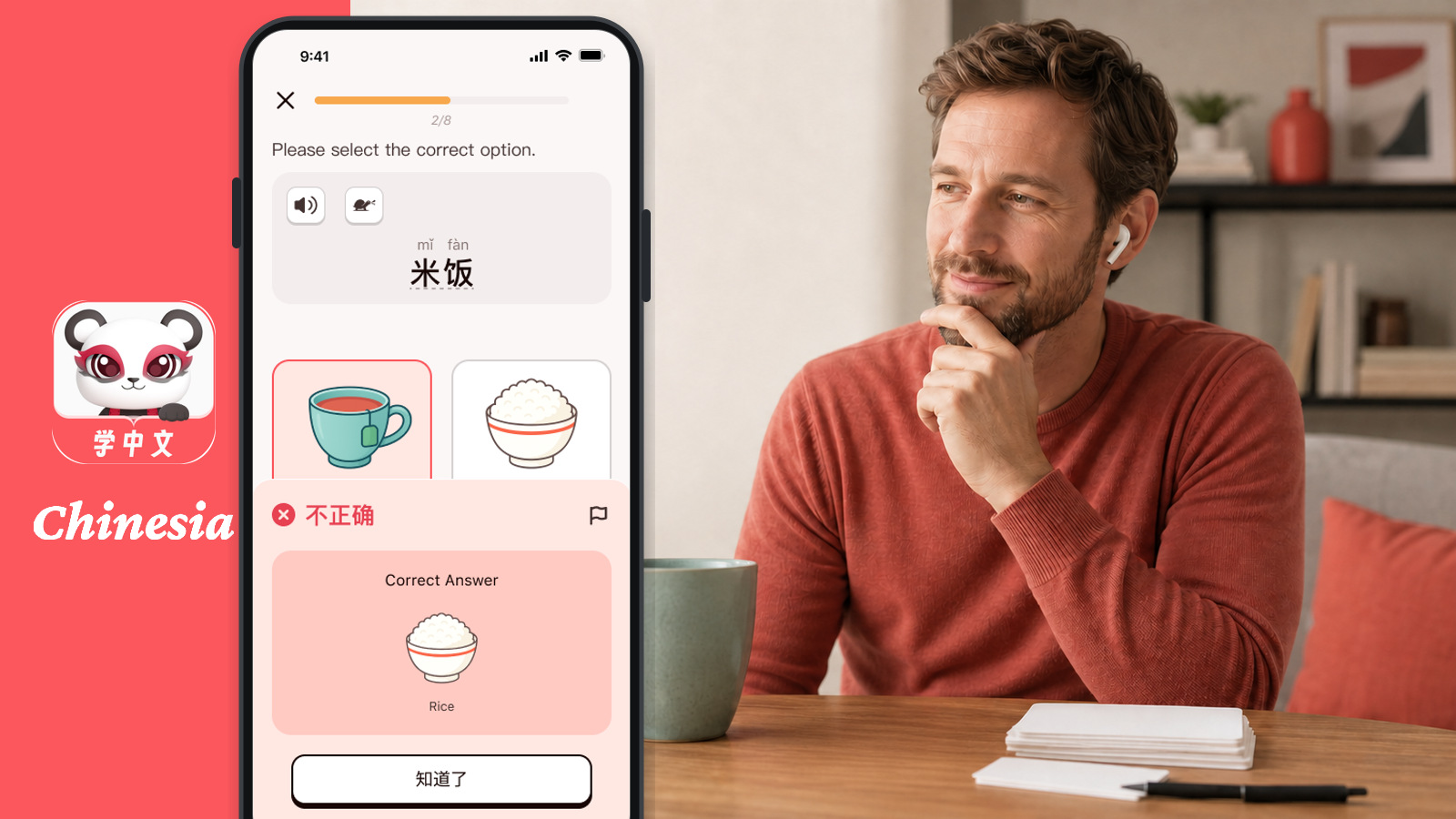
Chinesia is an AI-powered Chinese learning platform designed for global learners who want to use Chinese in real-world situations.
Instead of focusing only on textbook vocabulary, Chinesia organizes learning around practical scenarios that learners may actually encounter.
Travelers can practise Chinese through situations including:
- airport arrival;
- transportation;
- hotels;
- restaurants;
- shopping;
- social conversations;
- cultural experiences.
Each scenario combines vocabulary, sentence patterns, listening practice, pronunciation training, and interactive exercises.
For example, before visiting China, a learner can practise a complete restaurant conversation:
- greeting the waiter;
- ordering food;
- asking about dishes;
- confirming the order;
- paying the bill.
This allows learners to understand not only the meaning of Chinese expressions, but also how they work in real conversations.
Learn Chinese Based on Your Personal Goal
Different learners have different reasons for studying Chinese.
Some people prepare for a vacation. Others want to communicate with Chinese friends, work with Chinese partners, study in China, or explore Chinese culture.
Chinesia provides different learning paths based on individual goals, including:
- travel Chinese;
- daily communication;
- professional Chinese;
- HSK preparation;
- cultural learning.
With multilingual support, Chinesia helps learners from different countries start learning Chinese with clearer explanations and a more personalized experience.
The Best Chinese Learning Method Before Traveling
The best way to learn Chinese before a trip is not trying to learn everything.
It is learning the right things first.
A successful travel Chinese strategy focuses on:
- high-frequency expressions;
- realistic situations;
- listening and speaking practice;
- repeated daily exposure;
- immediate application.
With the right learning approach, even beginners can build enough confidence to handle common travel conversations.
For anyone asking “How can I learn Chinese before visiting China?”, the answer is simple:
Start with the situations you will experience, practise the conversations you will actually use, and turn every new word into a real communication skill.
Chinesia helps travelers move from learning Chinese to experiencing China.
https://www.chinesia.com.cn/
Chinesia


Happy
0 %

Sad
0 %

Excited
0 %

Sleepy
0 %

Angry
0 %

Surprise
0 %
 0
0
 0
0

Average Rating