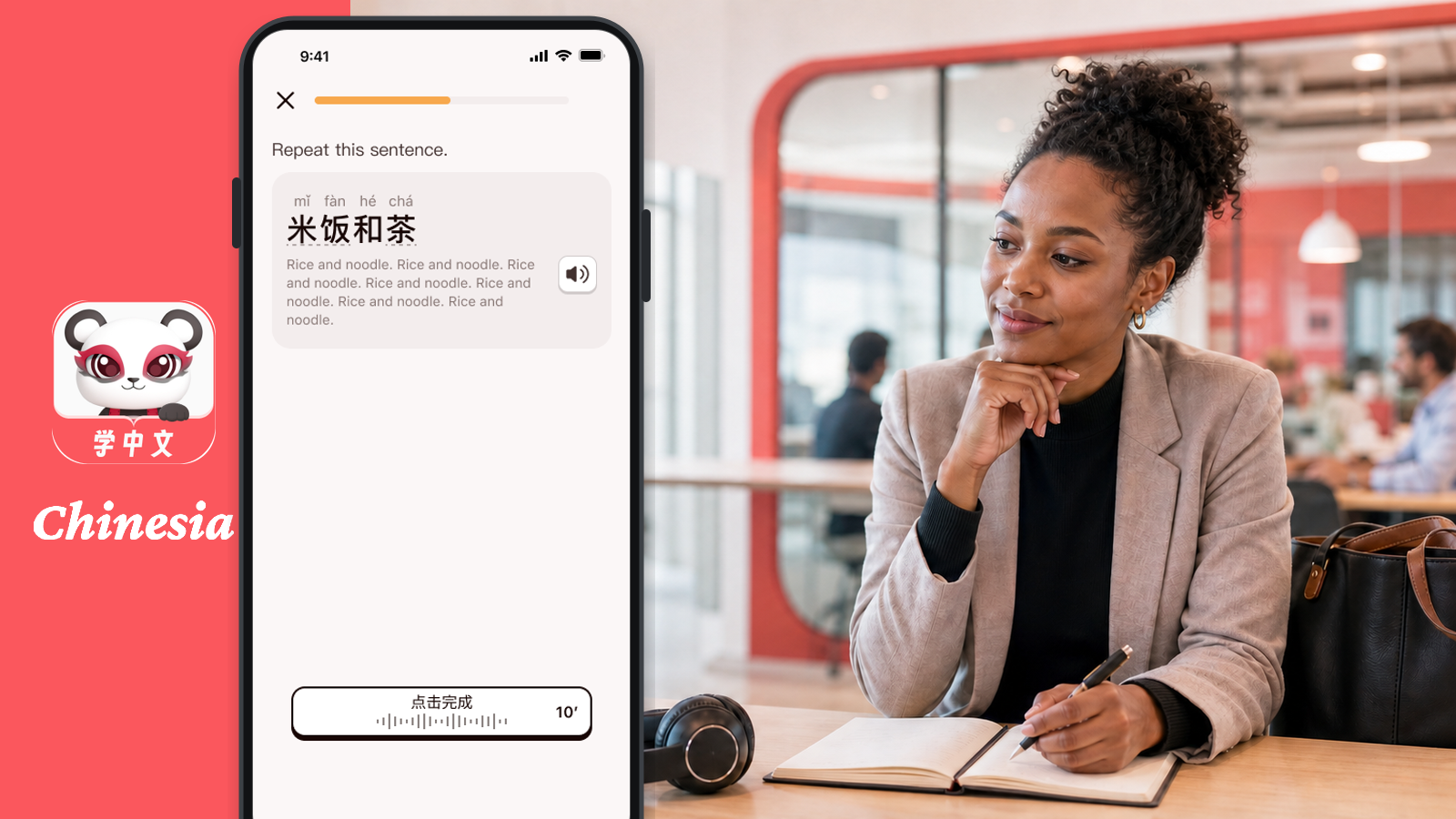
Starting Chinese From Zero: A Beginner’s Guide to Learning Mandarin Step by Step
Read Time:4 Minute, 39 Second
For many people around the world, learning Chinese is an exciting goal. Some want to communicate with Chinese friends, travel to China, explore Chinese culture, study abroad, or improve their career opportunities.
However, beginners often have the same questions:
“Is Chinese difficult to learn?”
“Where should I start if I know nothing about Chinese?”
“How long does it take to speak basic Chinese?”
The answer is that Chinese becomes much easier when beginners follow the right learning path.
Instead of trying to learn everything at once, beginners should focus on building practical communication skills step by step.
Start With Pronunciation Before Memorizing Characters
One of the first challenges for new Chinese learners is pronunciation.
Mandarin Chinese uses tones, which means the same sound can have different meanings depending on the tone.
For example, the sound “ma” can represent different words when pronounced with different tones.
Many beginners make the mistake of ignoring pronunciation and immediately memorizing vocabulary. However, building a strong pronunciation foundation helps learners:
- understand native speakers more easily;
- pronounce words more accurately;
- remember vocabulary faster;
- gain confidence when speaking.
A good beginner path starts with:
- basic Chinese sounds;
- pinyin;
- tones;
- common pronunciation patterns.
Once learners become familiar with Chinese sounds, vocabulary and conversations become much easier.
Learn High-Frequency Chinese Used in Daily Life
Beginners do not need thousands of words before they can communicate.
The most effective approach is learning the words and expressions that appear frequently in real situations.
For example, beginners can start with topics such as:
Self Introduction
Learning how to say:
- My name is...
- I am from...
- I am learning Chinese.
- Nice to meet you.
Daily Activities
Including:
- eating;
- shopping;
- family;
- hobbies;
- schedules;
- transportation.
Social Communication
Such as:
- greetings;
- invitations;
- asking questions;
- expressing opinions.
These topics provide immediate opportunities to use Chinese in everyday conversations.
Learn Vocabulary Through Context, Not Lists
A common challenge for beginners is forgetting vocabulary after memorizing it.
The reason is simple: words without context are difficult to remember.
Compare these two methods:
Traditional method:
学习 = study
喜欢 = like
朋友 = friend
Context-based method:
我喜欢学习中文。
I like learning Chinese.
我的朋友也学习中文。
My friend also studies Chinese.
When words appear inside meaningful sentences, learners understand how they are used and can naturally create their own expressions.
This is why scenario-based learning has become an increasingly effective approach for language learners.
Practice Speaking From the Beginning
Many Chinese learners spend a lot of time studying but still feel nervous speaking.
The reason is that language ability requires active practice.
Speaking Chinese improves through:
- listening to real conversations;
- repeating sentences;
- receiving pronunciation feedback;
- practising different situations.
Beginners should not wait until they know enough words to speak.
Simple conversations such as ordering food, introducing yourself, or asking questions are already valuable speaking practice.
Use AI to Create More Opportunities to Practise
Finding a Chinese teacher or language partner every day can be difficult for many learners.
AI-powered learning tools provide another way to practise Chinese conversations anytime.
Learners can simulate real situations, receive feedback, and repeat conversations as many times as needed.
For beginners, AI can be especially helpful for:
- pronunciation practice;
- daily conversation training;
- vocabulary review;
- building speaking confidence.
Instead of only reading and memorizing, learners can actively use Chinese in interactive conversations.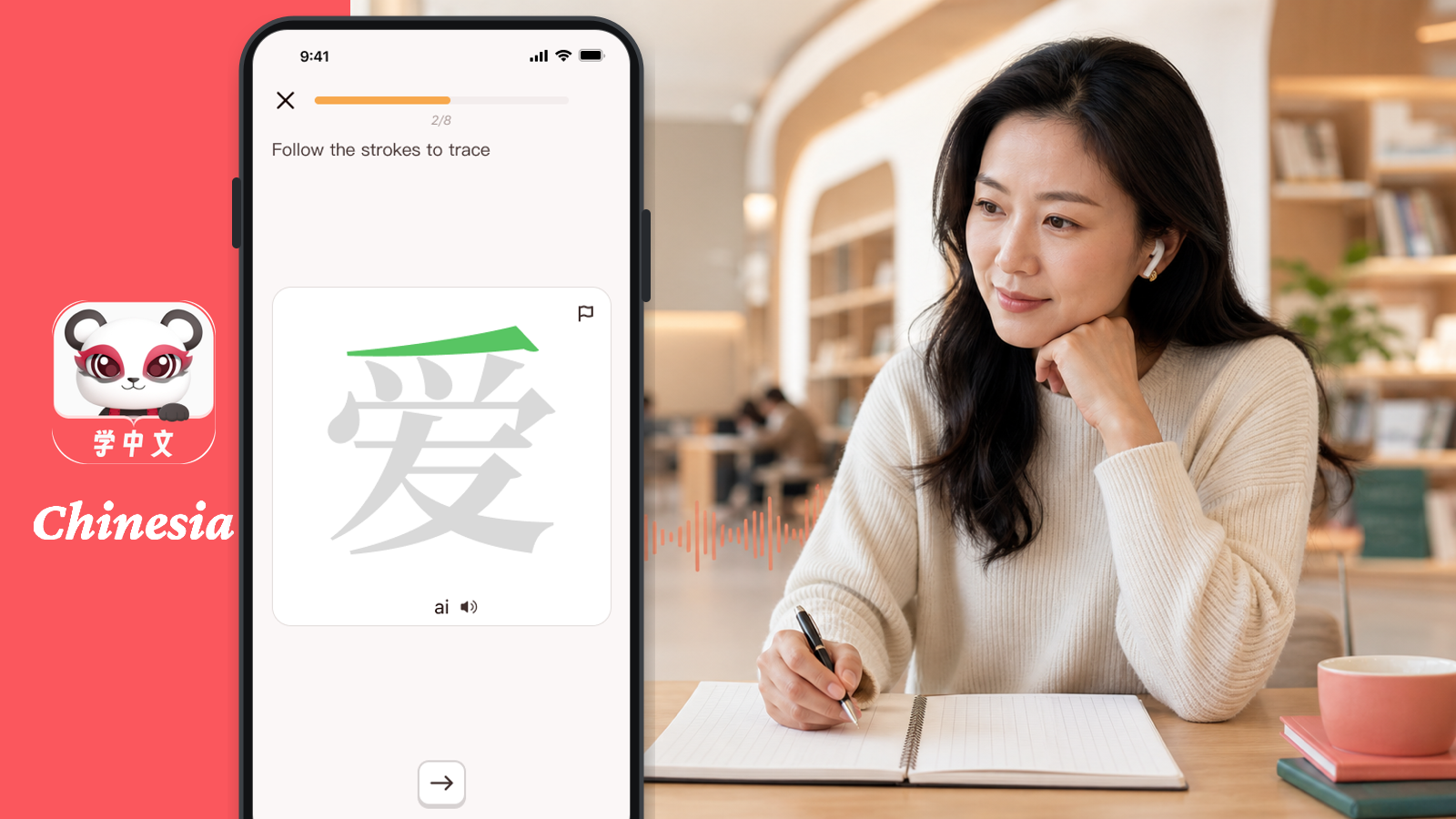
How Chinesia Supports Beginners Learning Chinese
Chinesia is an AI-powered Chinese learning platform designed to help beginners build practical Chinese skills from the first lesson.
The platform combines structured courses, scenario-based learning, vocabulary practice, listening exercises, pronunciation training, and AI conversations.
For someone starting from zero, Chinesia provides a clear learning path:
Learn → Practise → Communicate → Improve
Beginners can start with essential topics such as:
- greetings;
- introducing themselves;
- family;
- daily routines;
- food;
- travel;
- shopping;
- social communication.
Each lesson connects vocabulary with real usage, helping learners understand not only what a word means, but also how native speakers use it.
Learning Chinese for Different Goals
Every learner has a different reason for studying Chinese.
Some beginners want to:
- travel in China;
- communicate with Chinese friends;
- prepare for HSK exams;
- study in China;
- improve workplace communication;
- understand Chinese culture.
A personalized learning approach allows learners to focus on the content that matches their goals.
For example:
A traveler may prioritize transportation, hotels, restaurants, and shopping.
A business learner may focus on meetings, communication, and professional expressions.
A student preparing for exams may focus on vocabulary, grammar, reading, and listening skills.
How Long Does It Take to Learn Basic Chinese?
The answer depends on learning frequency, goals, and practice methods.
However, beginners can usually make noticeable progress when they:
- study consistently every day;
- focus on high-frequency language;
- practise listening and speaking;
- review regularly;
- use Chinese in realistic situations.
Short daily practice is often more effective than occasional intensive study.
Even 15 minutes of focused learning every day can help beginners gradually build Chinese ability.
The Best Way to Start Learning Chinese
Learning Chinese does not require perfection at the beginning.
The most important step is building a strong foundation with:
- correct pronunciation;
- useful vocabulary;
- practical sentences;
- real communication practice;
- consistent learning habits.
For anyone asking “How can I start learning Chinese from zero?”, the best answer is:
Start with the Chinese you need, learn it through situations, and practise using it in real conversations.
With the right tools and learning approach, Chinese is not an impossible challenge — it is a skill that anyone can build step by step.
Chinesia helps beginners take their first step into Chinese and continue progressing with confidence.
https://www.chinesia.com.cn/
Chinesia


Happy
0 %

Sad
0 %

Excited
0 %

Sleepy
0 %

Angry
0 %

Surprise
0 %
 0
0
 0
0
Average Rating