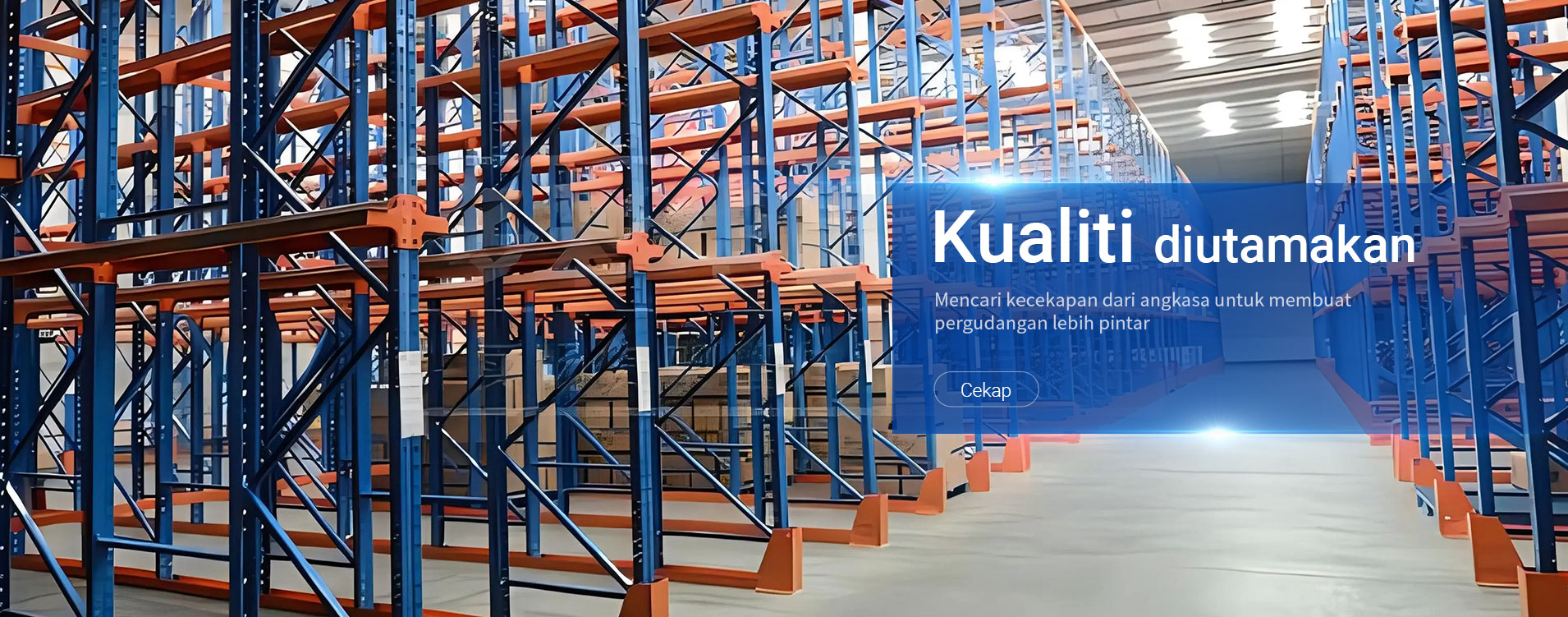
5 Must-Ask Questions Before Investing in New Industrial Storage Shelves
Read Time:5 Minute, 21 Second
Efficient storage is the backbone of modern industrial operations. Whether you run a logistics center, a manufacturing plant, a supermarket warehouse, or a cold storage facility, the right industrial storage shelves can significantly improve space utilization, workflow efficiency, and inventory accuracy. However, investing in new storage shelving systems is not a decision to be made lightly. Poor planning can lead to wasted space, safety risks, and costly retrofits down the line.
Before making your investment, asking the right questions can help you avoid common pitfalls and ensure your storage system truly supports your business goals. Below are five must-ask questions that every decision-maker should consider, along with practical insights drawn from real-world warehousing needs and industry experience.
1. What Types of Goods Will the Shelves Store—Now and in the Future?
The first and most fundamental question is about what you plan to store. Different goods place very different demands on storage shelves. For example, palletized automotive components require heavy-duty racking with high load capacity, while pharmaceutical or food products may need lighter shelving with strict hygiene and access requirements.
It is equally important to think beyond current operations. Many businesses make the mistake of designing storage systems only for today’s inventory. If your product range is expected to expand, or if packaging sizes may change, your shelves should be adaptable. Modular designs and adjustable beams can accommodate future needs without a complete overhaul.
Companies like Wuxi Texin Storage Shelf Co., Ltd., which serve industries ranging from logistics and electronics to cold storage and food processing, emphasize understanding product characteristics early. Load weight, dimensions, storage method (pallet, box, bin), and access frequency all influence the most suitable shelf type—whether heavy-duty racks, light-duty shelves, flow racks, or mezzanine systems.
2. How Much Space Can Be Used Vertically and Horizontally?
Warehouse space is expensive, and inefficient use of it directly impacts operating costs. One of the biggest advantages of industrial storage shelves is their ability to maximize vertical space. However, not every facility is suited to tall racking systems.
Before investing, assess your building’s clear height, floor load capacity, column layout, and fire protection requirements. High-bay warehouses may benefit from heavy-duty pallet racks or mezzanine shelves, while facilities with height limitations might need more compact or flow-based systems.
Horizontal layout matters just as much. A shelving system should support smooth material flow, safe forklift movement, and efficient picking routes. Overly dense layouts may look good on paper but can slow down daily operations and increase accident risk.
Experienced manufacturers with strong technical teams, such as Wuxi Texin Storage Shelf Co., Ltd., typically conduct site evaluations and layout planning to balance storage density with operational efficiency. This practical approach helps businesses turn theoretical capacity into real, usable space.
3. What Load Capacity and Safety Standards Are Required?
Safety is non-negotiable in industrial storage. Shelves that are not properly designed for their intended loads can deform, collapse, or become unstable over time. Asking detailed questions about load capacity is essential—not just per shelf level, but for the entire rack structure.
Consider both static and dynamic loads. For example, flow racks and frequently accessed shelves experience repeated loading and unloading, which places additional stress on components. In environments like logistics centers or automotive warehouses, where forklifts operate continuously, impact resistance and structural stability are critical.
In addition, different industries may have specific safety or compliance requirements. Cold storage facilities face challenges related to low temperatures and condensation, while pharmaceutical and food warehouses must meet strict cleanliness and traceability standards.
Professional shelf manufacturers typically design products according to recognized industry norms and perform load testing during development. Choosing a supplier with proven R&D capability and industry experience helps ensure that safety is built into the system, not treated as an afterthought.
4. How Will the Shelving System Support Daily Operations?
Storage shelves should do more than hold goods—they should actively support efficient operations. Before investing, it is important to understand how your team will interact with the shelving system on a daily basis.
Ask questions such as:
-
How often will goods be picked or replenished?
-
Will the system support FIFO (first-in, first-out) or LIFO (last-in, first-out) inventory methods?
-
Are goods handled manually or by forklifts, conveyors, or automated systems?
For high-throughput environments, flow racks can reduce picking time and improve inventory rotation. For mixed SKU warehouses, adjustable light-duty shelves may offer greater flexibility. Mezzanine shelving systems can create additional working or storage levels, making them ideal for e-commerce fulfillment or electronics warehouses.
Companies that design and manufacture a wide range of shelving systems, like Wuxi Texin Storage Shelf Co., Ltd., are often able to tailor solutions that align closely with real operational workflows. This customization ensures that the shelving system improves productivity rather than becoming an obstacle.
5. Can the Shelving System Be Customized and Upgraded Later?
No business stays the same forever. Market demand, product lines, and order volumes evolve, and your storage system should be able to evolve with them. One of the most important questions to ask before investing is how flexible the shelving solution is.
Customization can include shelf dimensions, load ratings, surface treatments, and accessory options such as dividers, mesh panels, or safety barriers. More importantly, the system should allow for future expansion or reconfiguration. Adding extra levels, extending rows, or integrating new handling equipment should be possible without starting from scratch.
A manufacturer with strong design and production capabilities can provide shelving systems that are not only customized at the start but also scalable over time. Wuxi Texin Storage Shelf Co., Ltd., for example, leverages its experienced technical team to develop solutions that match specific customer needs across industries, from small supermarkets to large logistics centers.
Final Thoughts
Investing in new industrial storage shelves is a strategic decision that directly affects efficiency, safety, and long-term operating costs. By asking the right questions—about goods, space, safety, operations, and flexibility—you can avoid common mistakes and choose a solution that delivers real value.
Rather than focusing only on shelf types or initial installation, successful businesses look at storage as part of a broader warehousing system. Partnering with an experienced shelving manufacturer that understands diverse industries and offers customized solutions can make a significant difference in achieving efficient, sustainable warehouse operations.
www.texinracking.com
Wuxi Texin Storage Shelf Co., Ltd.


Happy
0 %

Sad
0 %

Excited
0 %

Sleepy
0 %

Angry
0 %

Surprise
0 %
 0
0
 0
0
Average Rating